Jump to:
Introduction
Looking to build a stronger, more defined chest in just 20 minutes? Even with a busy schedule, you can achieve a highly effective workout using the right techniques. This quick routine combines compound exercises, supersets, and time under tension to maximize results. Whether you’re at home or in the gym, this plan requires minimal equipment and delivers big gains. Ready to discover how to target your chest efficiently? Let’s get started!
Key Benefits of a 20-Minute Chest Workout
- Time-efficient: Perfect for those with limited time while still packing an effective punch.
- Minimal equipment required: Can be performed at home or in the gym with basic tools.
- Improves strength and endurance: Increases muscle definition and chest strength.
- Boosts metabolism: Intense movements help burn calories and build lean muscle.
Key Principles for Maximizing a Short Workout
Focus on Compound Movements
Compound exercises work multiple muscle groups at once, helping you engage the chest, shoulders, triceps, and even core muscles in one movement. This maximizes efficiency, helping you make the most of a short workout.
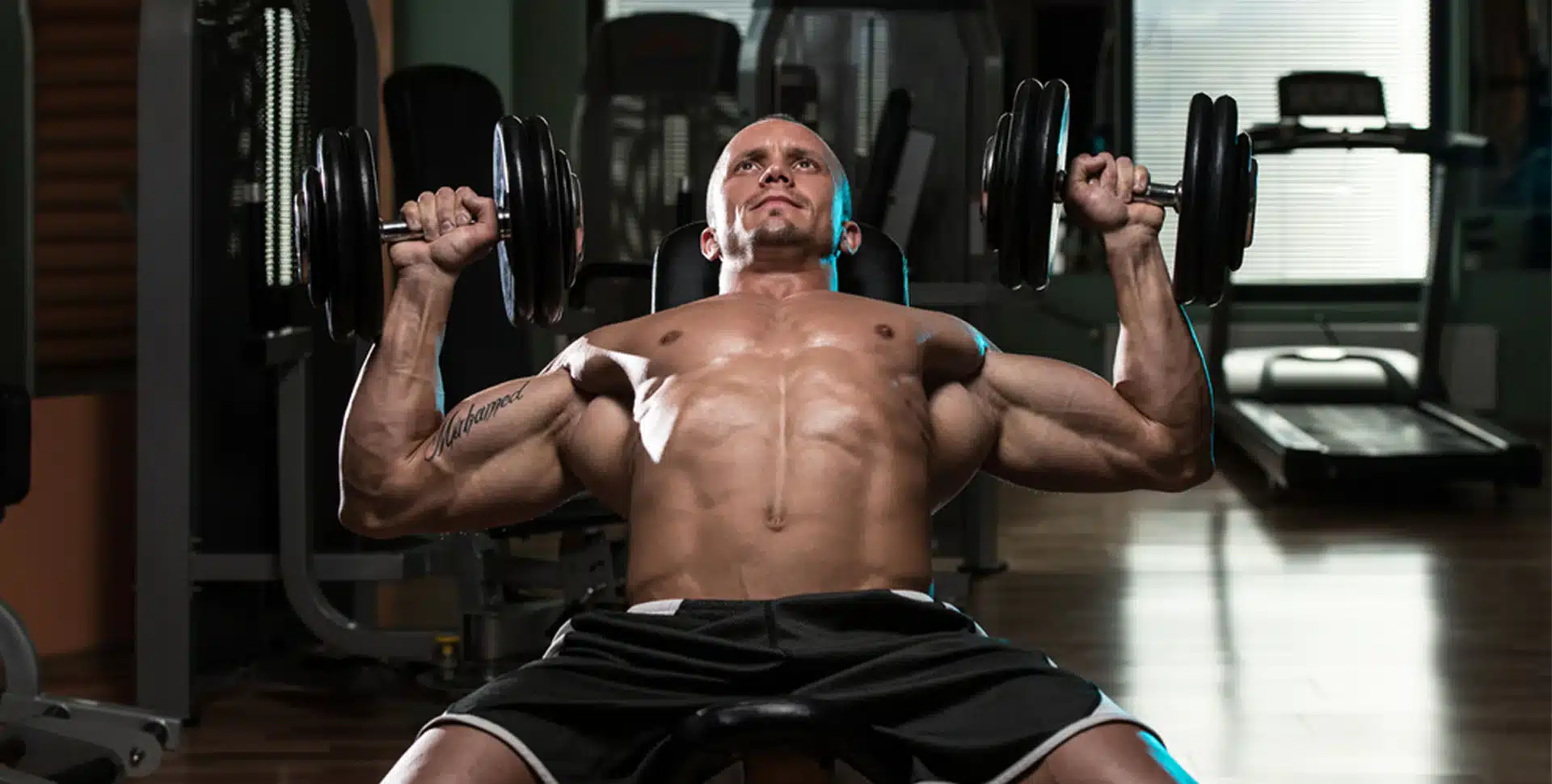
Examples include the bench press or push-ups, both of which activate the entire chest and supporting muscles, leading to better results in less time.
Utilize Supersets and Drop Sets
Supersets involve performing two exercises back-to-back without rest, saving time and increasing intensity. This method not only allows you to engage more muscles but also boosts the cardiovascular demand of the workout.
For example, pairing a bench press with push-ups in a superset helps fatigue the chest muscles while maximizing time. Drop sets, where you reduce the weight after reaching muscle failure, are another excellent way to push your limits in a short session.
Time Under Tension (TUT)
One key technique for getting the most out of your workout in a limited time is time under tension. By controlling the tempo of each rep—especially during the eccentric (lowering) phase—you keep the muscles activated longer, leading to more growth with fewer reps.
Focus on slowing down the lowering phase of exercises like dumbbell flyes to make every second count.
Progressive Overload in Limited Time
Progressive overload is crucial even in a short workout. This involves gradually increasing the challenge by adding weight, performing more reps, or reducing rest times over time. This ensures that your muscles continue to adapt and grow despite the brief duration of the session.
Equipment Needed for the Workout
Minimal Equipment
This workout can be done with basic equipment, whether you’re at home or in a gym. Here’s what you’ll need:
- A pair of dumbbells or a barbell: Choose a weight that challenges you but allows you to maintain proper form.
- A bench or stable surface: For incline/decline variations or to increase the difficulty of exercises.
- Optional resistance bands: Perfect for added resistance or if you don’t have weights available.
- Weighted vest (optional): Great for adding extra difficulty to bodyweight exercises like push-ups.
The 20-Minute Chest Workout Plan
Warm-Up (2-3 minutes)
A good warm-up is crucial to activate the chest, shoulders, and triceps, and reduce the risk of injury. Use dynamic movements to get the blood flowing.
- Arm circles: 30 seconds forward and backward.
- Resistance band pull-aparts: 15-20 reps to engage the upper body.
- Chest openers: 15 reps to stretch the chest muscles.
Exercise 1: Bench Press or Dumbbell Press (4 minutes)
The bench press is the staple chest-building movement that targets the entire chest. If you’re at home, use dumbbells or push-up variations.
- Set 1: Warm-up set with a lighter weight, 12 reps.
- Sets 2-4: Perform 10-12 reps with a challenging weight. Rest for 45-60 seconds between sets.
- Home alternative: Perform weighted push-ups or standard push-ups.
Exercise 2: Superset – Dumbbell Flyes + Push-ups (6 minutes)
This superset targets both the stretch and contraction of the chest muscles. The combination of flyes and push-ups helps engage the chest from multiple angles.
- Dumbbell Flyes: Perform 3 sets of 10-12 reps. Focus on the eccentric phase by lowering the dumbbells slowly (3-4 seconds).
- Push-ups: After each set of flyes, immediately perform as many push-ups as you can. You can use standard, incline, or decline variations depending on your fitness level.
- Rest for 30-60 seconds between supersets.
Exercise 3: Incline Dumbbell Press (4 minutes)
The incline dumbbell press is key for developing the upper chest, an often-neglected part of the muscle. This exercise helps create a balanced, full chest appearance.
- 3 sets of 10-12 reps.
- Focus on a controlled movement, making sure to squeeze your chest at the top of each rep.
- Alternative for home workouts: Use a resistance band incline press if you don’t have access to a bench.
Exercise 4: Finisher – Plyometric Push-ups or Time Under Tension Push-ups (3 minutes)
The finisher aims to exhaust the chest muscles and activate fast-twitch muscle fibers, enhancing explosive power and endurance.
- Plyometric Push-ups: Perform 3 sets of 10. Push yourself up explosively so your hands leave the ground.
- Time Under Tension Push-ups: If plyometric push-ups are too advanced, do slow push-ups with a 5-6 second lowering phase and a 3-second hold at the bottom for 10 reps.
Cool-Down and Stretching (2-3 minutes)
Cooling down is just as important as the workout itself to prevent soreness and aid in recovery. Stretch the chest muscles and release any tension that has built up during the workout.
- Standing chest stretch: Hold for 20-30 seconds.
- Doorway stretch: Step into a doorway, placing your arms at a 90-degree angle and leaning forward to stretch the chest.
- Foam rolling (optional): Use a foam roller on the chest and shoulders for added muscle relief.
Little-Known Tips for Chest Workout Efficiency
Breathing Techniques
Exhale on the exertion phase of each movement. For example, when you push the weights up during the bench press or push-up, exhale. This technique boosts muscle activation.
Mind-Muscle Connection
Focus on actively engaging your chest muscles during each rep. Visualizing the contraction helps enhance muscle recruitment, especially during isolation exercises like dumbbell flyes.
Hand Positioning for Push-Ups
Changing your hand placement can alter the focus of push-ups. A wider hand position targets the outer chest, while a narrower stance focuses on the inner chest and triceps.
Active Rest
To prevent muscle stiffness and keep blood flowing, perform light dynamic stretches or shoulder rotations during rest periods instead of standing still.
Modifications for Different Fitness Levels
Beginners
- Focus on bodyweight movements like standard or incline push-ups.
- Use lighter weights and concentrate on slow, controlled movements to develop proper form.
Advanced
- Increase the challenge by wearing a weighted vest or using heavier weights.
- Incorporate explosive movements like clapping push-ups or perform resistance band presses with reduced rest time between sets.
Conclusion
A 20-minute chest workout can still be highly effective if you focus on intensity, proper form, and progressive overload. Consistency is key, so aim to incorporate this workout into your routine 2-3 times a week. Combined with a balanced upper body routine and protein-rich diet, this will help you build chest strength, endurance, and muscle definition.