Al Roker has faced more than his fair share of medical challenges over the decades, but his 2020 prostate cancer diagnosis stands out as particularly transformative.
In an exclusive conversation with PEOPLE, Today show’s beloved weatherman opened up about surviving cancer and how walking became his unexpected path to recovery.
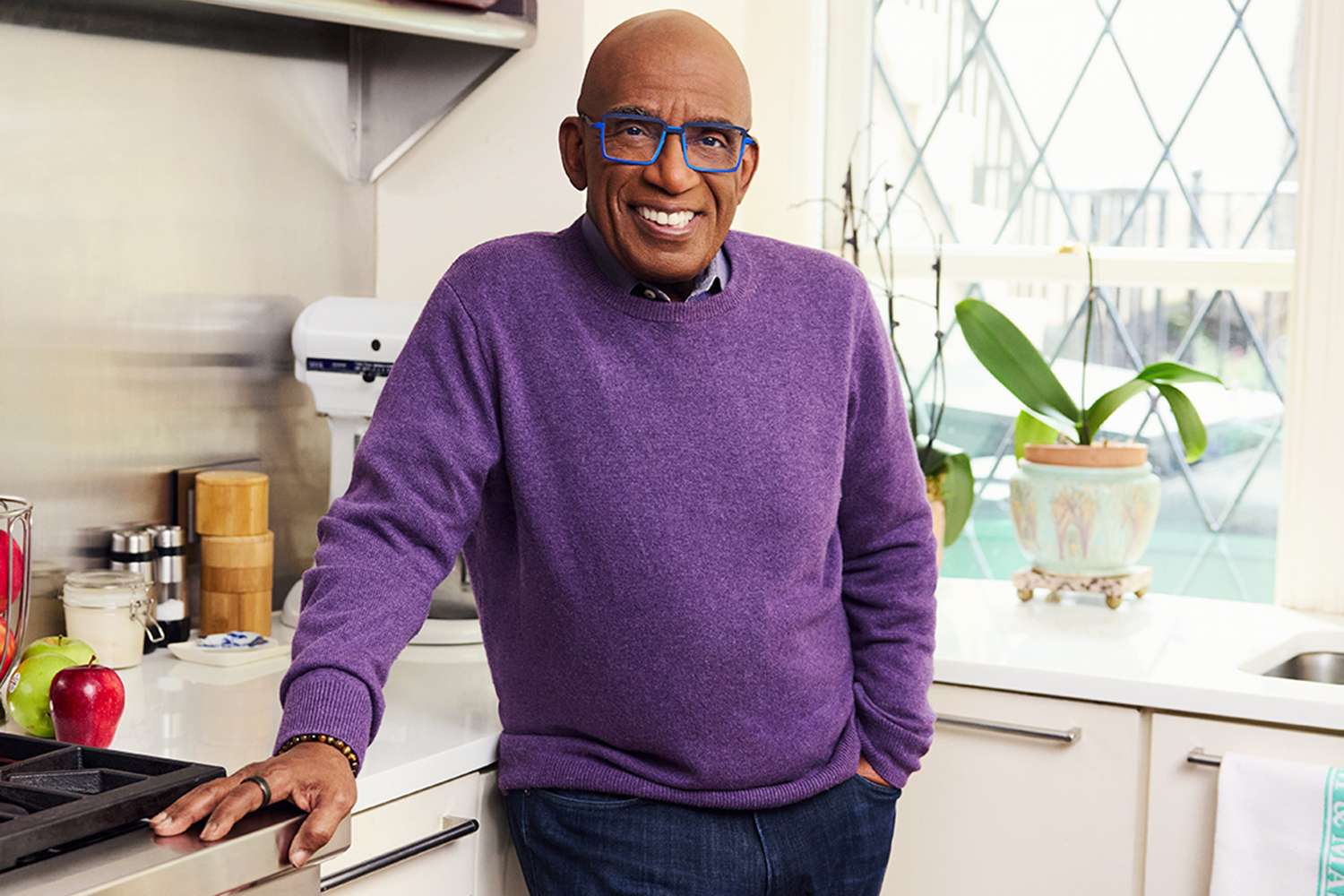
Roker’s journey offers crucial lessons about early detection, resilience, and turning personal struggles into public advocacy—especially for men of color who face disproportionately higher risks.
What made his experience even more challenging? He went to that first appointment alone.
Jump to:
- The Diagnosis That Changed Everything
- Why African-American Men Face Higher Prostate Cancer Risks
- Plotting The Treatment Path With His Wife By His Side
- Recovery Through Walking: From Catheter to Central Park
- From Cancer Patient to Chief Motivation Officer
- Cancer-Free and Counting His Blessings (Carefully)
- A History of Health Challenges
- The Power of Early Detection
The Diagnosis That Changed Everything
Roker discovered his cancer during what should have been routine bloodwork in September 2020. Due to pandemic disruptions, he hadn’t seen his doctor for roughly 18 months—a delay that could have proven disastrous.
His blood tests revealed elevated prostate-specific antigen (PSA) levels that continued climbing. A subsequent biopsy confirmed what every patient dreads hearing: cancer.
Prostate is one word, but the emphasis is on cancer. You hear the word ‘cancer’ and your mind kind of fritzes out. And that’s one of the things I did learn: You really do need to have somebody else in the room with you.
His wife, award-winning journalist Deborah Roberts, had wanted to accompany him to the appointment. Roker insisted she didn’t need to come, assuming it wouldn’t be “a big deal.”
That decision haunted him immediately.
Because actually, my first thought as [my doctor] was talking — I wasn’t really listening to him, I was thinking, ‘Gosh, Deborah’s just going to kill me because she wanted to be here and she wasn’t here.’
Why African-American Men Face Higher Prostate Cancer Risks
Roker immediately recognized his platform could save lives. His decision to speak publicly about his diagnosis wasn’t just personal—it was purposeful.
The statistics are sobering:
- African-American men are twice as likely to develop prostate cancer compared to other demographics
- They’re more than twice as likely to die from the disease if not diagnosed early
- Early detection dramatically improves survival rates
This is a disease that obviously affects men, but men of color — especially if you’re African-American — you’re twice as likely to get it, and you’re more than twice than likely to die from it if you’re not diagnosed. So I thought maybe we can do some good here.
Roker also addressed the stigma many men feel about prostate cancer diagnoses and treatment.
If you’ve got a bully pulpit, why not use it? And with men in general, I think there’s a bit of a stigma about [prostate cancer]. Is it maybe a little embarrassing or sensitive? Perhaps, but there are any number of things I would rather die from than embarrassment.
Plotting The Treatment Path With His Wife By His Side
After his initial diagnosis, Roberts attended every single appointment. Her journalistic instincts proved invaluable during consultation after consultation.
[Deborah’s] very good. I mean, look, that’s what she does. She’s a journalist. So she asks all the questions and the follow-ups.
Together, they met with numerous specialists to explore treatment options. After careful consideration, Roker chose surgical intervention to remove his prostate.
Dr. Vincent Laudone at Memorial Sloan Kettering performed the procedure in November 2020.
Recovery Through Walking: From Catheter to Central Park
Roker’s recovery proved remarkably straightforward—something he attributes to excellent surgical care and his baseline fitness level.
It’s a relatively straightforward surgery. I think they kept me overnight just to make sure I didn’t have any complications. But [then] you get up, and physical therapy folks come in.
His doctor prescribed an ambitious post-operative regimen: five miles of walking daily by the end of his first week home.
The weatherman took those instructions seriously. Catheter bag strapped to his leg—the “hardest part” of recovery—Roker walked around Central Park daily.
True to form, he couldn’t resist injecting humor into even this difficult period, recalling a favorite Rodney Dangerfield bit about a doctor ordering five miles of daily walking:
So at the end of the week, I called him, he said, ‘How you doing? Where are you?’ I said, ‘I’m doing pretty good, but I’m 35 miles from home.’
Roker returned to Today just two weeks after surgery.
From Cancer Patient to Chief Motivation Officer
Walking didn’t just aid Roker’s cancer recovery—it transformed his entire approach to wellness.
The bonus was that it kind of jump-started me to try to get back in shape. Walking became, in a sense, my therapy, because I had done it before. In fact, in 2010, I ran the New York City Marathon.
He quickly added with characteristic self-deprecation: “Well, ran is a relative term, but I did the New York City Marathon.”
His doctor emphasized something crucial: fitness levels significantly impact recovery outcomes, especially as patients age.
What started as personal rehabilitation evolved into public inspiration. Roker began sharing his walking journey online, and people responded enthusiastically.
That organic engagement eventually led to his role as “Chief Motivation Officer” for Start Today, the Today show’s fitness franchise.
The great thing about walking is that other than a pair of sneakers, it takes no equipment whatsoever. And everybody can do it. And you can do it at your own pace, you can do it as a group, you can do it by yourself.
Five years later, Start Today has expanded into a comprehensive wellness app featuring trainers, nutritionists, and wellness experts.
Cancer-Free and Counting His Blessings (Carefully)
Roker was declared cancer-free in May 2021, six months after his surgery. For the first few years, he monitored his PSA levels every six months.
Now, five years post-diagnosis, he’s transitioned to annual checkups.
When discussing his positive outcome, Roker chooses his words thoughtfully:
I’ve been very fortunate. I try not to use the word blessed, because while I do like to think that, to me the flip side of that is, well, people who don’t have a good outcome weren’t blessed, and I don’t believe that. So I like to just say I’m fortunate. I was fortunate that I’ve always been relatively resilient coming out of these issues.
A History of Health Challenges
Roker jokes that by his calculations, he’s averaged “some sort of surgery every three and a half years or so” since 1979. Sitting in PEOPLE’s studio after that morning’s Today broadcast, he quipped that he’s “just about due” for another procedure.
His medical history includes:
- Knee replacement approximately 25 years ago
- Second knee replacement and revision of the initial knee
- Gastric bypass surgery in 2002
- Hospitalization in 2022 for blood clots in his leg and lungs
- Emergency surgery in 2022 to remove his gallbladder and resect his colon
That said, I’ve kind of bounced back pretty quickly. But in the back of your mind, you’re like, ‘Well, is this the one time you don’t?’
The Power of Early Detection
Roker’s story underscores a vital message: routine health screenings save lives.
His cancer was caught because of bloodwork during a delayed annual checkup. Without that PSA test, his outcome could have been dramatically different.
For men, particularly African-American men over 50, regular prostate cancer screenings aren’t optional—they’re essential.
Roker’s willingness to discuss his diagnosis publicly, despite any embarrassment or stigma, has likely inspired countless men to schedule their own appointments.
Five years later, he continues walking, advocating, and proving that cancer survivorship isn’t just about beating the disease—it’s about thriving afterward.