Heart disease remains one of medicine’s most stubborn challenges, yet the answer might be simpler than anyone thinks.
After more than a decade of clinical practice, one physician discovered that restrictive diets often fail—not because they don’t work, but because patients can’t maintain them long-term.
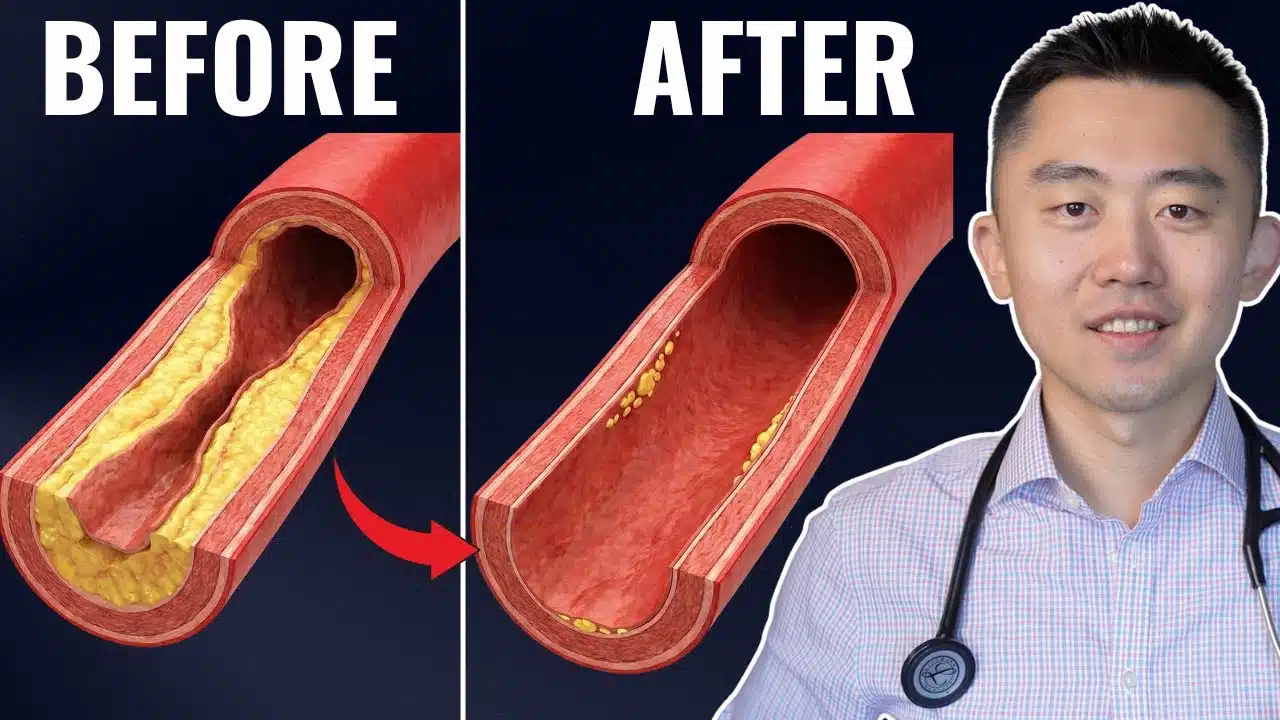
The solution? Stop chasing perfection and start focusing on high-yield foods that consistently appear across cardiovascular research.
What follows is a science-backed roadmap to reversing arterial plaque through sustainable nutrition, strategic exercise, and evidence-based supplementation.
Jump to:
- Why Most Heart-Healthy Diets Fail
- Understanding How Arterial Plaque Actually Forms
- Lycopene-Rich Foods: Powerful Antioxidant Protection
- Phytosterols: Nature’s Cholesterol Blocker
- Flavonoids: Making Arteries Less Sticky
- Extra Virgin Olive Oil: The Mediterranean Secret
- Fatty Fish: Omega-3s For Plaque Stabilization
- Foods Marketed As Heart-Healthy That Aren’t
- Exercise That Actually Reverses Plaque
- Aged Garlic Extract: A Supplement With Real Evidence
- Sauna Therapy: An Unexpected Cardiovascular Tool
- Building Your Sustainable Heart-Health Strategy
Why Most Heart-Healthy Diets Fail
Ask ten people about heart-healthy eating, and you’ll receive ten different answers—keto, carnivore, vegan, Mediterranean, DASH, paleo. Each diet has passionate advocates and compelling research.
But there’s a fundamental problem with this approach.
Following a nutrition plan that’s only 70% good, but one that we can do for the rest of our lives is much better than something that’s 100%, but we can only stick to it for 6 months.
This insight from a practicing physician shifts everything. Instead of prescribing rigid dietary protocols, the focus moves toward identifying foods with consistent cardiovascular benefits across multiple studies and meta-analyses.
These foods can be incorporated into virtually any eating pattern, making long-term adherence realistic rather than aspirational.
Understanding How Arterial Plaque Actually Forms
Plaque buildup isn’t caused by a single factor like cholesterol or blood pressure alone. It develops through a complex cascade of events.
First, endothelial damage occurs—injury to the thin cellular layer lining blood vessels. LDL particles containing apolipoprotein B (apo B) then slip through this damaged vessel wall.
Inflammation oxidizes these trapped particles, triggering an immune response. White blood cells attempt to repair the damage but paradoxically cause plaques to grow larger. The more oxidative stress present, the more this vicious cycle repeats.
Effective dietary intervention must therefore target multiple mechanisms simultaneously:
- Lower apo B levels
- Reduce systemic inflammation
- Improve nitric oxide production
- Protect endothelial function
- Modulate immune response
Lycopene-Rich Foods: Powerful Antioxidant Protection
One consistent pattern emerging from cardiovascular research involves lycopene, a carotenoid found abundantly in red and pink produce.
Tomatoes, guava, watermelon, pink grapefruit, and papaya deliver substantial lycopene content. This compound functions as an exceptionally powerful antioxidant, directly targeting the reactive oxygen species that damage arterial cells.
Research demonstrates that high carotenoid levels may slow early atherosclerosis progression. An observational study from Finland suggested that lycopene or processed tomato intake could reduce carotid atherosclerosis—the type that leads to strokes.
Phytosterols: Nature’s Cholesterol Blocker
Phytosterols represent another recurring theme across heart disease studies. These plant compounds appear in nuts, seeds (especially flaxseed and sesame), legumes, whole grains, and vegetables like carrots, broccoli, avocados, and leafy greens.
Their molecular structure closely resembles cholesterol, creating competitive inhibition in the intestines. When phytosterols occupy absorption sites, less dietary cholesterol enters the bloodstream.
But here’s where it gets interesting. Most blood cholesterol doesn’t come from diet—it’s manufactured by your liver.
When your liver senses reduced cholesterol absorption, it compensates by pulling more LDL particles from circulation to maintain homeostasis. Over time, this means fewer apo B-carrying LDL particles damaging arterial walls.
Multiple meta-analyses show phytosterol consumption can reduce LDL cholesterol by approximately 14 mg/dL. Mendelian randomization studies confirm that lowering apo B represents one of the most reliable interventions for preventing atherosclerosis.
Flavonoids: Making Arteries Less Sticky
Flavonoids—natural compounds in berries, apples, oranges, onions, leafy greens, and dark chocolate—address plaque formation through a different mechanism.
When LDL particles become trapped in arterial walls, oxidation makes these areas “sticky,” attracting white blood cells called macrophages. These immune cells create inflammation, causing plaques to expand.
Flavonoids reduce adhesion molecule expression, essentially making arterial walls less adhesive. Fewer cells attach, inflammation decreases, and macrophages function more calmly without converting LDL into its damaging oxidized form.
Catechins—a flavonoid subset abundant in green and black tea—show particularly impressive results. A meta-analysis of nine prospective studies found that consuming three or more cups daily was associated with a 21% reduced stroke risk compared to drinking less than one cup.
Extra Virgin Olive Oil: The Mediterranean Secret
Extra virgin olive oil appears consistently across cardiovascular studies, with high intake linked to significantly reduced major cardiac events including heart attacks.
Rich in polyphenols and monounsaturated fats, olive oil provides both antioxidant and anti-inflammatory properties. These compounds help repair damaged endothelium while improving insulin sensitivity.
By targeting multiple atherosclerosis pathways simultaneously, olive oil represents a true multi-mechanism intervention that can be incorporated into virtually any dietary approach.
Fatty Fish: Omega-3s For Plaque Stabilization
Salmon, mackerel, and sardines deliver EPA and DHA—omega-3 fatty acids critical for cardiovascular health.
Clinical studies demonstrate that consuming fatty fish one to three times weekly reduces heart disease and stroke risk. The Multi-Ethnic Study of Atherosclerosis—one of the largest long-term cardiovascular investigations—found that higher DHA levels correlated with a 12% lower risk of carotid plaque progression.
These omega-3s calm immune responses that aggravate plaques while increasing nitric oxide production. This combination stabilizes existing plaques, making them less likely to rupture and cause downstream complications like heart attacks or strokes.
Foods Marketed As Heart-Healthy That Aren’t
Avoiding inflammatory foods proves just as important as eating beneficial ones. Processed carbohydrates—pastries, cereals, sugar-laden products—represent obvious culprits.
But several “health foods” deserve scrutiny:
Flavored Yogurts
Many contain excessive added sugar. Plain full-fat yogurt with your own sweetener provides better control over sugar intake.
Breakfast and Granola Bars
Despite healthy packaging, many remain sugar bombs. Always examine ingredient labels carefully.
Fruit Juices
Even “no added sugar” varieties deliver concentrated fructose without protective fiber. Orange juice, apple juice, and similar beverages spike blood sugar similarly to soda.
These juices don’t come with a protective fiber that we would normally get if we’re getting it from a fresh fruit.
Fresh fruits provide cardiovascular benefits; their juiced counterparts often don’t.
Exercise That Actually Reverses Plaque
While all exercise benefits heart health, one modality shows direct evidence of plaque reversal: high-intensity interval training (HIIT).
A randomized controlled trial published in the European Journal of Preventive Cardiology demonstrated that just six months of supervised HIIT produced significant plaque volume reduction. Remarkably, this regression was slightly larger than what researchers observed with statin intervention.
Since atherosclerosis develops over decades, long-term clinical outcome data remains limited. Nevertheless, these initial findings prove extraordinary.
Aged Garlic Extract: A Supplement With Real Evidence
Most supplements lack robust cardiovascular evidence. Aged garlic extract represents an exception.
A double-blind randomized controlled trial showed aged garlic extract can stabilize vulnerable plaques. Another RCT found that participants taking aged garlic extract for one year experienced lower coronary artery calcification progression and improved blood pressure.
Unlike many supplements promoted for heart health, aged garlic extract has actual clinical trial support demonstrating measurable cardiovascular benefits.
Sauna Therapy: An Unexpected Cardiovascular Tool
While direct plaque regression evidence doesn’t yet exist for sauna use, substantial indirect data supports cardiovascular benefits.
Studies link sauna bathing with improved endothelial function. Meta-analyses demonstrate blood pressure improvements. Observational data connects regular sauna use with significantly lower all-cause mortality.
Based on current evidence—though imperfect—sauna therapy represents a worthwhile intervention for those with access, particularly given benefits extending beyond cardiovascular health.
Building Your Sustainable Heart-Health Strategy
Rather than following restrictive dietary protocols destined to fail, focus on consistently incorporating these high-yield foods:
- Lycopene sources: tomatoes, watermelon, pink grapefruit
- Phytosterol-rich foods: nuts, seeds, legumes, leafy greens
- Flavonoid providers: berries, tea, dark chocolate, onions
- Extra virgin olive oil as your primary fat
- Fatty fish one to three times weekly
Combine this foundation with HIIT exercise, consider aged garlic extract supplementation, and incorporate sauna sessions if available.
Most importantly, choose an approach you can maintain for decades, not months. Cardiovascular disease develops slowly; reversing it requires patience, consistency, and a sustainable strategy built on proven interventions rather than dietary perfection.