Scientists have identified a compound that could change how we treat anxiety and depression—and it works nothing like current medications.
A single dose produced weeks of relief in animal models.
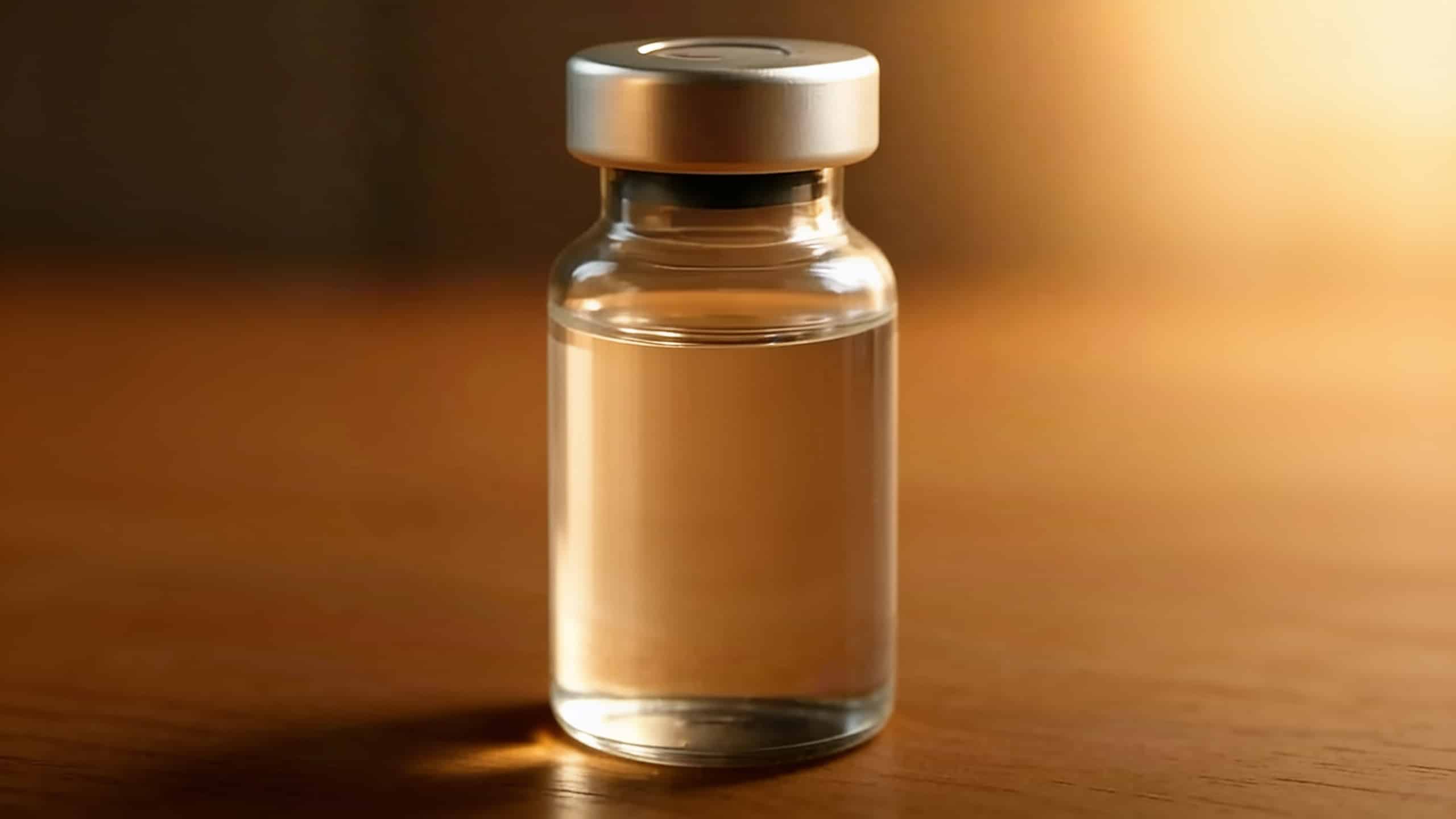
The experimental drug, called PA-915, targets a little-known stress pathway in the brain, blocking signals that fuel chronic anxiety and depressive behaviors.
Researchers are calling it an “anti-anxiety vaccine,” though that description requires some important clarification.
Jump to:
- How PA-915 Targets Stress at Its Source
- Why Researchers Are Comparing It to a Vaccine
- What Makes PAC1 Receptors a Promising Target
- Still Early: No Human Trials Yet
- Other “Stress Vaccines” in Development
- Why This Matters for Mental Health Treatment
- The Science Behind Stress Resilience
- What Comes Next
- Managing Expectations Around “Vaccine” Language
- The Bigger Picture: Rethinking Mental Health Pharmacology
How PA-915 Targets Stress at Its Source
PA-915 works by blocking the PAC1 receptor, a protein activated by a molecule called pituitary adenylate cyclase-activating polypeptide, or PACAP. This receptor plays a central role in regulating the hypothalamic-pituitary-adrenal axis—the body’s main stress response system.
When chronic stress overactivates this pathway, it can lead to elevated cortisol, neuroinflammation, and the biological changes associated with anxiety disorders, depression, and PTSD.

If you want something simple that actually works, this is one of the most effective tools I’ve used to build strength, conditioning, and endurance without needing a full gym setup.
- Full-body training with one weight using swings, squats, and presses
- Solid cast iron build that feels stable and lasts for years
- Comfortable grip that makes high-rep workouts easier to handle
By antagonizing the PAC1 receptor, PA-915 appears to dampen this stress-driven signaling. In mouse models exposed to chronic stress, a single dose of the compound produced rapid reductions in anxiety- and depression-like behaviors—effects that persisted for several weeks.
The findings were published in a study titled “Rapid and long-lasting antidepressant-like effects of the pituitary adenylate cyclase-activating polypeptide receptor antagonist PA-915 in chronic stress mouse models” on ResearchGate.
Why Researchers Are Comparing It to a Vaccine
The “vaccine” terminology stems from duration, not mechanism.
Unlike SSRIs or benzodiazepines—which require daily dosing and often take weeks to work—PA-915 demonstrated sustained effects from a single administration. That’s highly unusual in psychiatry and reminiscent of how vaccines provide long-term protection from a single shot.
But PA-915 is not an immunological vaccine. It doesn’t train immune cells or produce antibodies. It’s a small-molecule drug that blocks a receptor in the brain.
The framing is metaphorical, meant to capture the compound’s long-lasting impact rather than its biological method of action.
If you want something simple that actually works, this is one of the most effective tools I’ve used to build strength, conditioning, and endurance without needing a full gym setup.
- Full-body training with one weight using swings, squats, and presses
- Solid cast iron build that feels stable and lasts for years
- Comfortable grip that makes high-rep workouts easier to handle
What Makes PAC1 Receptors a Promising Target
The PACAP/PAC1 system has been studied extensively in stress neuroscience. Elevated PACAP signaling has been linked to increased vulnerability to stress-related psychiatric conditions in both animals and humans.
Research shows that people with certain genetic variations in the PAC1 receptor gene are more susceptible to PTSD following trauma exposure. Women, who naturally have higher PACAP levels, also show higher rates of anxiety disorders and post-traumatic stress.
Blocking this pathway could theoretically provide relief without the side effects or delayed onset seen with traditional antidepressants.
Still Early: No Human Trials Yet
PA-915 remains in the preclinical stage. All published data comes from rodent models, and no human clinical trials have been announced or completed as of now.
History shows that most compounds showing promise in mice fail to translate to humans. Differences in brain structure, stress biology, and drug metabolism mean results in animals don’t always predict human outcomes.
Neuropharmacologists emphasize caution. The leap from animal efficacy to FDA-approved treatment is long, expensive, and uncertain.
If you want something simple that actually works, this is one of the most effective tools I’ve used to build strength, conditioning, and endurance without needing a full gym setup.
- Full-body training with one weight using swings, squats, and presses
- Solid cast iron build that feels stable and lasts for years
- Comfortable grip that makes high-rep workouts easier to handle
Other “Stress Vaccines” in Development
PA-915 isn’t the only candidate being explored under this conceptual umbrella.
Researchers have investigated Mycobacterium vaccae, a heat-killed bacterium that appears to reduce stress responses in rodents through anti-inflammatory mechanisms. Unlike PA-915, this approach actually involves immune system training—closer to a true vaccine.
A 2013 study published in PMC demonstrated that mice vaccinated with CNS-derived self-antigens before stress exposure showed reduced anxiety and enhanced recovery of brain-derived neurotrophic factor (BDNF) in the hippocampus, a region critical for mood regulation.
Additionally, a small clinical trial reported in ScienceDaily found that an anti-inflammatory drug used for rheumatoid arthritis reduced depression severity, fatigue, and anxiety in treatment-resistant patients—reinforcing the link between inflammation and mental health.
Why This Matters for Mental Health Treatment
Roughly one-third of people with depression don’t respond to current antidepressants. Treatment-resistant cases are common, and medication adherence is a persistent challenge.
A single-dose therapy that provides weeks of relief could transform treatment paradigms—especially for PTSD, chronic anxiety, and severe depression.
If you want something simple that actually works, this is one of the most effective tools I’ve used to build strength, conditioning, and endurance without needing a full gym setup.
- Full-body training with one weight using swings, squats, and presses
- Solid cast iron build that feels stable and lasts for years
- Comfortable grip that makes high-rep workouts easier to handle
But psychiatrists warn against premature optimism. Validating safety, efficacy, and durability in human populations will take years. Side effects, dosing challenges, and real-world variability remain unknown.
The Science Behind Stress Resilience
Chronic activation of stress pathways doesn’t just affect mood—it reshapes brain structure. Prolonged cortisol exposure can shrink the hippocampus, weaken prefrontal cortex function, and amplify amygdala reactivity.
Blocking PAC1 receptors may interrupt this cascade early, preserving neural integrity and preventing the downstream consequences of uncontrolled stress signaling.
Animal studies suggest PA-915 not only reduces symptoms but may also promote neuroplasticity—the brain’s ability to adapt and recover.
What Comes Next
For PA-915 to reach patients, it must pass through multiple phases of clinical testing:
- Phase I trials to assess safety and dosing in healthy volunteers
- Phase II trials to evaluate efficacy in small patient populations
- Phase III trials to confirm benefits in large, diverse groups
- Regulatory review by agencies like the FDA
Each stage takes years. Even promising candidates often fail due to unforeseen toxicity, lack of efficacy, or manufacturing challenges.
If you want something simple that actually works, this is one of the most effective tools I’ve used to build strength, conditioning, and endurance without needing a full gym setup.
- Full-body training with one weight using swings, squats, and presses
- Solid cast iron build that feels stable and lasts for years
- Comfortable grip that makes high-rep workouts easier to handle
Still, the underlying science is solid. The PAC1 receptor is a validated stress target, and antagonizing it represents a novel mechanism distinct from serotonin-based antidepressants.
Managing Expectations Around “Vaccine” Language
Science communicators caution that calling PA-915 a vaccine—even metaphorically—risks confusing the public.
Vaccines train immune systems to recognize threats. PA-915 blocks a receptor in the brain. The mechanisms are fundamentally different, and conflating them could create unrealistic expectations or misunderstandings about how mental health treatments work.
The term captures attention, but clarity matters—especially when discussing early-stage research that hasn’t been tested in humans.
The Bigger Picture: Rethinking Mental Health Pharmacology
PA-915 represents a broader shift in psychiatry: moving beyond symptom management toward targeted biological interventions.
Traditional antidepressants increase serotonin or norepinephrine availability. Newer approaches target inflammation, stress hormones, neuroplasticity, and receptor systems like PAC1.
If you want something simple that actually works, this is one of the most effective tools I’ve used to build strength, conditioning, and endurance without needing a full gym setup.
- Full-body training with one weight using swings, squats, and presses
- Solid cast iron build that feels stable and lasts for years
- Comfortable grip that makes high-rep workouts easier to handle
This diversification is critical. Mental health conditions are heterogeneous—what works for one person may not work for another. More treatment options mean better personalized care.
PA-915 is still years away from pharmacy shelves, but its development signals growing momentum behind novel, mechanism-driven therapies for anxiety and depression.