Losing weight doesn’t always mean losing belly fat—and that’s a problem.
Abdominal fat isn’t just the layer sitting under skin. It’s also visceral fat, the dangerous kind wrapped around internal organs like the stomach, liver, and pancreas.
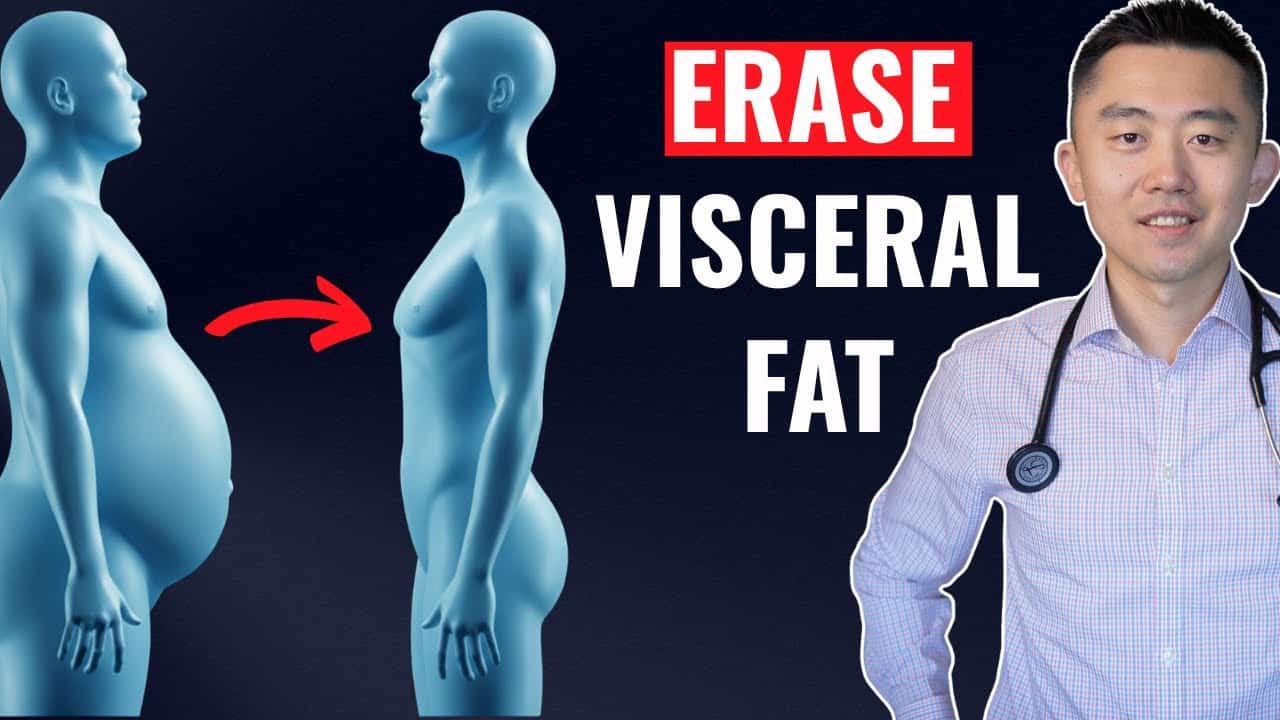
This hidden fat drives chronic conditions including diabetes, fatty liver disease, heart disease, and even cancer. But here’s the silver lining: visceral fat, while dangerous, is also the easiest fat to lose once targeted correctly.
The right foods, drinks, and exercise strategies can burn it off quickly—and the science shows exactly how.
Jump to:
- Why Carotenoid-Rich Foods Are Visceral Fat’s Worst Enemy
- Green Tea and Catechins: A Fat-Burning Powerhouse
- Why Exercise Is the Magical Multiplier
- The Best Exercise Modalities for Visceral Fat Loss
- The Ideal Exercise Protocol for Visceral Fat Loss
- More Exercise = More Results (But Not More Dieting)
- The Bottom Line
Why Carotenoid-Rich Foods Are Visceral Fat’s Worst Enemy
What we eat daily either feeds visceral fat or starves it. One of the most powerful weapons? Carotenoid-rich foods.
Carotenoids are natural plant pigments—they give carrots their orange hue, make tomatoes red, and provide spinach with that deep green color. But beyond aesthetics, carotenoids act as powerful antioxidants.
Energy excess leads to inflammation and disrupted metabolism, which fuels visceral fat accumulation. Carotenoids reduce this stress by neutralizing free radicals—unstable molecules that damage cells.
By removing free radicals, carotenoids help stabilize genes. Specifically, they can activate genes that burn fat while silencing genes that signal the body to store it.
A randomized double-blind trial in Japan examined whether carotenoid intake affects visceral fat. After just eight weeks of eating carotenoid-rich vegetables, participants saw visceral fat reduction—especially those consuming high lycopene and low lutein foods like carrots and Napa cabbage.
Importantly, all four groups eating carotenoid-rich vegetables lowered visceral fat.
How to Get More Carotenoids
Target colorful vegetables and fruits:
- Carrots
- Sweet potatoes
- Bell peppers
- Spinach
- Squash
- Tomatoes
Any vibrant vegetable or fruit likely contains carotenoids that help melt visceral fat.
Green Tea and Catechins: A Fat-Burning Powerhouse
After carotenoids, another critical compound to target: catechins.
These flavonoid polyphenols act as antioxidants and reduce inflammation. Green tea is loaded with them—and that’s why the phrase “green tea burns fat” isn’t just hype.
Catechins change how the body handles fat, especially visceral fat. They boost fat oxidation and energy expenditure by stimulating the nervous system to burn more fat and rev up overall metabolism.
Catechins also inhibit fat-processing enzymes like lipase, blocking dietary fat from being absorbed in the first place.
Green tea’s power is amplified by caffeine, which works synergistically with catechins to enhance fat burning.
A double-blind, placebo-controlled randomized trial in Japan showed that 12 weeks of drinking catechin-enriched green tea—about 600 mg of catechins daily—resulted in significant visceral fat reduction.
Maximize Green Tea Benefits
Most green teas contain high catechin levels, but minimally processed varieties pack the biggest punch:
- Matcha
- Sencha
Why Exercise Is the Magical Multiplier
Any calorie deficit helps with weight loss and visceral fat reduction. But targeting the right foods and drinks accelerates progress.
Once nutrition is dialed in, the correct exercise regimen becomes a game-changer.
A meta-analysis of 117 studies showed that while both diet and exercise reduce visceral fat, diet has a larger effect on total body weight loss. However, exercise tends to have superior effects on reducing visceral fat specifically.
An older but fascinating study demonstrated the power of small exercise doses. Just two 45-minute cycling sessions per week at 75% of VO2 peak for two months reduced visceral fat by 48%—nearly half in just eight weeks.
Participants also improved insulin sensitivity by 41% and lost 18% of subcutaneous fat. This wasn’t strenuous exercise—it was low-to-moderate intensity, around 70-80% of maximum heart rate.
That’s the intensity where conversation is possible in full sentences, but breathing sounds slightly labored.
Don’t Get Discouraged by the Scale
Another interesting finding: total body weight stayed about the same despite remarkable visceral fat loss and improved insulin sensitivity.
This is crucial. The scale is often a poor indicator of progress because it doesn’t reflect changes in body composition or fat mass reduction.
Doing everything right—proper nutrition, consistent movement, targeted exercise—but not seeing weight drop? That’s normal. Internal changes are happening even when the number doesn’t budge.
The Best Exercise Modalities for Visceral Fat Loss
A recent systematic review and meta-analysis of 84 randomized controlled trials identified the most effective exercise types for visceral fat reduction:
- Vigorous-intensity aerobic exercise
- High-intensity interval training (HIIT)
Resistance training was beneficial but not as effective for visceral fat specifically.
That doesn’t mean skipping resistance training. It’s essential for maintaining muscle mass, supporting metabolism, and overall health. But for fast visceral fat loss over the next few months, dialing up cardio is key.
HIIT vs. Aerobic Exercise: Does It Matter?
Not really. Studies comparing the two show similar effectiveness with no statistically significant difference in adults.
Diving deeper into the data suggests running may have a slight edge over cycling for HIIT. And in kids and young adults under 24, HIIT may outperform aerobic exercise slightly.
But honestly? We’re splitting hairs.
Whether it’s HIIT, aerobic exercise, cycling, running, rowing, or dancing—the best exercise is the one you’ll actually stick with. Consistency beats perfection every time.
A textbook-perfect HIIT protocol done twice a month loses to an enjoyable walk done several times weekly.
The Ideal Exercise Protocol for Visceral Fat Loss
Based on available studies, aim for:
- Frequency: At least 2-3 times per week
- Duration: At least 45 minutes per session
- Intensity: Moderate to vigorous (70-80% of maximum heart rate)
The Talk Test for Intensity
Not into tracking heart rate? Use the talk test:
- Moderate intensity: Can speak in full sentences but sound slightly out of breath
- Vigorous intensity: Can only speak a few words before pausing for breath
More Exercise = More Results (But Not More Dieting)
Exercise effects are dose-dependent—the more done, the better the results.
A recent study in the British Journal of Sports Medicine showed that participants exercising more frequently or at higher intensity saw proportionally greater visceral fat reductions.
By contrast, caloric restriction didn’t show that dose-dependent response. There’s a limit to calorie restriction—beyond a certain point, additional restriction provides no extra benefit.
You don’t need to starve yourself to lose belly fat. Quite the opposite.
Consume enough calories to maintain a small deficit, then gradually increase activity and exercise to accelerate visceral fat loss.
The Bottom Line
Visceral fat is dangerous—but also the easiest fat to lose with the right approach. Prioritize carotenoid-rich vegetables, drink catechin-packed green tea, and commit to consistent moderate-to-vigorous cardio at least 2-3 times weekly.
Don’t obsess over the scale. Focus on what matters: reducing visceral fat, improving metabolism, and building sustainable habits.
Consistency trumps perfection. Choose foods and exercises enjoyed enough to stick with long-term—and watch visceral fat melt away.