Sit-ups aren’t the best way to build a six-pack, and they can even hurt your back and neck. Luckily, there are better exercises that will target more muscles, improve core strength, and give you faster results. In this article, you’ll discover four powerful moves that go beyond sit-ups to sculpt a defined, functional core. Ready to take your workouts to the next level? Keep reading to learn how to strengthen your abs safely and effectively.
Jump to:
Why Sit-Ups Aren’t the Best for a Six-Pack
Injury Risks
Sit-ups can cause significant strain on your neck and lower back, especially if performed with improper form. Relying on sit-ups for core training increases the risk of injury, particularly in people with pre-existing back issues. As your spine flexes repeatedly during the movement, it can exacerbate problems such as lower back pain or even lead to herniated discs over time.
Limited Activation
Sit-ups mainly work the rectus abdominis, the muscle responsible for the “six-pack” appearance. However, they neglect other crucial core muscles like the transverse abdominis and obliques, which are vital for full core stability. This single-plane movement also doesn’t fully engage muscles that contribute to a balanced, functional core.
Modern Approach
Fitness experts now emphasize the importance of training the core for functional strength and stability. Instead of repetitive, isolated movements like sit-ups, today’s top exercises are designed to work the core in a way that supports overall movement, balance, and strength in daily activities and sports.
Exercise 1: Planks
How It Works
Planks are a static exercise where you hold your body in a straight line, using your core muscles to maintain stability. This move engages the transverse abdominis, the deep core muscle responsible for stabilizing your spine and pelvis, while also recruiting the rectus abdominis, obliques, glutes, shoulders, and lower back.
Muscles Targeted
- Transverse abdominis
- Rectus abdominis
- Obliques
- Glutes
- Shoulders
- Lower back
Variations
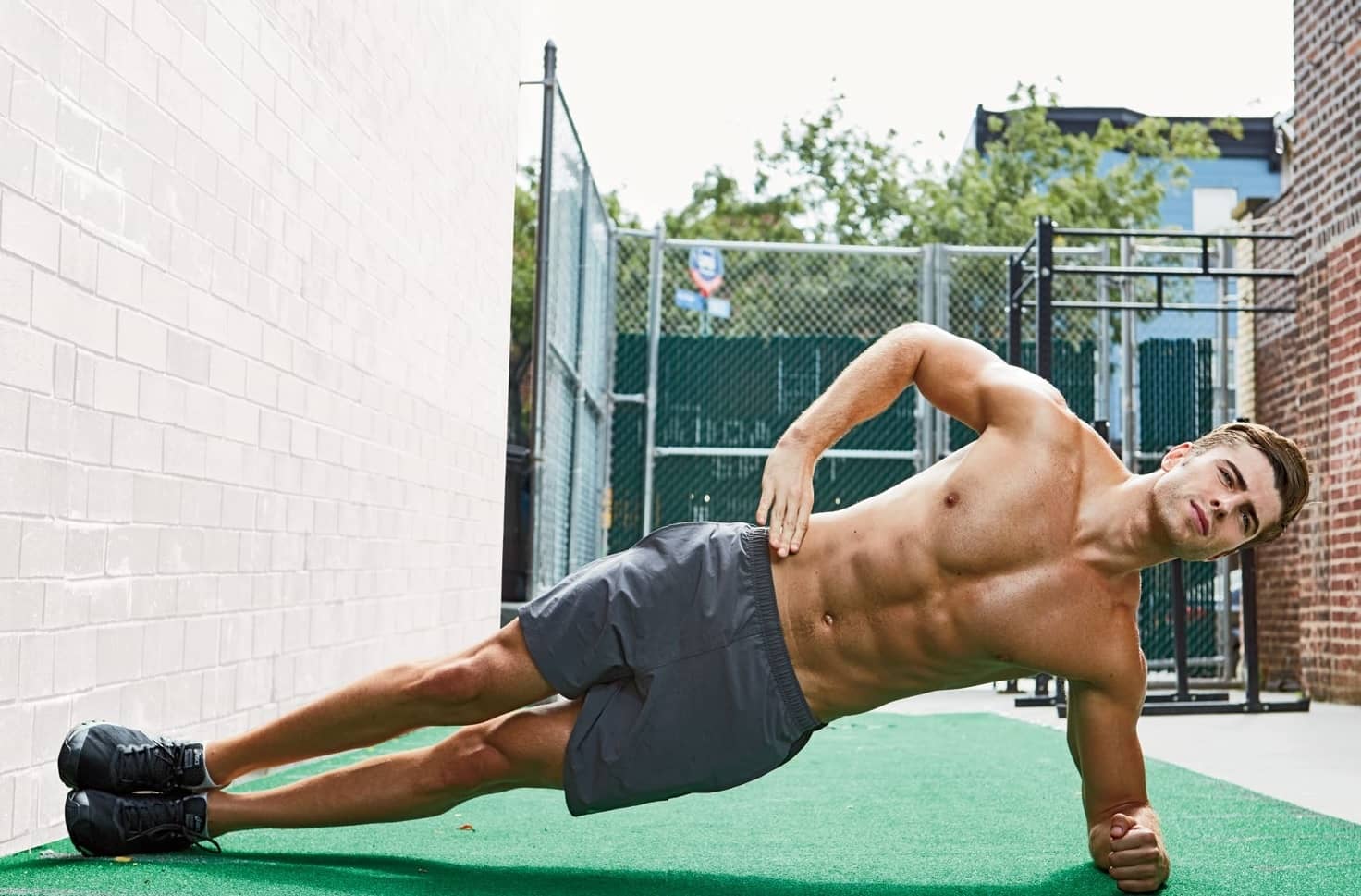
Side Plank: This variation targets the obliques and helps improve lateral stability, an often-overlooked aspect of core strength.
Plank with Leg Lift: Adding a leg lift brings in the glutes and hip flexors, turning this static hold into a more dynamic movement, challenging your balance and coordination.
Why It’s Better
Planks are excellent for building endurance and creating core stability without the risk of spinal flexion or lower back strain. This is essential not just for aesthetics but also for preventing injuries during other types of physical activity. A plank works more muscles simultaneously compared to sit-ups, offering better overall results.
Exercise 2: Bicycle Crunches
How It Works
Bicycle crunches are a dynamic movement where you simulate pedaling a bicycle by alternating knee-to-elbow motions. As you twist your torso, you engage the obliques while simultaneously targeting the rectus abdominis and hip flexors.
Muscles Targeted
- Rectus abdominis
- Obliques
- Hip flexors
Why It’s Better
Unlike sit-ups, bicycle crunches engage multiple core muscles in one fluid motion. They work the entire abdominal region, including both the upper and lower abs, while also activating the obliques. This makes them much more efficient for building a strong, well-rounded core.
Little-Known Benefit
Bicycle crunches help improve your coordination and enhance the mind-muscle connection. As you practice the movement, you develop better control over the muscles you’re working, which leads to improved muscle activation and faster results.
Exercise 3: Hanging Leg Raises
How It Works
Hanging leg raises are performed by hanging from a bar and lifting your legs either straight or bent at the knees. This movement isolates the lower abs, an area often neglected by traditional sit-ups. Incorporating twists can target the obliques as well.
Muscles Targeted
- Lower abs
- Hip flexors
- Obliques (with a twist variation)
Why It’s Better
Hanging leg raises are one of the best exercises for hitting the lower abs, an area that sit-ups often miss. Strengthening this part of your core is crucial for achieving a truly defined six-pack. Plus, the hanging position adds a challenge for your grip strength and upper body endurance.
Advanced Variations
Toes-to-Bar: Take the exercise up a notch by lifting your legs all the way to the bar. This intense variation challenges the entire core, boosting muscle activation.
Windshield Wipers: Add a rotational twist by moving your legs side to side while hanging. This hits your obliques and helps develop rotational strength, improving functional movement.
Bonus Fact
Hanging leg raises require significant grip strength and upper body endurance. This adds an element of athleticism to the movement, enhancing overall fitness while you build your core.
Exercise 4: Ab Wheel Rollouts
How It Works
With the ab wheel rollout, you kneel on the ground, holding the handles of an ab wheel, and roll it forward while keeping your core engaged. You then roll it back in, using your core muscles to control the motion.
Muscles Targeted
- Transverse abdominis
- Rectus abdominis
- Obliques
- Shoulders
- Lower back
Why It’s Better
This exercise offers a dual benefit by combining a stretching motion with contraction, engaging the core more deeply than sit-ups ever could. The transverse abdominis, in particular, is activated to a greater extent, contributing to both core strength and stability.
Mistakes to Avoid
One of the most common mistakes during ab wheel rollouts is allowing the lower back to sag, which can lead to injury. Focus on maintaining a neutral spine and a strong core to prevent this.
Little-Known Fact
Ab wheel rollouts mimic an anti-extension movement. This type of exercise is critical for functional core stability, as it trains the muscles to resist overarching the back, which is key for injury prevention and real-world strength.
Bonus Tips for a Better Six-Pack
Cardio & Fat Loss
No matter how hard you train your core, your six-pack won’t be visible without reducing your overall body fat. Cardio is essential for burning calories and fat, helping to reveal the muscle definition beneath. High-intensity interval training (HIIT) can be especially effective for fat loss.
Nutrition
Eating a balanced diet is crucial for six-pack success. Focus on lean proteins, healthy fats, and complex carbohydrates. Adequate hydration also plays a role in muscle recovery and fat loss. Without proper nutrition, you won’t see the full benefits of your workouts.
Rest & Recovery
Overtraining your abs can be counterproductive. Like any other muscle, your core needs time to recover and grow. Incorporating rest days into your routine helps prevent injury and allows your muscles to repair, leading to greater strength and definition over time.
Conclusion
If you want a six-pack that’s both strong and defined, it’s time to leave sit-ups behind. These four core exercises—planks, bicycle crunches, hanging leg raises, and ab wheel rollouts—are more effective, target more muscles, and improve overall stability. Start incorporating them into your routine today to build a sculpted, functional core that doesn’t just look great but performs well in everything you do.