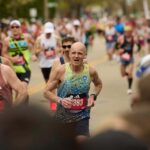
Milestone birthdays often prompt reflection, but for fitness icon Milind Soman, turning 60 wasn’t about looking back—it was about celebrating forward momentum.
The actor and endurance athlete marked his sixth decade amidst Maldives’ turquoise waters, fresh off completing his second Ironman triathlon.

His perspective on aging challenges everything society tells us about getting older.
And his secret? It has nothing to do with genetics and everything to do with daily choices.
Jump to:
Discipline Matters More Than Age
Soman completed his first Ironman at 50—a grueling test combining a 2.4-mile swim, 112-mile bike ride, and full marathon. Returning to the same challenge a decade later revealed something profound about human potential.
The first time I did the Ironman at 50, it was a test of willpower. Ten years later, at 60, it became a celebration of balance — body, mind, discipline and consistency.
His evolution from sheer determination to harmonious practice illustrates how fitness becomes sustainable. Willpower fades, but systems endure.
Speaking with Bombay Times, Soman identified the real culprit behind physical decline. Spoiler: it’s not birthdays.
I’ve realised age doesn’t slow you down; inconsistency and indiscipline do. Self-respect is respect for your body and mind, which will reward you in ways you can’t imagine.
That mind-body connection drives results far beyond aesthetic changes. When respect replaces vanity as motivation, sustainable transformation follows.
At 60, I feel stronger, lighter, and freer than I did at 30.
Energy Is A Choice, Not A Birthright
Biological age tells only part of the story. Soman argues that vitality stems from perspective rather than physiology.
Your body doesn’t decide how old you are — your attitude does. I’ve met 20-year-olds who are tired of life and 70-year-olds who wake up excited for a morning run.
That observation rings true across gyms, offices, and communities worldwide. Chronological age and functional age diverge dramatically based on lifestyle patterns.
Movement with intention creates different biological outcomes than sedentary resignation. Research supports this—regular exercise influences cellular aging markers, inflammation levels, and metabolic function regardless of when someone starts.
It’s not about stopping time; it’s about moving with purpose and joy.
Why Feeling Good Beats Looking Good
Social media glorifies visible abs and sculpted physiques. Soman redirects focus toward something more valuable.
Looking good is temporary. Feeling good is timeless. When you chase strength, peace, and health — confidence follows.
External validation provides diminishing returns. Internal vitality compounds indefinitely.
His approach dismantles common procrastination patterns that keep people stuck. Waiting for perfect conditions guarantees paralysis.
People often say, ‘I’ll start when I’m ready.’ If you keep telling yourself that, you’ll never be ready. Whether you’re 20, 40, or 60 — the best time to start loving and celebrating your body is now.
Redefining What 60 Looks Like
Bollywood superstar Shah Rukh Khan also recently turned 60, prompting conversations about aging in the public eye. Both men defy conventional expectations.
Soman attributes this shift to lifestyle evolution rather than genetic lottery.
I think 60 today looks very different because we’ve changed how we live. It’s no longer about counting years — it’s about creating experiences.
Experience-driven living replaces age-focused limitation. When daily routines prioritize growth over comfort, biological aging slows.
Shah Rukh is redefining 60 by the things that give him joy, and I do the same. Find the thing that gives you joy — body, mind and spirit, and keep doing it, no matter what.
Joy becomes the ultimate performance enhancer. Cortisol drops, recovery improves, and adherence skyrockets when movement feels pleasurable rather than punitive.
If you wake up excited every day, 60 can feel like 40 — or even 25!
Freedom Over Aesthetics
Ask most gym-goers about fitness goals, and answers revolve around appearance. Soman operates from different priorities entirely.
Fitness for me, is freedom. The freedom to climb a mountain, swim across an ocean, run barefoot, or just breathe deeply without effort.
Functional capacity trumps mirror satisfaction. Bodies capable of adventure deliver richer experiences than bodies optimized solely for photos.
Ironman and marathons are not the goal. My motivation has never been abs or medals — it’s the joy of knowing my body still does everything I ask of it. To me, that’s real success.
That definition of success sidesteps comparison traps. Personal capability matters more than podium placement.
Practical Takeaways From Soman’s Philosophy
His approach translates into actionable principles for anyone seeking sustainable fitness:
- Prioritize consistency over intensity — daily movement beats sporadic heroics
- Cultivate discipline as self-respect — honoring commitments to yourself builds confidence
- Choose activities that spark joy — sustainable fitness feels playful, not punishing
- Define success by capability — measure progress through what your body can do
- Start immediately — perfect conditions never arrive; imperfect action beats perfect planning
These principles work regardless of current fitness level. Someone walking around the block applies identical philosophy as someone completing Ironman triathlons.
Inspiration Beyond Personal Achievement
Soman also celebrated India’s women’s cricket team winning their maiden World Cup, connecting athletic achievement to broader cultural shifts.
It’s incredible and inspiring! Whether it is cricket or triathlons or life, our women are redefining what strength and resilience look like. They’re proving that dreams don’t have gender, or age — only grit.
His recognition highlights how individual fitness journeys ripple outward. Personal transformation inspires collective possibility.
At 60, Milind Soman embodies proof that vitality stems from daily choices rather than genetic destiny. His message resonates because it’s accessible—anyone can begin prioritizing discipline, joy, and functional capability today.
The question isn’t whether age affects physical capacity. It does. The real question is whether inconsistency, indiscipline, and resignation accelerate that decline far more than necessary.
Based on Soman’s results, that answer seems clear.