In his Netflix documentary, the seven-time Mr. Olympia reflects on his early days in bodybuilding—and just how much steroids really contributed.
Arnold Schwarzenegger may be known as a Hollywood icon and former governor of California, but his rise to fame started in the gym.
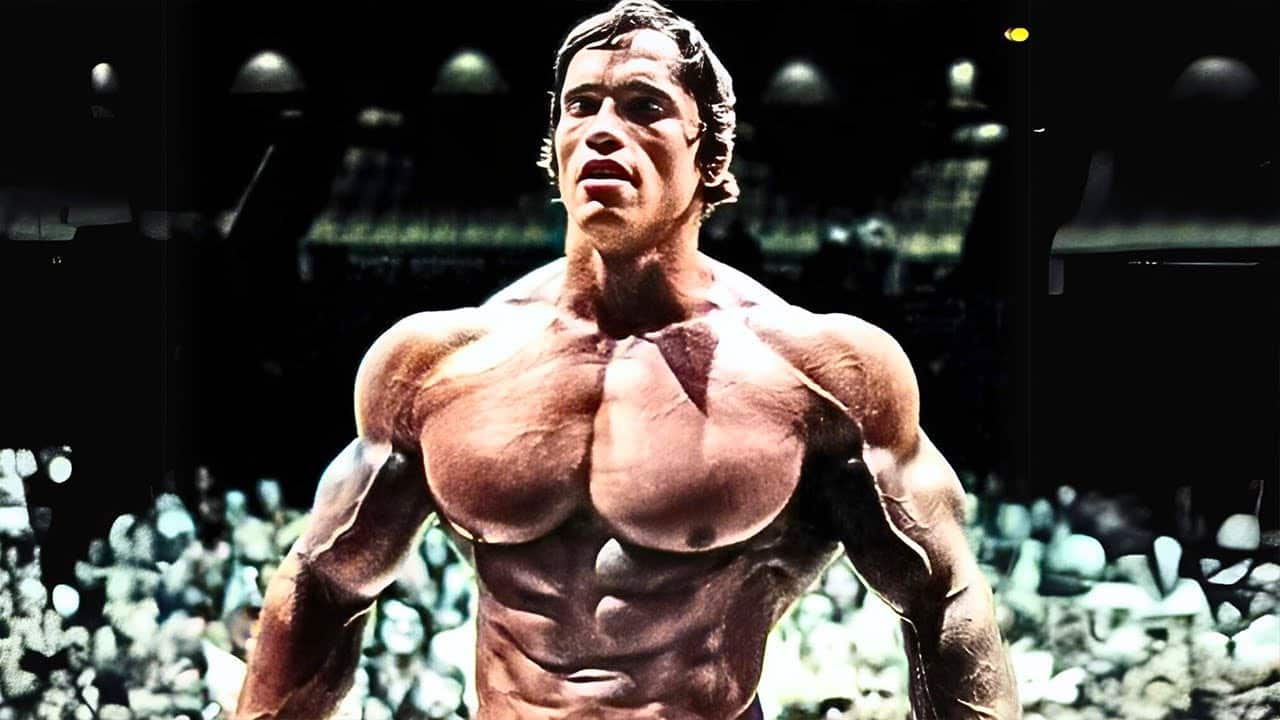
Now, at 75, he’s offering a rare behind-the-scenes look at what it really took to become the most recognized bodybuilder on the planet—including an honest take on steroid use.
In Netflix’s three-part docuseries Arnold, Schwarzenegger opens up about the pivotal moments that shaped his career.
From moving to Los Angeles in the late 1960s to training alongside bodybuilding legends, the series explores how an ambitious teenager from rural Austria built a physique—and a brand—that would eventually transcend sport.
But what might surprise viewers most is just how candid Schwarzenegger is about performance-enhancing drugs.
Jump to:
“Maybe Five Percent”: Schwarzenegger’s View on Steroids
Throughout the documentary, Schwarzenegger acknowledges that steroids played a role in his training—but not nearly to the extent some might assume.
“Everybody in the bodybuilding field who is up there on the top is taking steroids,” a young Arnold says in one archival clip. “Maybe five percent of my progress is from the steroids.”
That comment stands in stark contrast to the assumptions many make about the bodybuilding world, especially during the 1970s when drug use in the sport was widespread but far less regulated.
He further elaborates that his own use was measured and medically supervised. “I had doctors’ supervision. You stayed with a very strict rule of doing it four months a year before a competition, and then lay off,” Schwarzenegger explains in the series.
A Blueprint from Hercules
Schwarzenegger’s fascination with bodybuilding began long before his move to the U.S. He recalls being inspired by Hercules in the Haunted World, a 1961 film starring British bodybuilder Reg Park.
“That movie became a blueprint of where I wanted to go in life,” he says.
By 1967, Arnold had relocated to Los Angeles to immerse himself in the epicenter of professional bodybuilding. But arriving in California wasn’t an instant ticket to success. Trainers like Vince Gironda were blunt in their feedback, telling him he needed to shed “a lot of fat” before he’d be taken seriously.
Joe Gold, founder of Gold’s Gym, reportedly called him “Balloon Belly.”
Surrounding Himself with Champions
One of Schwarzenegger’s greatest strengths was knowing he couldn’t achieve greatness alone. He invited two top bodybuilders—Frank Zane and Franco Columbu—to California to train with him.
“I alone cannot accomplish anything. I need help,” he says in the series.
Together, the trio became a formidable force at Gold’s Gym in Venice Beach, a location that would become legendary in the bodybuilding world. The environment wasn’t just a training ground—it was a stage.
“There were hundreds of people watching guys working out,” Schwarzenegger recalls. “I felt like I was living in the middle of a circus.”
That crowd energy only fueled his desire to improve.
Not Just Lifting: Dialing in Nutrition and Recovery
Steroids aside, Schwarzenegger emphasizes the significance of diet, supplementation, and training consistency. Though he admits he wasn’t always a fanatic about food, he credits Zane and Columbu with helping him fine-tune his nutrition plan.
“They put my vitamins together,” he says. “And then we would experiment with steroids.”
Even then, it wasn’t just about drugs. Arnold made strategic lifestyle changes—adjusting his diet, improving his skin tone through tanning, and optimizing every element of his presentation.
“If your whole personality is to show off, you can’t wait to show people what you have,” he says.
A Measured Take in a Complicated Era
While the term “steroids” often carries heavy stigma today, it’s worth noting that in Schwarzenegger’s early career, anabolic steroids were not yet illegal. They were often prescribed for performance and recovery under medical supervision.
Still, the athlete’s admission comes with a tone of responsibility—not glorification. He doesn’t minimize their role entirely but puts it in perspective.
In a sport where visual results are everything, Arnold underscores that no shortcut could replace years of discipline, strategic training, and mental toughness.
Final Thoughts: Lessons from the Legend
Arnold’s reflections in Arnold are more than nostalgia—they offer a nuanced look at what it really takes to be a champion.
While many are quick to assume that elite physiques are built solely on drugs, Schwarzenegger’s story paints a broader picture. It’s about environment, mentorship, relentless work ethic, and calculated risks.
Yes, steroids played a role—but according to the legend himself, they were only a sliver of the bigger picture.
For anyone chasing a fitness goal, Arnold’s message remains clear: drugs don’t build discipline. They don’t create dreams. And they don’t win trophies on their own.
That part is earned.