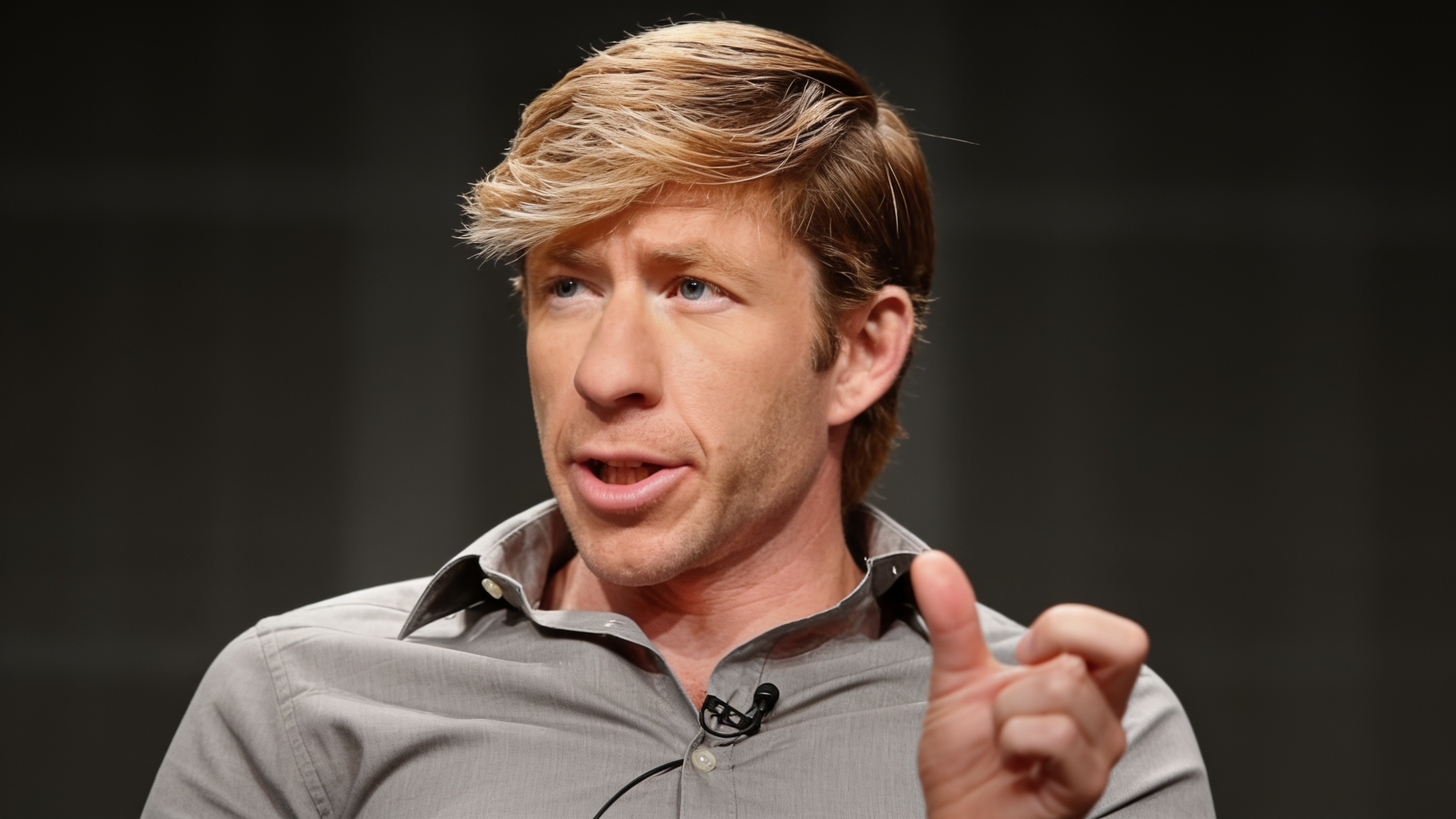
In a recent appearance on Steven Bartlett’s Diary of a CEO podcast, UC Berkeley sleep scientist Matthew Walker unpacked three findings that could change how you treat your pillow.
One challenges the classic “eight hours” rule.
Another suggests rest can be stockpiled before a brutal stretch.
A third ties slumber to brain cleanup linked with Alzheimer’s disease.
Which finding rests on the strongest evidence? Read on, because the answer matters.
Jump to:
Finding 1: Sleep Regularity May Matter More Than Duration
Going to bed and waking at consistent times may be a stronger signal for long-term health than total hours logged. That is the headline from a 2024 study by Windred and colleagues in the journal Sleep.
Researchers tracked 60,977 UK Biobank participants with wrist accelerometers for one week. Follow-up then lasted roughly eight years, and sleep regularity showed a strong association with mortality risk.
The Catch Worth Knowing
This was an observational study. Such designs reveal association, not causation.
Irregular sleepers may carry underlying health conditions that drive both chaotic schedules and higher mortality risk. Total sleep amount also still counts, so regularity is best viewed as one important variable rather than a replacement for enough rest.
Practical Ways to Tighten Your Schedule
- Anchor your wake time: choose one rise time and hold it most days
- Keep weekends close: big swings between workdays and days off undermine consistency
- Build a wind-down routine: repeated cues help bedtime land in the same window
Finding 2: Can You Bank Sleep Before a Rough Week?
Yes, to a degree. A 2009 controlled study by Rupp and colleagues at the Walter Reed Army Institute of Research, published in Sleep, put the idea to the test.
Adults who slept 10 hours nightly for one week before a stretch of restriction (3 hours per night) showed fewer attention lapses and faster cognitive recovery than controls.
Who Could Benefit Most
Predictable sleep restriction is routine for certain groups.
- Shift workers facing rotating schedules
- Military personnel heading into demanding operations
- First responders and medical trainees on call
- Anyone staring down a known crunch period
Banking is a buffer, not a license to skimp. Researchers still debate whether it works as a realistic, sufficient strategy outside controlled lab conditions.
Finding 3: Sleep and Alzheimer’s-Linked Proteins
Here comes the most intriguing finding, and the most preliminary. A 2023 study by Lucey and colleagues in Annals of Neurology examined 38 adults across two nights.
Signals emerged that disrupted sleep may influence levels of amyloid-beta and tau, proteins tied to Alzheimer’s disease. Measurements came from cerebrospinal fluid.
Why Scientists Are Intrigued
The findings fit the glymphatic hypothesis, which proposes that the brain flushes metabolic waste, including amyloid-beta, while you snooze. Appealing idea. Far from settled.
The study authors themselves call this an early signal needing replication in larger trials. Treat it as a promising lead rather than a prevention strategy.
How Strong Is Each Finding?
- Regularity: large cohort, strong association, no proof of causation
- Banking: controlled experiment, practical relevance, limited real-world testing
- Brain proteins: small trial, fascinating signal, very preliminary
Who Is Matthew Walker?
Walker is a professor of neuroscience and psychology at UC Berkeley, where he founded and directs the Center for Human Sleep Science. Born in Liverpool, he earned his PhD at Newcastle University before working at Harvard and joining Berkeley in 2007.
His 2017 bestseller Why We Sleep topped both New York Times and Sunday Times lists. His TED Talk “Sleep Is Your Superpower” has passed 16 million views.
Honors include a 2020 Carl Sagan Prize for Science Achievements and a Kavli Fellowship with the National Academy of Sciences.
Your Takeaway
Consistency is the most actionable lever here. Pick a steady schedule, protect your total hours, and extend rest ahead of any known crunch.
Sources
- UC Berkeley Department of Psychology, Matthew P. Walker profile: https://psychology.berkeley.edu/people/matthew-p-walker