Barefoot shoes spark fierce debate in fitness circles.
Some swear by them. Others dismiss them entirely.
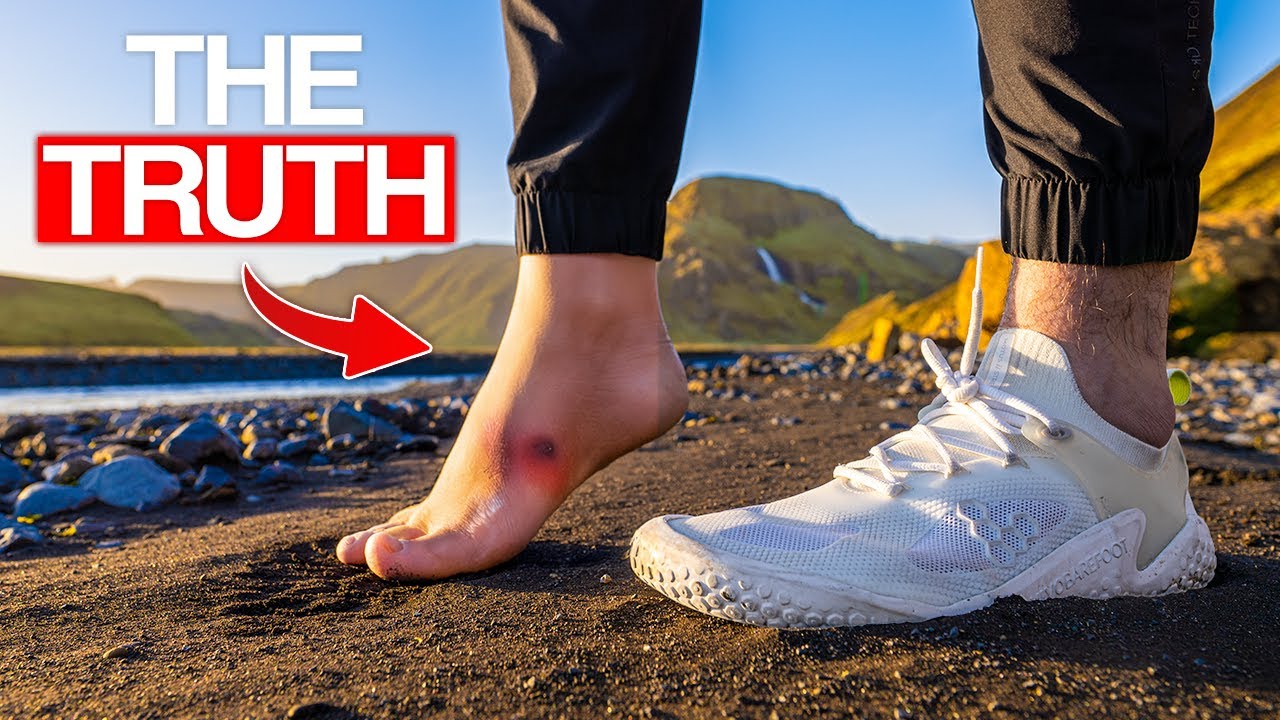
But one fitness creator has spent five years testing barefoot footwear across gyms, hiking trails, and daily life—and his experience reveals when these minimalist shoes genuinely deliver value and when traditional footwear still makes sense.
The journey began in 2019 at a swim-run event on England’s south coast, where the athlete first encountered Vivo Barefoot shoes and discovered an entirely different approach to movement.
Jump to:
Three Reasons That Sparked The Experiment
The initial motivation came down to three compelling factors: eliminating interference between feet and ground during lifting, exploring biomechanical benefits, and simple curiosity.
What started as skepticism transformed into a comprehensive test across multiple shoe categories—gym trainers, daily wear, hiking boots, and trail shoes.

If you want something simple that actually works, this is one of the most effective tools I’ve used to build strength, conditioning, and endurance without needing a full gym setup.
- Full-body training with one weight using swings, squats, and presses
- Solid cast iron build that feels stable and lasts for years
- Comfortable grip that makes high-rep workouts easier to handle
The Transition Period: What Actually Happens
Switching from traditional footwear to barefoot shoes requires patience and realistic expectations. The transition shouldn’t happen overnight—a lesson reinforced by the problematic “Born to Run” movement of 2012.
Day one felt distinctly odd, moving from a 6-10mm drop height with cushioning and narrow toe box to zero drop, zero cushioning, and wide toe box design.
I immediately felt my feet working a lot harder, clearly utilizing some of their 29 muscles more than they ever had done before.
Stride length shortened during walking. Biomechanical awareness increased dramatically.
Each increase in daily step count required breaking through a period of adjustment before movement felt natural again. Around the 90-day mark, something shifted—not only had adaptation occurred, but the shoes felt genuinely great.
Running In Barefoot Shoes: Not Always Necessary
Here’s where conventional wisdom often goes wrong. Running in barefoot shoes isn’t required to gain most physical benefits.
The creator suspects the “Born to Run” narrative created a false all-or-nothing mentality around barefoot running. His experience suggests otherwise—most benefits materialize through daily wear and gym training, without extensive barefoot running.
If you want something simple that actually works, this is one of the most effective tools I’ve used to build strength, conditioning, and endurance without needing a full gym setup.
- Full-body training with one weight using swings, squats, and presses
- Solid cast iron build that feels stable and lasts for years
- Comfortable grip that makes high-rep workouts easier to handle
He limits barefoot running primarily to short trail runs, focusing instead on leveraging these shoes where they provide clear advantages.
What Science Actually Says
Honesty matters when examining research. While numerous studies exist, much evidence remains inconclusive.
Passion for barefoot lifestyle often extends beyond what science definitively supports—relying heavily on anecdotal experience.
However, two robust studies show measurable results:
- Liverpool University research from 2021 concluded daily activity in barefoot footwear can increase foot strength by up to 60%
- American College of Sports Medicine study confirmed walking in minimalist shoes effectively strengthens foot muscles
- Meta-analysis examining barefoot footwear impact on children shows promising results
The evidence supports strengthening ankle and foot structures through building tolerance, load, and volume—identical principles applied elsewhere in training.
Anecdotally speaking, throughout ultras, triathlons, lifting heavy stones, or simply trying not to roll my ankle trail running, my ankles and feet feel much more robust than they did before I use barefoot shoes on a daily basis.
When To Wear Barefoot Shoes (And When Not To)
Daily Lifestyle Wear
The GOI sneaker covers approximately 90% of daily activities for someone without uniform or suit requirements.
If you want something simple that actually works, this is one of the most effective tools I’ve used to build strength, conditioning, and endurance without needing a full gym setup.
- Full-body training with one weight using swings, squats, and presses
- Solid cast iron build that feels stable and lasts for years
- Comfortable grip that makes high-rep workouts easier to handle
Walking 30,000+ steps around cities feels comfortable. In contrast, spending just one day in traditional smart shoes at formal events leaves feet, ankles, knees, and even hips feeling battered the following day.
This represents an ideal starting point for barefoot shoe experimentation.
Gym Training
The Motor Strength model has become a staple for daily gym sessions—slip-on convenience, excellent grip, breathability.
The only exception? Olympic lifting shoes occasionally manipulate position for specific squat variations.
Removing instability between feet and ground creates better tension during lifts. Barefoot shoes provide stable foundation from ground upward, enabling better execution.
Hiking Adventures
The Tracker Textile performs exceptionally well through torrential Scottish Highland rain and challenging Icelandic terrain.
If you want something simple that actually works, this is one of the most effective tools I’ve used to build strength, conditioning, and endurance without needing a full gym setup.
- Full-body training with one weight using swings, squats, and presses
- Solid cast iron build that feels stable and lasts for years
- Comfortable grip that makes high-rep workouts easier to handle
Traditional hiking boots emphasize ankle support, which often gets over-relied upon and can actually facilitate weakness around joints. Barefoot boots allow feet to move freely while strengthening ankle structure—provided volume tolerance builds cautiously.
The biggest advantage? These boots weigh dramatically less than conventional hiking boots, creating more dynamic movement and stronger environmental connection.
Performance Running
Performance-focused running still benefits from cushioned trainers and trail shoes. Why? Cushioning enables running farther and faster by leveraging modern technology.
But here’s the critical insight: barefoot running serves as calibration ensuring runners don’t rely exclusively on technology.
Significant running injuries stem from overstriding—often masked by cushioned shoes. Each stride’s transient impact load becomes substantial, and overstriding directs force directly into ankle structure and shins rather than throughout the body.
Barefoot shoes provide excellent gait drilling, focusing attention on landing directly beneath the body. Slam your heel forward in running shoes? Probably feels fine. Try that in barefoot shoes? You’ll definitely know about it.
If you want something simple that actually works, this is one of the most effective tools I’ve used to build strength, conditioning, and endurance without needing a full gym setup.
- Full-body training with one weight using swings, squats, and presses
- Solid cast iron build that feels stable and lasts for years
- Comfortable grip that makes high-rep workouts easier to handle
The Function Over Fashion Principle
All Vivo shoes share three core characteristics: wide, thin, and flexible.
Beyond style or grip variations, the fundamental premise and feel remain consistent. Individual shoe reviews matter less than understanding category utility.
Grip and material dictate environmental suitability. Style determines outfit compatibility. Function determines utility for feet.
The Bold Recommendation
If resources allow, everyone should try barefoot shoes at least once.
Biomechanical advantages, joint strengthening, and the simple sensation of how they feel make experimentation worthwhile.
- Lifters: Try them in the gym
- Dog walkers: Grab a pair for daily walks
- City workers: Use them for commuting
- Runners: Practice gait drills
- Cynics: Even skeptics might convert after genuine trial
Stronger feet, ankles, and calves developed through daily barefoot footwear activity create more robust movement patterns overall. Building resilience without additional training time? That’s genuinely appealing.
If you want something simple that actually works, this is one of the most effective tools I’ve used to build strength, conditioning, and endurance without needing a full gym setup.
- Full-body training with one weight using swings, squats, and presses
- Solid cast iron build that feels stable and lasts for years
- Comfortable grip that makes high-rep workouts easier to handle
So was I a cynic. But I tried them, I love them, and I now can’t live without them.
Five years of testing reveals barefoot shoes aren’t miracle solutions requiring complete lifestyle conversion. They’re specialized tools offering genuine benefits when applied strategically—strengthening foundations while complementing, not replacing, other footwear for specific purposes.