A humble tin of sardines may be the most underrated item in your pantry.
Verywell Health recently spotlighted the viral “sardinemaxxing” trend, where fans crack open tins for health optimization.
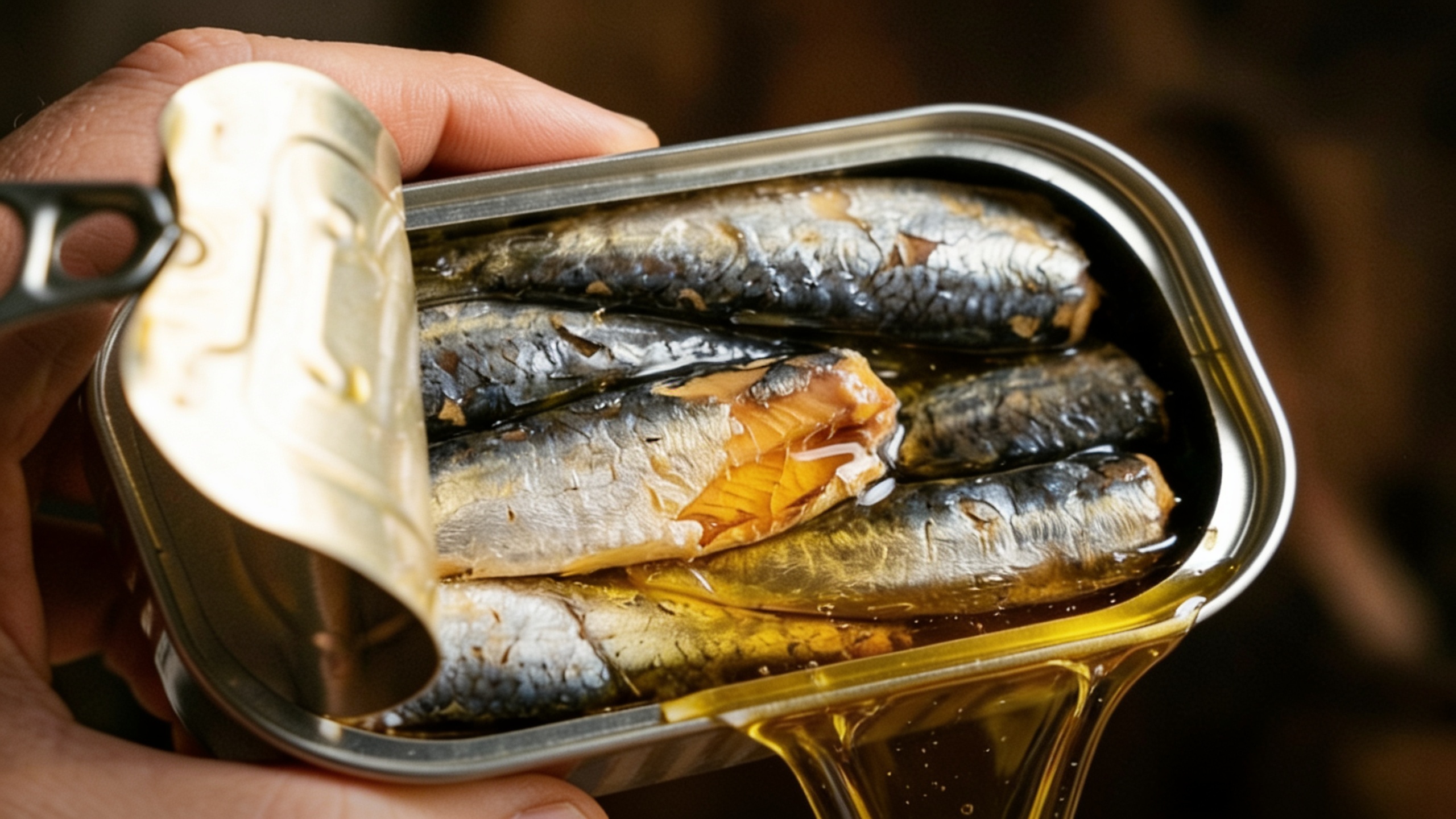
Behind the memes sits genuine clinical data, including a trial in which older adults with prediabetes saw their risk profile shift dramatically.
Could two cheap tins per week really rival a bottle of fish oil capsules?
Here is what the science supports, and where it still has gaps.
Jump to:
The Prediabetes Trial Behind the Buzz
A 2021 study by Díaz-Rizzolo and colleagues in Clinical Nutrition followed 152 adults over 65 with prediabetes for one year.
Participants in the sardine group ate roughly 200 grams weekly, equal to about two 100-gram tins.
Results were striking:
- Sardine group: share of participants in the highest-risk category for developing diabetes dropped from 37% to 8%
- Control group: same measure slipped only from 27% to 22%
That gap is enormous for a food-based intervention.
Why Caution Still Makes Sense
The trial was open-label, so volunteers knew which group they belonged to.
Awareness can change behavior, which means some benefit may reflect other lifestyle shifts. Larger, blinded replication studies would firm up the findings considerably.
Whole Fish Versus Capsules: The Food Matrix Argument
Large randomized trials of fish oil supplements, including ASCEND, VITAL and STRENGTH, delivered mixed cardiovascular results.
Researchers began asking whether isolated omega-3s miss something that real food supplies.
A 2023 review by Santos, May and Bueno in Frontiers in Nutrition made that case for sardines specifically. Their argument centers on the food matrix effect: nutrients arriving together may be absorbed and used more effectively than any single compound in a pill.
The picture here is more nuanced than social media suggests. That review offers a well-reasoned argument rather than a head-to-head trial pitting sardines against capsules, so “better than fish oil” remains a promising hypothesis, not a settled fact.
What One Tin Delivers
- EPA and DHA: identical omega-3s found in fish oil supplements
- Taurine: an amino acid linked with cardiovascular benefits
- Complete protein: all essential amino acids in one small can
- Vitamin B12: key for energy and nerve function
- Calcium: roughly 25% to 40% of daily needs in a bone-in tin, depending on brand and serving size
- Vitamin D3 and phosphorus: partners in absorption and bone structure
Few supplements pack such variety into a single, inexpensive serving.
A Possible Bonus for Aging Bones
Observational research cited by Eating Well links eating sardines at least weekly with a 33% lower risk of hip fractures.
Observational findings show association, not proof of cause. Still, the nutrient profile makes bone protection biologically plausible.
Low Mercury, Low Cost, Low on the Food Chain
Sardines sit near the bottom of the marine food chain, so they accumulate far fewer toxins such as mercury and PCBs than tuna or swordfish.
The FDA lists them as a “Best Choice” seafood, safe for frequent meals, including for pregnant women and older adults.
Price matters too. Tins usually cost far less than other high-quality animal proteins, and many MSC-certified options are widely available for eco-minded shoppers.
Why Prediabetes Makes This Timely
According to the CDC, about 96 million U.S. adults, roughly 1 in 3, have prediabetes.
Most remain unaware. Accessible, food-first strategies could matter enormously for such a huge group.
How to Start Eating Sardines
- Target two 100-gram tins weekly, mirroring the amount used in the trial
- Pick bone-in varieties to maximize calcium
- Pile them on whole-grain toast, toss into salads, or stir through pasta with lemon and herbs
- Scan labels for MSC certification and minimal additives
- Consult a healthcare provider first when managing diabetes, taking blood thinners, or following a medically supervised diet
The Bottom Line
Sardines offer a rare combination: affordable, nutrient-dense, low-toxin, and backed by promising clinical data.
Evidence does not yet prove they beat fish oil, and bigger blinded trials are needed. Even so, swapping processed snacks for a tin of fish looks like a *smart*, low-risk upgrade for most adults.
Sources
- Santos, May and Bueno, Frontiers in Nutrition (2023): https://doi.org/10.3389/fnut.2023.1107475
- Verywell Health, “What Is Sardinemaxxing?”: https://www.verywellhealth.com/what-is-sardinemaxxing-11949775
- Díaz-Rizzolo et al., Clinical Nutrition (2021): prediabetes and sardine consumption trial