A British sports technology company is making waves in elite athletics by funding groundbreaking research into blood-flow restriction training.
HYTRO, the innovative brand behind wearable blood-flow restriction equipment, has committed to supporting six full-time PhD researchers dedicated to exploring the science behind their performance-enhancing technology.

Their client list reads like a who’s who of international football, with multiple World Cup 2026 teams—including England—relying on their cutting-edge kit to optimize training and recovery.
But what exactly makes this technology worth such substantial investment in academic validation?
Jump to:
What Is Blood-Flow Restriction Training?
Blood-flow restriction (BFR) training involves applying controlled pressure to limbs during exercise, partially restricting venous blood flow while maintaining arterial circulation.
This technique creates metabolic stress similar to high-intensity training, but allows athletes to achieve results using significantly lighter loads.
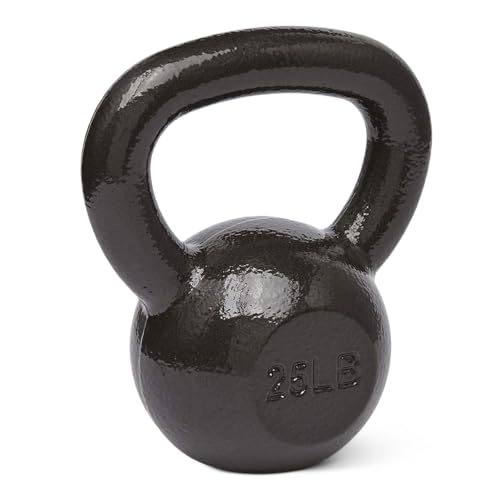
If you want something simple that actually works, this is one of the most effective tools I’ve used to build strength, conditioning, and endurance without needing a full gym setup.
- Full-body training with one weight using swings, squats, and presses
- Solid cast iron build that feels stable and lasts for years
- Comfortable grip that makes high-rep workouts easier to handle
For professional athletes managing demanding schedules and injury risks, this represents a game-changing approach to maintaining fitness without excessive mechanical stress on joints and muscles.
Why Elite Teams Are Embracing This Technology
HYTRO’s wearable devices have earned trust among top-tier athletic programs worldwide. The brand’s presence at World Cup 2026 highlights how seriously elite performance teams take this training modality.
England’s adoption of HYTRO equipment speaks volumes about the technology’s credibility. National teams preparing for high-stakes competitions like the World Cup need every legitimate advantage available.
Blood-flow restriction training offers several compelling benefits for professional athletes:
- Reduced mechanical stress on recovering tissues
- Muscle growth and strength gains with lighter weights
- Faster recovery between intense training sessions
- Maintained fitness during injury rehabilitation
- Enhanced endurance without high-volume training
These advantages become particularly valuable during tournament preparation, when players must peak physically while minimizing injury risk.
The Research Investment That Sets HYTRO Apart
What distinguishes HYTRO from competitors isn’t just their technology—it’s their commitment to rigorous scientific validation.
If you want something simple that actually works, this is one of the most effective tools I’ve used to build strength, conditioning, and endurance without needing a full gym setup.
- Full-body training with one weight using swings, squats, and presses
- Solid cast iron build that feels stable and lasts for years
- Comfortable grip that makes high-rep workouts easier to handle
By funding six full-time PhD researchers, the company demonstrates unusual dedication to evidence-based product development. This level of investment signals confidence in their methodology and genuine interest in advancing sports science.
Most fitness technology companies rely on existing research or conduct limited in-house studies. HYTRO’s approach of supporting independent doctoral research represents a higher standard of scientific credibility.
These researchers examine critical questions about optimal pressure levels, training protocols, safety parameters, and performance outcomes across different athletic populations.
How Research Translates to Real-World Performance
Academic research doesn’t just validate HYTRO’s existing products—it actively shapes product development and user protocols.
PhD studies help identify precise pressure settings for different body types, optimal training durations, and ideal exercise combinations. This evidence-based refinement ensures athletes receive maximum benefit with minimal risk.
For teams like England preparing for Mexico’s challenging altitude conditions at World Cup 2026, research-backed protocols become even more valuable.
If you want something simple that actually works, this is one of the most effective tools I’ve used to build strength, conditioning, and endurance without needing a full gym setup.
- Full-body training with one weight using swings, squats, and presses
- Solid cast iron build that feels stable and lasts for years
- Comfortable grip that makes high-rep workouts easier to handle
Blood-Flow Restriction Beyond Elite Athletics
While HYTRO’s high-profile clients generate headlines, blood-flow restriction training holds promise for everyday fitness enthusiasts and rehabilitation patients.
Older adults struggling to lift heavy weights can build strength with lighter resistance. Individuals recovering from surgery can maintain muscle mass during restricted activity periods.
Research-validated applications extend across multiple populations:
- Post-surgical rehabilitation patients
- Aging individuals combating sarcopenia
- Athletes managing chronic injuries
- Recreational lifters seeking efficient training methods
- Physical therapy clients with movement limitations
The same mechanisms that help elite footballers recover between matches can help ordinary people maintain fitness when traditional training proves too demanding.
Safety Considerations and Professional Guidance
Blood-flow restriction training requires proper implementation to ensure safety and effectiveness.
Inappropriate pressure levels, excessive duration, or contraindicated medical conditions can create risks. This explains why research-backed protocols and quality equipment matter significantly.
If you want something simple that actually works, this is one of the most effective tools I’ve used to build strength, conditioning, and endurance without needing a full gym setup.
- Full-body training with one weight using swings, squats, and presses
- Solid cast iron build that feels stable and lasts for years
- Comfortable grip that makes high-rep workouts easier to handle
HYTRO’s investment in PhD research helps establish safety guidelines that protect users. Their collaboration with World Cup teams also provides real-world validation under demanding conditions.
Anyone considering blood-flow restriction training should consult qualified professionals familiar with current evidence and proper protocols.
What Makes Quality BFR Equipment Different
Not all blood-flow restriction devices offer equivalent safety or effectiveness.
Quality systems provide precise pressure control, comfortable cuff design, and research-validated parameters. Inferior products may apply inconsistent pressure or lack safety features.
HYTRO’s reputation among elite teams reflects their attention to these critical details. When national squads trust equipment for World Cup preparation, that speaks to rigorous quality standards.
The Future of Performance Training
Blood-flow restriction training represents broader trends in sports science toward efficiency and injury prevention.
If you want something simple that actually works, this is one of the most effective tools I’ve used to build strength, conditioning, and endurance without needing a full gym setup.
- Full-body training with one weight using swings, squats, and presses
- Solid cast iron build that feels stable and lasts for years
- Comfortable grip that makes high-rep workouts easier to handle
As research continues expanding our understanding of metabolic stress and muscle adaptation, training methodologies will become increasingly sophisticated. Companies investing in legitimate scientific investigation will lead this evolution.
HYTRO’s commitment to funding PhD research positions them at this innovation frontier. Their work with World Cup teams provides invaluable testing grounds for emerging protocols.
For athletes at all levels, this marriage of cutting-edge technology and rigorous science promises more effective training with reduced injury risk—a combination that could reshape how we approach physical development and rehabilitation.
Whether preparing for international competition in Mexico or simply seeking smarter training methods, evidence-based approaches backed by substantial research investment offer the most promising path forward.