

WOD Science, a YouTube channel dedicated to breaking down exercise physiology research, recently released a video exploring a new study on post-workout nutrition. The findings suggest that delaying carbohydrate intake after intense exercise can reduce next-day performance by up to 30%.
While many athletes wait hours before refueling—often due to a lack of appetite after high-intensity training—this research highlights why consuming carbohydrates sooner may be key to faster recovery and better performance.
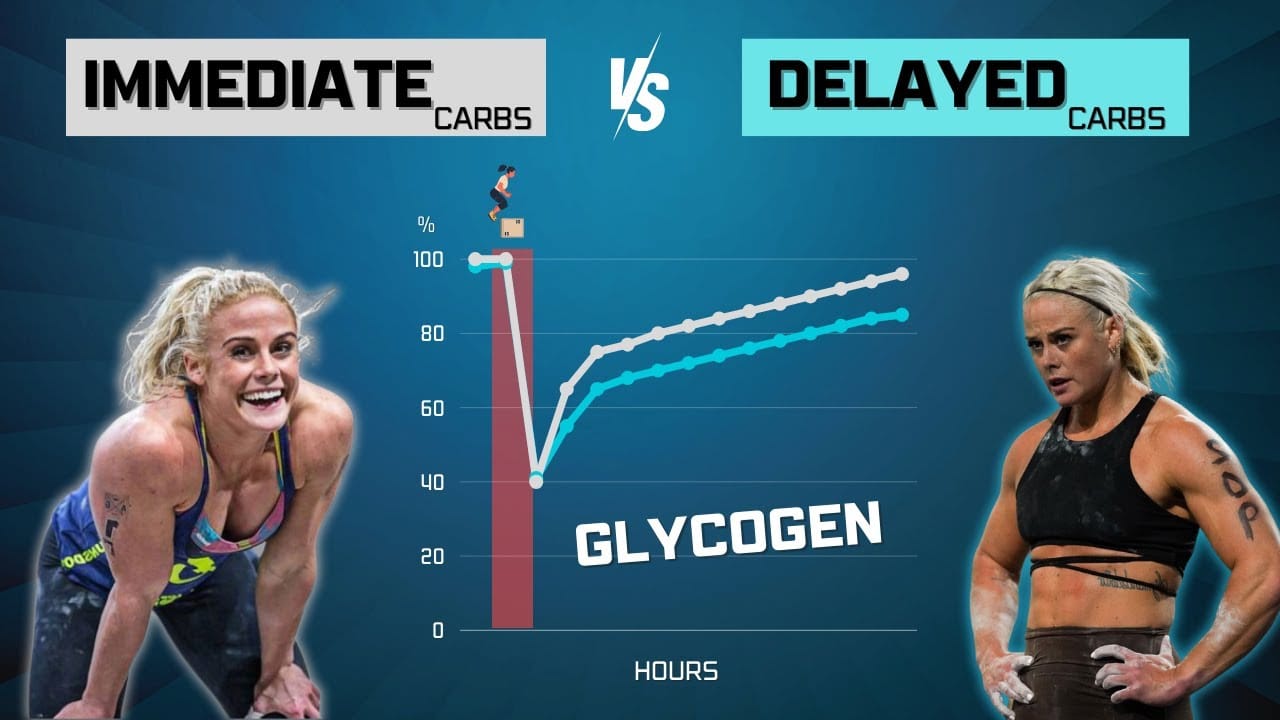
Here’s a closer look at the study, how glycogen impacts recovery, and why athletes may want to rethink their post-workout nutrition strategies.
Jump to:
How the Body Uses Energy During Exercise
Muscles rely on adenosine triphosphate (ATP) for energy, which is continuously regenerated from the food consumed. During high-intensity exercise, the body primarily depends on carbohydrates and fats for fuel.
Carbohydrates serve as a more efficient energy source because they provide more power per unit of oxygen than fats. This makes them the preferred fuel for short, intense workouts like CrossFit, HIIT, or sprinting.
However, carbohydrate storage in the body is limited. The average person stores about:
- 500 grams of glycogen in muscles
- 100 grams in the liver
- 5 grams in the bloodstream
Since one gram of glycogen provides about 4 kilocalories, total glycogen stores offer roughly 2,000–3,000 kilocalories of energy. Once these reserves are depleted, performance declines, making glycogen replenishment essential for recovery.
How Glycogen Affects Recovery and Performance
After an intense workout, glycogen stores must be replenished for muscles to recover. This happens in two phases:
- Fast glycogen recovery (0–1 hour post-exercise):
- Triggered by muscle contractions.
- Uses glucose transporter 4 (GLUT4) to rapidly move glucose into muscle cells.
- Slow glycogen recovery (several hours post-exercise):
- Driven by insulin.
- Relies on dietary carbohydrates to restore glycogen gradually.
Since GLUT4 activation occurs immediately after exercise, the muscles are most receptive to glucose uptake during this time. Delaying carbohydrate intake may slow glycogen replenishment and impact recovery.
The Study: How Delayed Carbohydrate Intake Affects Performance
A recent study examined the effects of delayed carbohydrate consumption on next-day performance.
Study Design
- Participants: 9 active male students.
- Workout Protocol:
- 10 rounds of 2-minute high-intensity intervals at 94% peak power output.
- 1-minute rest between rounds.
- Nutritional Intervention:
- One group consumed carbohydrates immediately post-exercise (2.4g per kg body weight).
- The other group waited three hours before eating carbohydrates.
- Performance Test (Next Day):
- Participants repeated the same workout to exhaustion.
Key Findings
- Muscle glycogen recovery was similar between the groups.
- Next-day performance was 30% lower in those who delayed carbohydrate intake.
- Perceived effort was higher in the delayed carbohydrate group, meaning exercise felt harder.
These results suggest that even if glycogen levels appear similar, delaying carbohydrate intake negatively affects recovery and endurance.
Why Immediate Carbohydrate Intake Matters
The study’s findings are particularly relevant for athletes and individuals performing high-intensity exercise. While total carbohydrate intake over 24 hours was the same for both groups, those who delayed consumption struggled more in their next workout.
This suggests that glycogen is not the only factor affecting recovery. Other mechanisms, such as hormonal responses, muscle repair processes, and brain signaling, may also play a role.
Practical Tips for Post-Workout Nutrition
Even if hunger is low after an intense workout, consuming some carbohydrates can help kickstart recovery. Here are a few simple options:
- Banana or fruit smoothie
- Rice cakes with honey
- Sports drinks with electrolytes
- Oatmeal with a protein source
For those engaging in high-intensity workouts like CrossFit, HIIT, or endurance training, prioritizing carbohydrate intake post-exercise may enhance performance and reduce fatigue.
Bottom Line
Delaying carbohydrate intake after intense exercise can lead to a 30% drop in next-day performance, even if total carbohydrate consumption remains the same. This underscores the importance of refueling immediately after a workout to maximize recovery.
To support muscle repair and sustained performance, consuming carbohydrates within the first hour post-exercise may be a simple but effective strategy for better training results.










