In the world of strength training, few names command more respect than Charles Poliquin.
Known as the strength sensei, Poliquin coached more than 800 Olympic athletes and elite competitors across 20 different sports — from long jumpers and NHL MVPs to IFBB pros and gold-medal wrestlers.
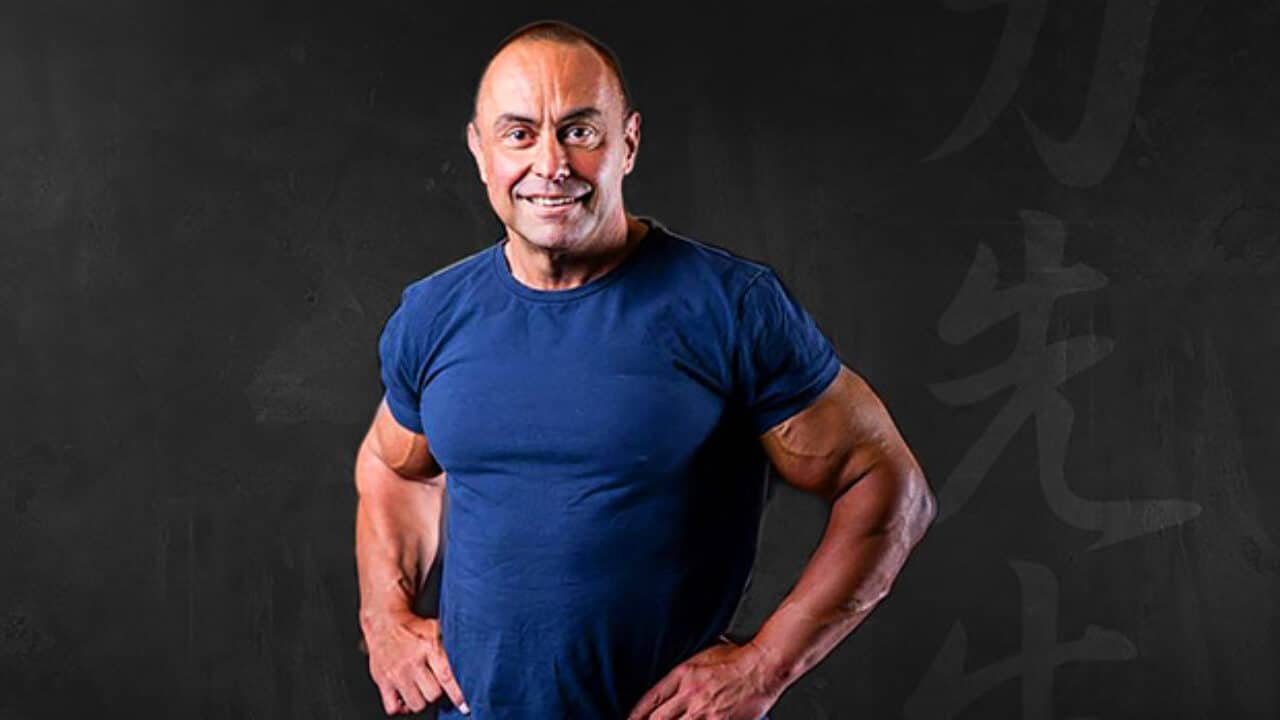
What made him different? He didn’t just train harder — he trained smarter. Every program he created was rooted in science, personalized for the athlete’s neurochemistry, and battle-tested in his real-world lab of elite performers.
And while some coaches chased trends, Poliquin quietly shaped a generation of strength athletes with methods that were often 20 years ahead of the research.
This article pulls back the curtain on the core principles he used to build world-class strength — and the evidence-based hypertrophy secrets that made him a legend.
Jump to:
Train the Nervous System First — Not Just the Muscles
Most lifters make one big mistake as they age: they chase muscle fatigue instead of focusing on neurological efficiency.
Charles Poliquin flipped that script.
He believed that real strength — the kind that lasts — starts in the nervous system. The ability to produce force, control movement, and recruit high-threshold motor units isn’t just a product of muscle tissue. It’s a skill developed through focused neural training.
“You don’t just train muscles — you train the nervous system that controls them,” Poliquin emphasized.
Here’s how to put this principle into practice.
Start With a Neural Emphasis Training Phase
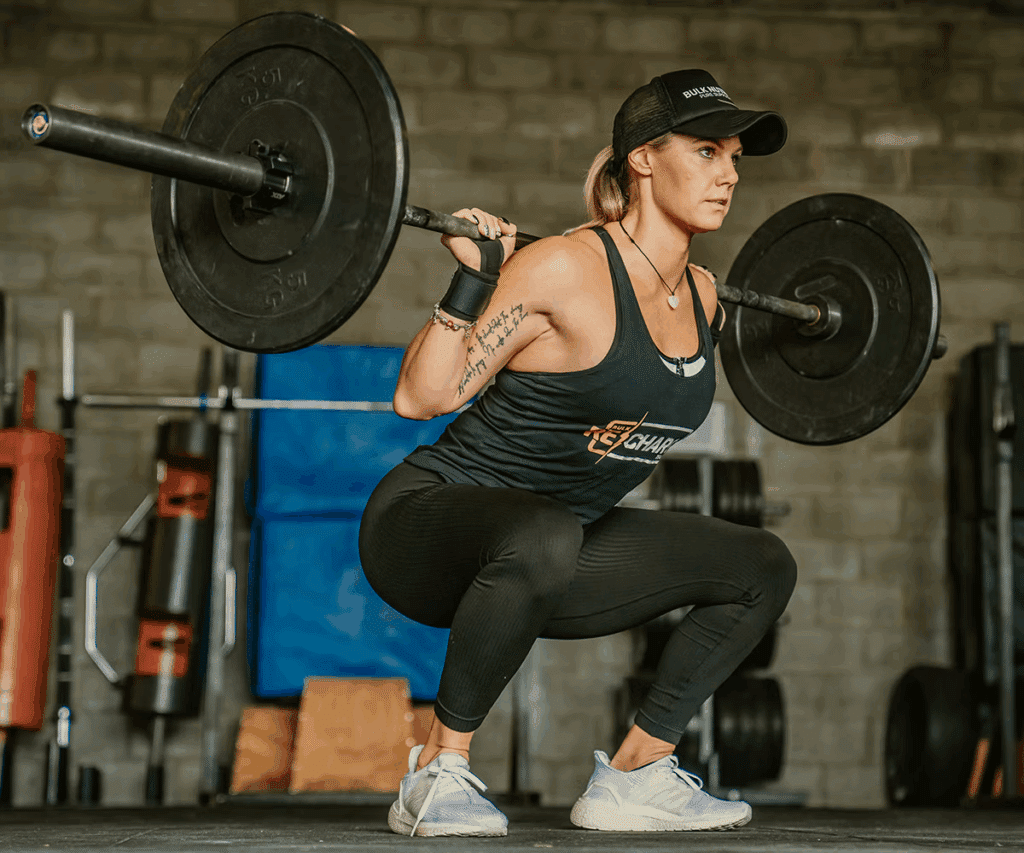
Before jumping into high-volume hypertrophy or metabolic conditioning, begin with 3–6 weeks focused on relative strength. This primes the nervous system for everything that follows and helps preserve fast-twitch muscle fibers — which naturally decline with age.
Program structure:
- Reps: 1–5 per set
- Sets: 4–6
- Intensity: 85–100% of 1RM
- Rest intervals: 2–4 minutes between sets
- Focus: Maximal intent and perfect form
The goal is explosive force and motor unit recruitment, not grinding reps to failure.
Use Cluster Training to Lift Heavier — Without Overloading Joints
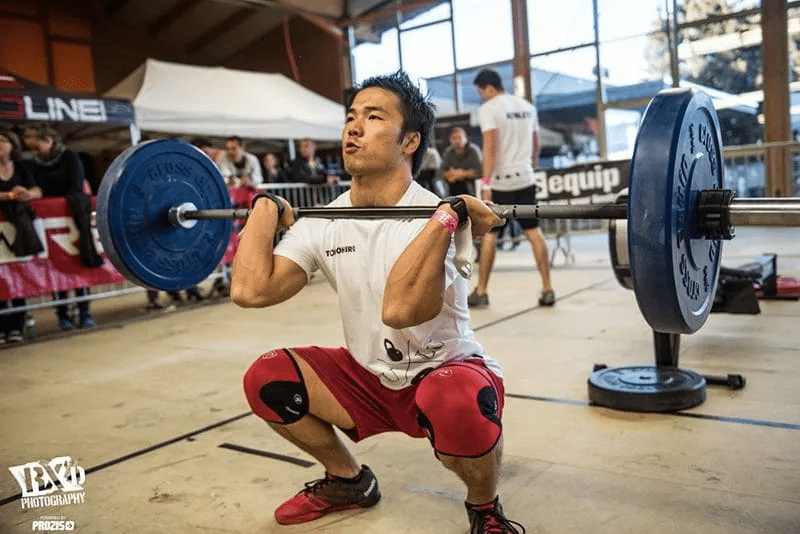
Cluster sets were one of Poliquin’s signature methods. The concept is simple: break up your sets with brief rest intervals between reps to allow partial recovery and maintain peak output.
Example:
- Instead of 5 straight reps at 90%, do
→ 1 rep → rest 15 seconds → 1 rep → rest 15 seconds… until all 5 reps are complete.
This allows you to maintain better technique, use higher loads, and accumulate more volume in the high-force zone — which is critical for preserving strength as you age.
Why it works:
- Reduces risk of injury compared to all-out straight sets
- Improves neural drive
- Minimizes systemic fatigue
Prioritize Big, Compound Lifts — But Cycle the Variations
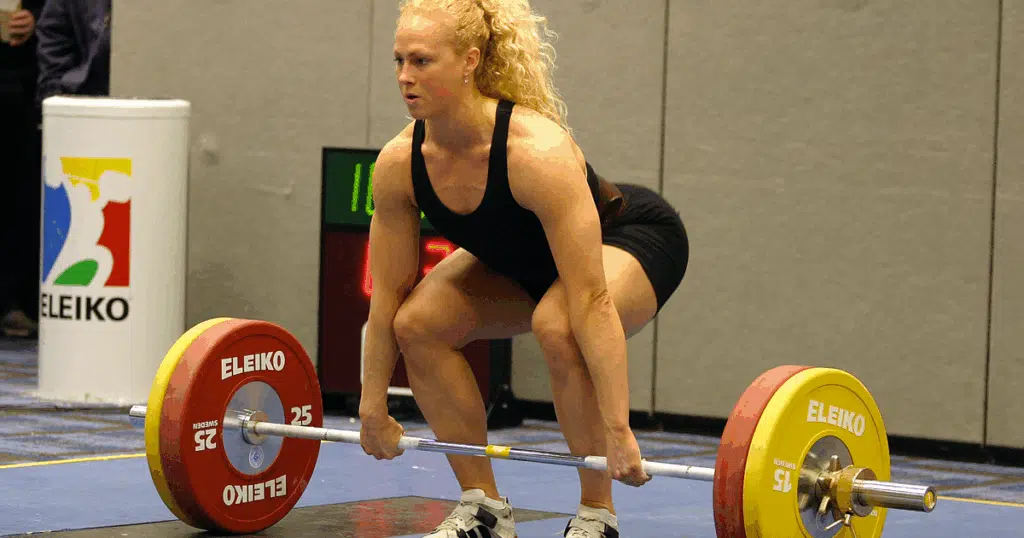
The nervous system loves technical, multi-joint lifts — squats, deadlifts, overhead pressing, weighted chins.
But to avoid joint wear, Poliquin rotated exercises weekly or biweekly, altering:
- Grip width
- Bar type (e.g., safety squat, cambered bar)
- Range of motion (e.g., box squats, deficit deadlifts)
- Tempo and stance
This kept the movement pattern familiar enough for neural development but novel enough to avoid overuse injuries.
“Don’t fall in love with your lifts. Fall in love with your results,” he said.
Train Explosiveness — Even Without Olympic Lifting
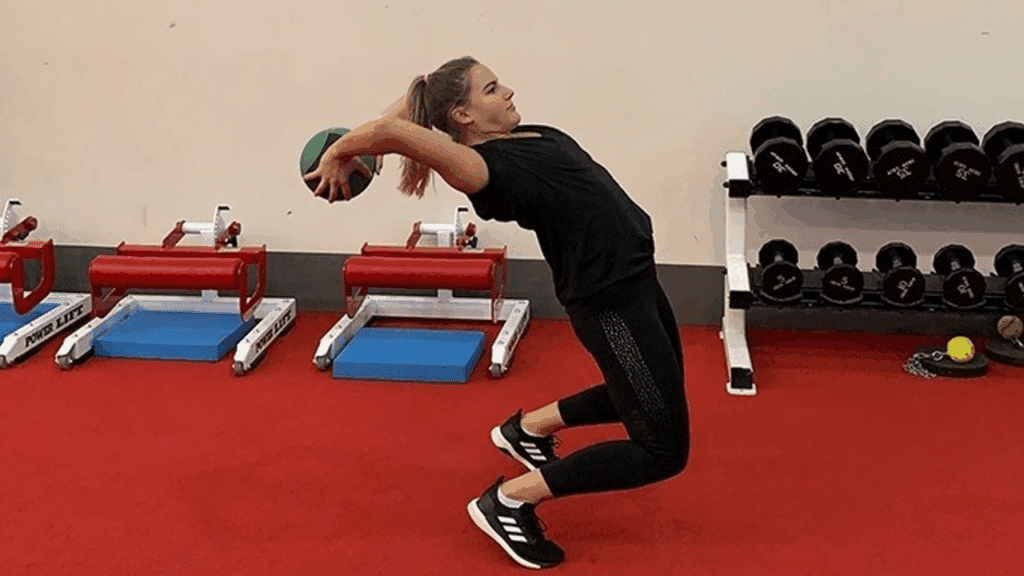
Power output declines rapidly with age — unless you train it.
Poliquin used variations of controlled explosive work even in older clients. You don’t have to be a weightlifter to do it. Movements like:
- Weighted jumps
- Medicine ball throws
- Speed bench presses with bands
- Trap bar deadlift “pop” reps (intentional fast concentric, controlled eccentric)
These safely stimulate the central nervous system and keep you athletic.
Guideline:
- Focus on velocity, not weight
- 3–5 sets
- 3–5 reps
- 40–60% of 1RM (for speed work)
Avoid Neurological Overload
Older lifters need to train the nervous system — not fry it.
To stay fresh:
- Never max out two lifts on the same day
- Limit heavy neural work to 2–3 sessions per week
- Use breathing, magnesium, and sleep to accelerate recovery
Poliquin also rotated between high-output days (neural focus) and volume-based days (hypertrophy or structural balance) to manage total stress.
Track Your Progress Like a Scientist
Charles wasn’t just intuitive — he was analytical.
To measure neurological progress, he tracked:
- Vertical jump height
- 1RM to bodyweight ratio
- Strength-to-weight ratios (e.g., chin-ups with added weight)
- Reps completed at a percentage of 1RM
If those numbers were improving, the nervous system was adapting — and the athlete was gaining real-world strength.
Master Tempo to Control Hypertrophy
Poliquin wasn’t just obsessed with sets and reps — he cared deeply about tempo. Each exercise had a four-digit prescription, like 4010 or 6020, which dictated the speed of every phase of a lift.
For example, a 4010 tempo meant:
- 4 seconds eccentric (lowering)
- 0 seconds pause at bottom
- 1 second concentric (lifting)
- 0 seconds pause at top
Why did it matter? Time under tension stimulates hypertrophy — especially during the eccentric phase. Slowing it down increases muscle damage, boosts metabolic stress, and builds strength in a way that fast, sloppy reps never could.
“Most people miss gains because they lift weights — they don’t train muscles,” he once told students.
Hypertrophy training under Poliquin typically used:
- 6–12 reps per set
- 3–4 sets per exercise
- Controlled tempo (e.g., 4010 or 4020)
- Rest: 60–90 seconds
Match the Training to the Brain: Neurotransmitter Typing
One of Poliquin’s most innovative (and controversial) ideas was that your neurotransmitter profile should influence your training.
Some athletes — like dopamine-dominant types — thrive on intensity, novelty, and challenge. Others — like GABA- or serotonin-dominant athletes — need stability, repetition, and longer recoveries.
“You can’t train every athlete the same. The same squat program that works for one can ruin another,” Poliquin explained.
To identify an athlete’s profile, he recommended the Braverman Test, a free assessment that categorized people based on brain chemistry dominance.
Neurotype examples:
- Dopamine-dominant: Explosive, thrives on intensity and variation; best with frequent heavy lifting and novelty.
- Acetylcholine-dominant: Creative, athletic, adaptable; ideal for complex lifts and strategic periodization.
- GABA-dominant: Calm, methodical; responds well to consistent, lower-volume training with structured progression.
- Serotonin-dominant: Patient, introverted; thrives on routine, long rest intervals, and steady-state progress.
Once he knew the neurotype, Poliquin adjusted:
- Exercise selection
- Rep ranges
- Rest intervals
- Frequency of variation
This level of training personalization remains rare even today — but was central to Poliquin’s success across so many sports.
Don’t Just Train Hard — Recover Like a Professional
Building muscle and strength doesn’t happen in the gym — it happens during recovery. Poliquin insisted on perfect nutrition, blood testing, and sleep hygiene as non-negotiable.
He often said, “You’re only as strong as your recovery systems.”
One of his favorite strategies:
- Blood work every 8–12 weeks to monitor insulin sensitivity, thyroid health, and inflammation markers.
- High-dose omega-3s (up to 30–40g/day) to support fat loss, joint health, and brain function.
- Targeted supplements like magnesium, zinc, and adaptogens based on lab results.
He also used gotu kola for skin elasticity, collagen synthesis, and post-weight-loss recovery — a tip that’s helped many clients with loose skin or stretch marks after massive transformations.
Results Matter More Than Peer-Review
Poliquin’s critics often claimed he wasn’t “scientific” because he didn’t wait for randomized controlled trials.
His response?
“Clinical experience beats research every time. I’ve tested it on hundreds of Olympic athletes. I don’t need a study to tell me what works.”
But over time, research did catch up. Cluster training, tempo manipulation, high-dose fish oil — all later confirmed in journals — were first developed in Poliquin’s gym, not a lab.
He believed training was part science, part art, and that you needed both to create world-class results.
Final Takeaway: Personalization Over Perfection
There’s no single best program, diet, or supplement.
Charles Poliquin’s legacy is this: find what works for you — and then double down on it.
Whether you’re chasing Olympic gold or your first 315-pound squat, the path is the same:
- Build a strong nervous system.
- Use advanced methods like tempo and cluster sets.
- Match training to your brain chemistry.
- Prioritize blood testing and recovery.
- Never stop refining your plan.
That’s how strength is built — and that’s how legends like Poliquin trained the best athletes in the world.