Ever wondered why sitting into a deep squat—a position so common in Eastern cultures—is so hard in the West?
While many people in Asia can rest comfortably in what’s called the “Asian squat,” Westerners often topple backward or lift their heels just to stay balanced. This isn’t just a cultural difference; it’s biomechanics in action.
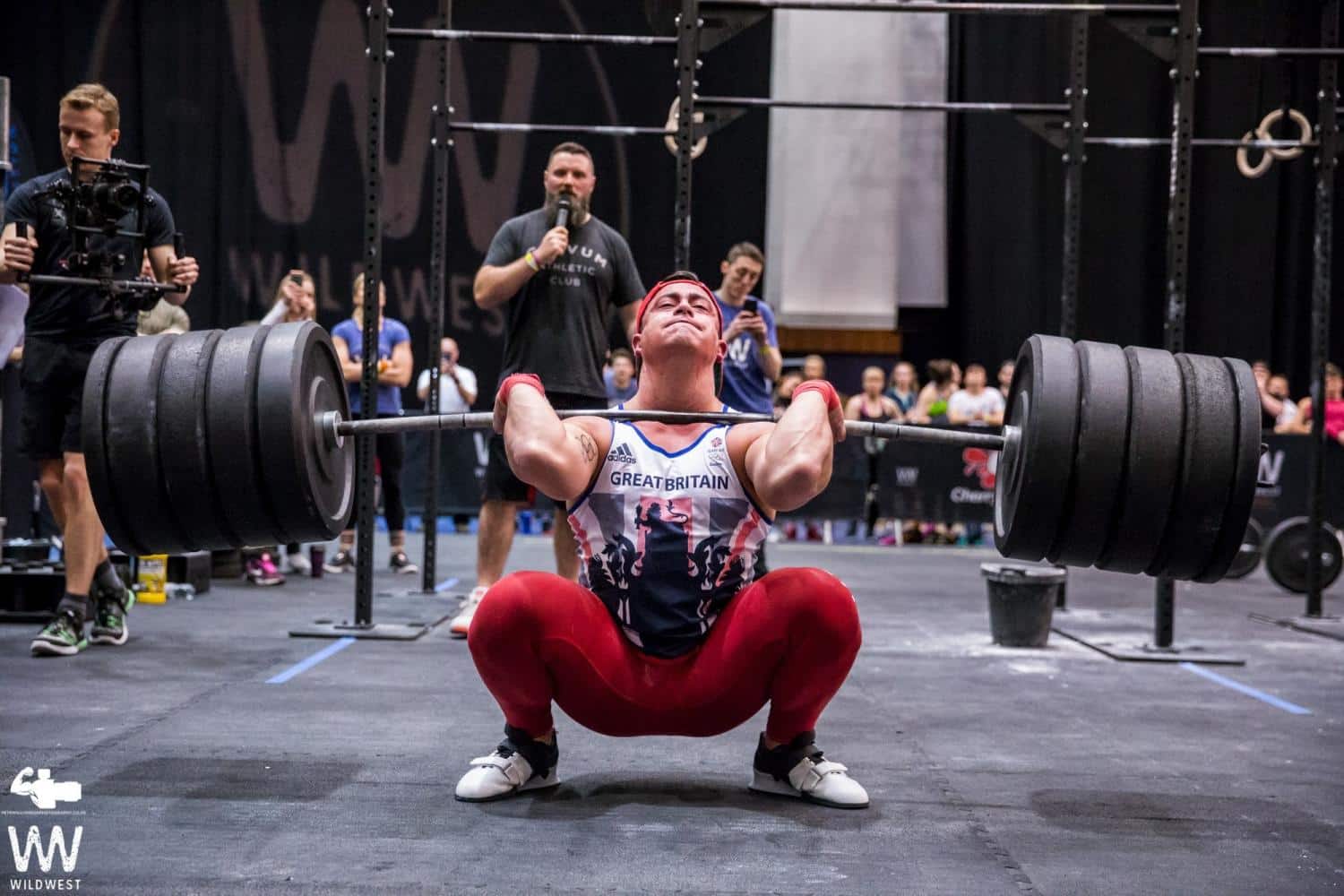
Understanding the limitations holding you back and knowing how to overcome them can unlock better mobility, enhanced strength, and even pain-free movement in your daily life.
Here’s exactly why your squat sucks—and how to fix it, starting today.
Jump to:
Why the Deep Squat Doesn’t Come Naturally
Biomechanically, squatting requires a complex combination of movements across multiple joints. When even one element is off, the whole structure falls apart. That’s why so many people in the West find the deep squat uncomfortable or even painful.
The key components of a deep squat include:
- Ankle dorsiflexion: The ability for your toes to move toward your shins.
- Hip flexion and external rotation: Drawing the thigh toward the torso while the thighbone slightly rotates outward.
- Knee flexion: Allowing the back of the thighs to meet the calves.
- Center of mass over the midfoot: Staying balanced—without falling forward or backward.
The most critical of these? Centering your weight over your midfoot. Without that, the squat becomes unstable fast.
The Real Problem: Ankle Mobility
As you lower into a squat, your pelvis and thighs shift backward. To compensate and stay balanced, something must move forward—your knees. This is perfectly natural, and the only way it happens comfortably is through ankle dorsiflexion.
Without enough ankle mobility, your knees can’t move far enough forward, shifting your bodyweight backward. That’s when you see the common Western workaround: lifting the heels. While this helps maintain balance, it doesn’t solve the root problem.
“Most people think squats are all about hip mobility or glute strength, but if your ankles can’t move, you’re stuck,” one mobility coach explains. “Lack of dorsiflexion limits the entire system.”
Other Culprits That May Be Holding You Back
1. Tight Quads
Although less common, tight quadriceps can limit how close your hamstrings can sit against your calves. This makes it impossible to reach full knee flexion, a necessary shape in the deep squat.
If your quads scream the moment you try to sit on your heels, chances are this is part of your issue. Incorporating quad stretches like couch stretches or kneeling lunges can help restore length.
2. Poor Hip Compression
“Everyone talks about hip mobility—but what we really need is hip compression,” says one movement specialist. That means actively pulling the thighs toward your torso.
This involves more than flexibility—it demands strength from your hip flexors, an often neglected muscle group due to prolonged sitting. Weak hip flexors can’t generate enough pull, causing you to fall backward during a squat.
To improve compression, integrate exercises like:
- Supine knee lifts
- Active leg lowering drills
- Hanging leg raises
Strong, mobile hips play a vital role in achieving squat depth without losing balance or overcompensating with other muscle groups.
3. Your Proportions Matter
If you’ve got longer femurs (thigh bones), squatting deep becomes even trickier. Your center of mass shifts further backwards, requiring more forward motion in the knees and better ankle and hip mobility just to stay centered.
“If it feels like your body just wants to tip over backwards when you squat—it could just be the geometry of your bones,” says one flexibility coach. “It doesn’t mean you can’t squat, but it does mean you have to adjust your approach.”
Using heel wedges, widening your stance, or slightly turning out the toes are all valid techniques to accommodate longer limbs—just remember, the goal is control, not perfection.
How to Instantly Test Your Ankle Mobility
Before blaming your hips or your femurs, the fastest way to assess squat potential is an ankle mobility test. One common method is the “knee to wall test”:
- Start kneeling in front of a wall with your toes a few inches away.
- Try to touch your knee to the wall without lifting your heel.
- If you can’t make contact or your heel pops up, it’s a clear sign of limited dorsiflexion.
If that’s the case, your squats will always be compromised until you improve that range of motion.
The Fix: Four Exercises to Improve Ankle Mobility
Improving dorsiflexion is not a quick fix—but it is trainable. These four exercises can dramatically improve your squat depth over time:
1. Banded Ankle Distractions
Using a resistance band to gently pull the ankle joint open improves joint glide and mobility.
2. Weighted Knee Drives
With a small weight on the knee, drive the front knee forward while keeping the foot flat, mimicking the squat angle on a micro level.
3. Eccentric Calf Raises
Slowly lowering the heel below a step increases the length and strength in the calves through a full range of motion.
4. Foam Rolling the Calves
Tight calf muscles can limit dorsiflexion. Spend 1–2 minutes per side breaking up restrictions.
Squat Smarter: Final Tips
Improving your deep squat isn’t about stretching randomly or pushing through pain. It’s about understanding what’s holding you back—whether it’s ankles, hips, quads, or body proportions—and working with intention.
Start by mastering your ankle mobility, then build strength in your hip flexors and glutes to control the deep position. Every small adjustment adds up.
For the majority of people, the root of the problem is the same: stiff ankles. Improve that one factor, and your entire squat has room to grow.
Want to know exactly how to fix ankle mobility from the ground up? Check out the follow-up guide with a mobility test and step-by-step exercises to unlock your range.