In a recent podcast interview with host Alberto, cardiologist Dr. Aseem Malhotra made a claim guaranteed to raise eyebrows.
His argument: fear of cholesterol has become a trillion-dollar industry built on shaky foundations.

Chronic stress, he says, may damage hearts far more than most people realize.
Even the beloved six-pack gets a surprising verdict.
Here is what he said, and where the wider evidence pushes back.
Jump to:
The Number One Driver of Heart Disease
Malhotra, a consultant cardiologist with 25 years of experience, has shifted from keyhole heart procedures toward prevention. He focuses on coronary artery disease, where the vessels feeding the heart muscle become damaged and blocked.
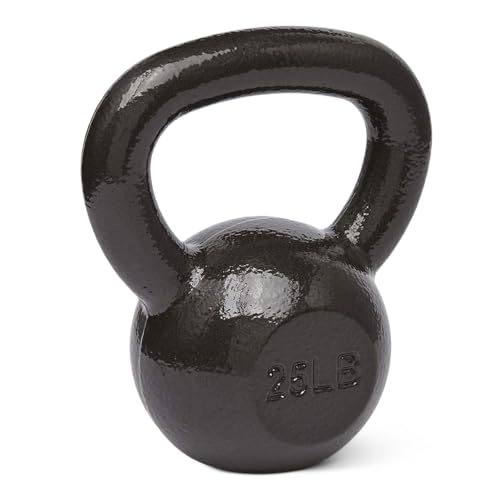
If you want something simple that actually works, this is one of the most effective tools I’ve used to build strength, conditioning, and endurance without needing a full gym setup.
- Full-body training with one weight using swings, squats, and presses
- Solid cast iron build that feels stable and lasts for years
- Comfortable grip that makes high-rep workouts easier to handle
Traditional risk factors include high blood pressure, high cholesterol, type 2 diabetes and smoking. His own ranking puts something else on top.
The biggest driver is insulin resistance.
Insulin resistance develops when cells stop responding properly to the hormone insulin. Malhotra says chronically elevated insulin is directly toxic to the inner lining of the arteries.
Refined carbohydrates, sugar and ultra-processed foods sit at the top of his list of culprits. His encouraging twist: diet changes can improve insulin resistance within weeks, sometimes days.
Insulin resistance is firmly linked to heart disease risk. Whether it outranks every other factor remains debated, so treat his hierarchy as one expert’s view rather than settled consensus.
Is Stress Really Like Smoking 20 Cigarettes a Day?
Chronic stress is equivalent to smoking 20 cigarettes a day when it comes to the heart and heart disease.
That comparison is punchy, but it works better as a rhetorical device than as a precise measurement. Stress does raise cardiovascular risk, though no firm cigarette-equivalent figure is widely accepted.
Malhotra explains the biology through evolution. Facing a saber-tooth tiger, the brain signals bone marrow to produce clotting factors, which reduces bleeding risk if attacked.
If you want something simple that actually works, this is one of the most effective tools I’ve used to build strength, conditioning, and endurance without needing a full gym setup.
- Full-body training with one weight using swings, squats, and presses
- Solid cast iron build that feels stable and lasts for years
- Comfortable grip that makes high-rep workouts easier to handle
Now imagine a low-grade version of that response running for years. He cites a 2021 imaging study linking an overactive amygdala, the brain’s emotional center, to inflammation markers and later heart attacks.
The Quick Stress Check
Malhotra asks patients to rate average stress over recent years from 0 (a Himalayan monk) to 10 (extreme). Among those with heart problems, scores of seven or eight are common.
Other clues include poor sleep and rapid chest breathing. His clinic nurse teaches diaphragmatic breathing, and he reports blood pressure drops of up to 30 mm of mercury after sessions.
The Cholesterol Claim That Divides Cardiology
At best, high cholesterol is a weak risk factor for heart disease, and at worst, it’s not a risk factor at all.
He goes further, arguing that LDL, the so-called bad cholesterol, is not bad at all. In his view, triglycerides and HDL matter most, ideally with triglycerides lower than HDL.
Here the picture is far more contested than he suggests. Major cardiology bodies and most guidelines still treat elevated LDL as a causal contributor to atherosclerosis, and statins remain standard care for many patients.
Malhotra counters that guidelines are shaped by industry-funded research. He calls statin benefits marginal, about 1% in his reading of the data.
If you want something simple that actually works, this is one of the most effective tools I’ve used to build strength, conditioning, and endurance without needing a full gym setup.
- Full-body training with one weight using swings, squats, and presses
- Solid cast iron build that feels stable and lasts for years
- Comfortable grip that makes high-rep workouts easier to handle
Never stop a prescribed medication without talking to your own doctor first. That advice holds whichever side of this debate feels more convincing.
Saturated Fat and Keto
Malhotra calls saturated fat neutral for the heart. His condition: extra virgin olive oil as the base fat, after which he says red meat, butter and cheese are not a concern.
Many nutrition researchers disagree, and guidelines still advise limiting saturated fat. Evidence here is genuinely mixed, so individual context matters.
Blood Pressure Pills Under Scrutiny
Malhotra agrees that high blood pressure is the biggest global risk factor for death, largely through stroke. Severely uncontrolled pressure above 180/110 carries serious danger, with roughly 25% stroke risk over a year by his account.
His target is mild hypertension, between 140 and 160 systolic. He argues drug trials showed no difference in heart attacks, strokes or deaths for treated patients in that range.
You’ve got a high side effect rate. You’ve got illusion of protection.
He estimates 10% of patients suffer quality-of-life side effects. He also believes about half of high blood pressure traces to insulin resistance, versus the textbook line that 95% has no known cause.
If you want something simple that actually works, this is one of the most effective tools I’ve used to build strength, conditioning, and endurance without needing a full gym setup.
- Full-body training with one weight using swings, squats, and presses
- Solid cast iron build that feels stable and lasts for years
- Comfortable grip that makes high-rep workouts easier to handle
Mainstream guidelines continue to recommend treatment for many people in that mild range, especially with other risk factors. Malhotra himself admits no trial proves lifestyle changes prevent heart attacks, relying instead on common sense that quality of life improves.
Can You Exercise Too Much?
I’ve diagnosed severe heart disease in people who are in their mid-40s and 50s who have six-packs.
His warning applies mainly to extreme volume combined with high stress, poor sleep and a high-carb diet. He cites over 300 minutes of weekly cardio as the danger zone, and says about 11% of elite athletes show severe coronary calcification by age 50.
Research does show some endurance athletes carry more coronary calcium. What that means for outcomes remains unclear, and regular exercise overall is strongly protective for most people.
His prescription is simple. Aim for 150 minutes weekly of zone 2 cardio, roughly 60 to 70% of a maximum heart rate estimated as 220 minus age.
- Zone 2 cardio: about 30 minutes, five times weekly
- High-intensity intervals: once or twice weekly at most, less if stressed or sleeping poorly
- Daily movement: walking, as in longevity-rich “blue zone” communities
On six-packs, he is blunt but fair. Better than a pot belly, yes, though not proof of health.
We shouldn’t let perfection be the enemy of good.
A Perfect Day for Your Heart, Malhotra Style
His own routine begins the night before. He reaches bed by 8:30 p.m., with no screens for two hours beforehand, and wakes near 4 a.m.
If you want something simple that actually works, this is one of the most effective tools I’ve used to build strength, conditioning, and endurance without needing a full gym setup.
- Full-body training with one weight using swings, squats, and presses
- Solid cast iron build that feels stable and lasts for years
- Comfortable grip that makes high-rep workouts easier to handle
- Sleep: at least seven hours, ideally with bedtime before 10 p.m.
- Morning breathwork: 20 minutes, inhaling four seconds, holding seven, exhaling eight
- Phone-free hour: no screens after waking
- Hydration: about a liter of fluid, plus turmeric and lemon water
- Breakfast: high-fiber oats with berries, cacao, nuts and seeds
- Training: resistance work three to four times weekly, cardio five
- Supplements: vitamin C and magnesium
His Ideal Plate
Malhotra champions a low-carb Mediterranean diet. Foods include extra virgin olive oil, nuts, seeds, oily fish two or three times weekly, protein, and plenty of non-starchy vegetables.
Starch, such as sourdough or potatoes, should stay under roughly 20% of intake. White rice, pasta, bread and sweets sit on the avoid list, though occasional treats are fine for those in good metabolic health.
Insulin sensitivity tends to decline with age, so what worked at 25 may fail at 45. Malhotra says he once consumed about 40 teaspoons of sugar daily before cutting back.
What About Red Wine?
He confesses a soft spot for good red wine, ideally with food and company. Excess is a different story, as 50-plus units weekly can directly poison heart muscle.
Claims of alcohol being protective are disputed, and he concedes nobody needs to drink for good health.
The Overlooked Heart Protector: People
Perhaps his most appealing message has nothing to do with pills or plates. Malhotra argues that loneliness, meaningless work and constant screen time quietly fuel stress.
If you want something simple that actually works, this is one of the most effective tools I’ve used to build strength, conditioning, and endurance without needing a full gym setup.
- Full-body training with one weight using swings, squats, and presses
- Solid cast iron build that feels stable and lasts for years
- Comfortable grip that makes high-rep workouts easier to handle
If you look at historical data on what determines people’s health and longevity actually the single biggest determinant is quality relationships.
He echoes cardiologist Ross Walker’s advice to patients: have someone you love and someone who loves you. Social connection is consistently linked to better health outcomes in research.
Practical Takeaways
- Cut refined carbs and ultra-processed foods to support insulin sensitivity
- Prioritize seven-plus hours of sleep with a screen-free wind-down
- Try slow diaphragmatic breathing daily
- Favor consistent zone 2 movement over punishing extremes
- Invest in relationships as seriously as workouts
- Discuss medications openly with your own physician before any changes