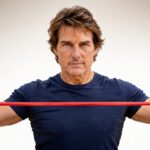
Dr. Clay Moss doesn’t look like your typical physician.
With a lean, muscular physique that would make most fitness influencers envious, this medical doctor has spent years experimenting on himself to find the optimal approach to nutrition and body composition.
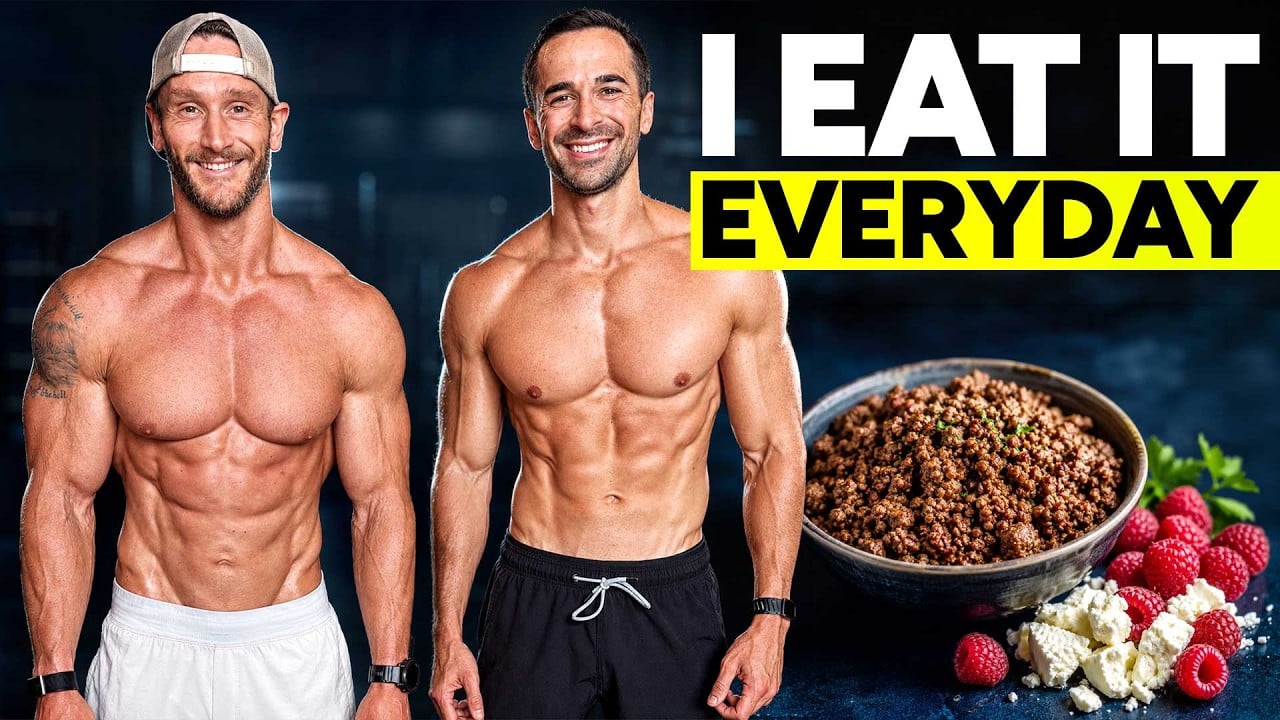
In a recent conversation, Dr. Moss pulled back the curtain on his dietary philosophy—one that prioritizes simplicity, metabolic flexibility, and listening to your body above all else.
His approach might surprise you, especially when compared to some of the world’s most elite athletes.
Jump to:
- The Mediterranean Foundation With Strategic Tweaks
- Training Fasted: Why It Works For Him
- Calories Matter—But Context Is Everything
- The Dangerous Pitfall Of Extreme Caloric Restriction
- Five Evidence-Based Fat Loss Strategies
- The Protein Leverage Hypothesis And Nutrient Seeking
- Listening To Your Body’s Feedback
The Mediterranean Foundation With Strategic Tweaks
Dr. Moss has tested nearly every dietary approach imaginable. He’s tried carnivore. He’s experimented with veganism (which he “didn’t love”). He’s dabbled in ketogenic protocols.
But he keeps returning to one foundational approach: a high-protein Mediterranean-style diet.
I just try to eat whole one ingredient foods, not a lot of processed food. I do slip up from time to time. But just try to keep it simple and and sustainable instead of going on like, you know, very restrictive diets that, you know, might have dramatic results in a month but isn’t sustainable for 6 months.
That last part is critical. Sustainability trumps perfection in his book.
Because he’s more carbohydrate-sensitive than most people, Dr. Moss occasionally shifts toward ketogenic eating. When he consumes carbs—especially mid-day—he experiences that familiar afternoon crash that signals dropping blood glucose.
What’s Actually On His Plate
Dr. Moss’s daily nutrition is remarkably straightforward. Sometimes he practices intermittent fasting, skipping breakfast entirely for months at a time.
When he does eat breakfast, it’s typically one of two options:
- Protein shake: One egg, grass-fed whey protein, blueberries, water or almond milk
- Simple eggs: Eggs with seasoning, maybe half an avocado
Notice what’s missing? Carbohydrates. He deliberately avoids them in the morning.
Lunch consists of leftovers from the previous night’s dinner—ground beef bowls with quinoa and shredded vegetables, salmon with edamame, or chicken with various sides.
Dinner mirrors lunch in composition. His wife handles most cooking, but when Dr. Moss is at the stove, he defaults to grass-fed steak, broccoli, and blueberries.
I really enjoy steak, and I actually feel a lot better when I have steak and a lower carbish diet.
Training Fasted: Why It Works For Him
Dr. Moss prefers training in a fasted state, particularly in the morning. Both his running and weightlifting performance improve when his stomach is empty.
This might seem counterintuitive, but it speaks to metabolic flexibility—the body’s ability to efficiently switch between fuel sources.
His protein target sits around 160 grams daily, slightly below the commonly recommended one gram per pound of body weight. At 182 pounds, he’s found this sweet spot sustainable while still supporting muscle maintenance.
Understanding Carbohydrate Sensitivity
When Dr. Moss describes being “carb sensitive,” he’s not talking about rapid fat gain. His metabolism has remained efficient since childhood.
Instead, he’s referring to how he feels.
If I have like a huge sweet potato or a bunch of rice on my plate or especially bread, anything with bread, and I and I eat that, you know, I will have, you know, I’ll have a blood sugar spike. And then when that spike comes back down, that’s typically what signals your body to start saying like, “Oh crap, I need to eat again.” And that’s when you start feeling like crap.
That post-meal slump, increased hunger, and mental fog? All connected to blood sugar fluctuations triggered by excessive carbohydrate intake.
Calories Matter—But Context Is Everything
Dr. Moss holds a nuanced position on caloric intake. Yes, calories determine weight changes. But macronutrient composition determines body composition.
Two people eating identical caloric amounts will see vastly different results based on their protein, fat, and carbohydrate ratios—especially when combined with appropriate training.
If you’re eating a ton of calories and not much protein, then you’re probably going to store a lot more fat than you are if you’re eating a higher protein diet with the same amount of calories because your body wants protein in order to build muscle.
Protein also provides superior satiety compared to carbohydrates. Higher protein intake naturally reduces hunger, making caloric restriction far more sustainable.
The Cristiano Ronaldo Paradox
Elite athletes like Cristiano Ronaldo present fascinating case studies in metabolic efficiency. Ronaldo’s reported diet is remarkably simple and seemingly low-calorie:
- Breakfast: Avocado, eggs, black coffee
- Lunch: Chicken or fish with vegetables
- Dinner: Fish or chicken with vegetables
- Occasional additions: Black rice, olive oil, lemon, liver
No dairy. No sugar. No preservatives. Minimal processed foods.
How does someone maintain elite athletic performance and impressive musculature on what appears to be a caloric deficit?
Dr. Moss suggests metabolic efficiency plays a crucial role.
The thing that stands out to me the most in that diet is that I think we’re all conditioned to want to add supplements, to add something to our diet, to add this superfood, to add all these things, and we think in a very additive mindset. And what we need to start thinking about is subtracting and making things simpler.
Ronaldo’s body likely extracts maximum nutritional value from minimal input. Every food provides essential vitamins, minerals, and macronutrients without inflammatory or energy-draining components.
The Dangerous Pitfall Of Extreme Caloric Restriction
Severe caloric deficits create metabolic adaptations that most people don’t anticipate. Your basal metabolic rate adjusts downward. Lean mass decreases.
Here’s where things get problematic: your cheat meals should shrink proportionally with your metabolism.
If your maintenance calories drop from 2,000 to 1,000 through prolonged restriction, that 1,000-calorie cheeseburger suddenly has double the negative impact on fat storage.
With less muscle mass serving as a metabolic sink for nutrients, excess calories preferentially convert to fat tissue.
Dr. Moss advocates for strategic refeeds paired with increased activity rather than traditional cheat meals. Energy surpluses should coincide with energy expenditure for optimal metabolic kindling.
The GLP-1 Dilemma
GLP-1 receptor agonists like semaglutide have revolutionized obesity treatment. But Dr. Moss sees a critical gap in how they’re being prescribed.
The main thing with the GOP ones that I see is we’re we’re trading obesity for sarcopenia. You know, we’re having we’re we’re under muscled. We’re now we’re now both a a fat and undermuscled population, which is probably the the deadliest duo that you can possibly have.
Patients lose weight on these medications—but they’re shedding muscle along with fat at alarming rates, particularly without resistance training and adequate protein intake.
Dr. Moss believes GLP-1s serve best as temporary tools to help severely obese individuals reach a starting point where lifestyle changes become manageable. The goal should always be eventual independence from medication.
Traditional medicine’s approach of lifelong prescriptions without addressing root causes represents everything he finds problematic about conventional healthcare.
Five Evidence-Based Fat Loss Strategies
When patients approach Dr. Moss wanting fat loss without medications, he provides five fundamental recommendations:
1. Prioritize Strength Training
Muscle tissue is your largest metabolic sink for glucose. More muscle means better blood sugar regulation and improved dietary flexibility.
If you are on a bad diet and you have significant muscle, you’re going to respond better to a bad diet than somebody that doesn’t have that muscle because like when you consume glucose, that muscle, your muscle likes to uptake that glucose first before it goes everywhere else in the body.
2. Emphasize Protein Intake
Higher protein diets increase satiety while preserving lean mass during fat loss. You’ll feel fuller on fewer calories while protecting metabolically active tissue.
3. Implement Intermittent Fasting
Fasting protocols naturally reduce caloric intake while potentially offering additional metabolic benefits. Dr. Moss personally cycles through months of intermittent fasting based on how his body responds.
4. Get Comprehensive Lab Work
Deficiencies in omega-3 fatty acids, magnesium, vitamin D, or other nutrients can sabotage fat loss efforts. Optimization makes the entire process easier and more effective.
5. Eliminate Processed Foods And Reduce Carbohydrates
Shop the perimeter of grocery stores. Focus on single-ingredient foods. Carbohydrates are calorie-dense and easy to overconsume, particularly in processed forms.
Just get rid of anything that comes out of a bag. Like, focus on that exterior of of the grocery store. focus on eating real rich nutrient-dense foods and and not, you know, stopping at Chick-fil-A on the way home from work every single day.
The Protein Leverage Hypothesis And Nutrient Seeking
Emerging research suggests humans continue eating until specific nutrient requirements are met—particularly protein and calcium.
This “protein leverage hypothesis” implies that low-protein diets drive overconsumption as the body seeks adequate amino acids.
Processed foods exacerbate this problem. They provide calories without complete nutrient profiles, leaving the body perpetually unsatisfied and seeking more food.
Whole foods naturally contain the cofactors, minerals, and vitamins necessary for optimal metabolic function. When these needs are met, hunger naturally moderates.
Athletes like Ronaldo may maintain performance on seemingly low calories because their nutrient density is exceptionally high. Every bite provides maximal nutritional value.
Listening To Your Body’s Feedback
Perhaps Dr. Moss’s most valuable insight involves paying attention to how foods make you feel.
Processed foods hijack our innate ability to recognize nutritional needs. After years of standard American diet consumption, most people have lost touch with their body’s signals.
When you kind of cut out the junk at least for a little bit and then become hyper aware of everything that you put in your body and how you feel 30 minutes later, an hour later, the next day, then it really starts to put things into perspective of like, oh, what I put in my body actually is the outcome that I get throughout the day with my performance, my mood, my sleep, how I show up for my family.
Eliminate ultra-processed foods for several weeks. Then systematically reintroduce individual foods while monitoring energy levels, mood, digestion, and sleep quality.
This self-experimentation reveals personal food sensitivities and preferences better than any generalized dietary recommendation.
What works optimally for Cristiano Ronaldo or Dr. Clay Moss may not work identically for you. But the underlying principles—whole foods, adequate protein, metabolic flexibility, and mindful awareness—form a foundation that serves virtually everyone.
Start simple. Subtract rather than add. Listen to your body’s feedback. Build sustainable habits rather than pursuing dramatic short-term results.
That approach may not make headlines, but it actually works long-term.