A physician with 16 years of personal testosterone replacement therapy (TRT) experience and nearly two decades treating patients is challenging conventional medical wisdom about this controversial treatment.
Dr. Ty Vincent, who graduated from University of Washington Medical School in 2002, believes TRT represents one of medicine’s most overlooked interventions for men—starting as young as age 16.
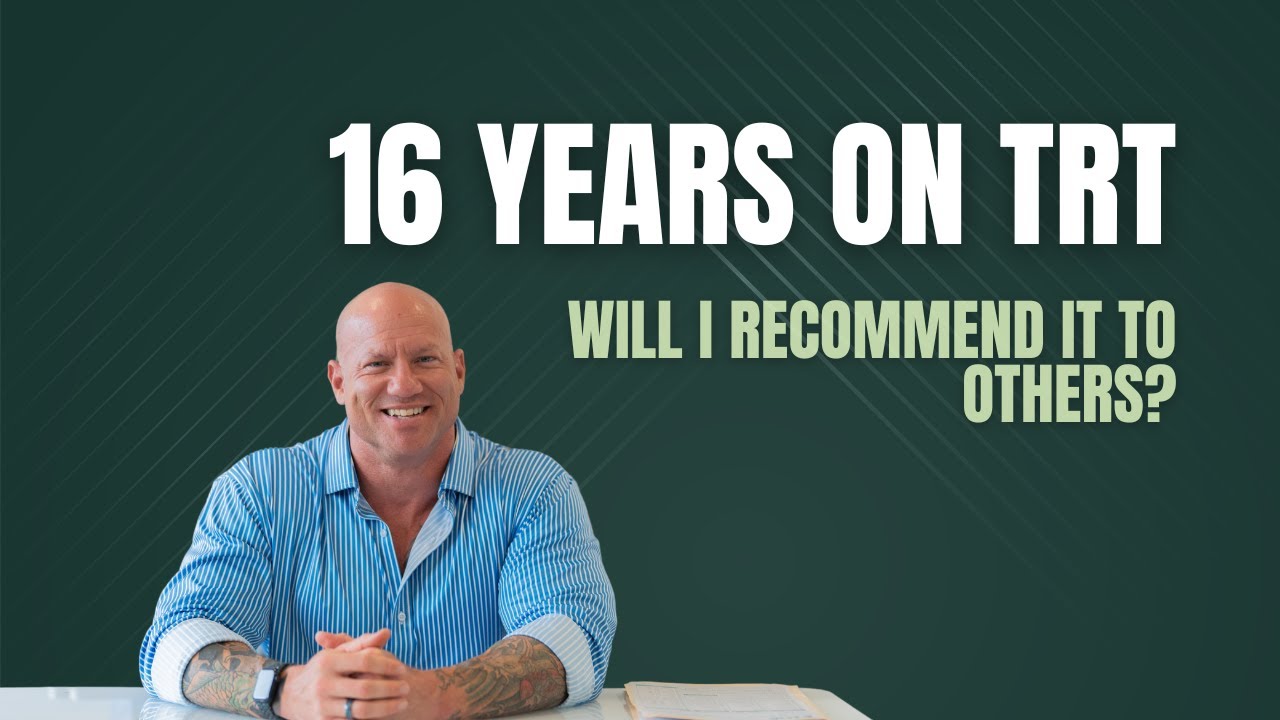
His journey began with a surprising discovery about his own hormone levels that would fundamentally reshape his medical practice.
What he learned contradicts much of what men are told about testosterone, fitness, and masculinity itself.
Jump to:
- The Shocking Self-Discovery That Changed Everything
- When Exercise Makes Things Worse
- The Reference Range Problem
- Immediate Benefits That Surprised Even a Skeptic
- The Nap Test: A Telltale Sign
- Hormones as Construction Workers
- The Happiness Factor Nobody Talks About
- The Estrogen Problem Most Doctors Miss
- Debunking the Fertility Myth
- The Crisis Among Teenage Boys
- Optimal Levels: Higher Than You Think
- The Gorilla Comparison
- What TRT Won’t Do Alone
- Beyond Testosterone: Managing DHT
- The Medical Education Gap
- The Replacement Cascade
- Cultural Implications
- Finding Proper Treatment
The Shocking Self-Discovery That Changed Everything
At 35, Dr. Vincent considered himself the picture of health. Weighing 235 pounds with low body fat, maintaining six children, writing a book, and functioning on just six hours of sleep nightly, he had no complaints.
When he decided to test his testosterone levels, it wasn’t due to symptoms—it was pure curiosity.
What I thought I was going to do was I was going to show these other men what a real man’s testosterone level was. Cause I figured I must be normal.
His result? A total testosterone level around 347 ng/dL—barely above the lower limit of LabCorp’s reference range at that time (approximately 340-1,197 ng/dL).
The number stunned him. But what happened next proved even more revealing about widespread misconceptions regarding testosterone optimization.
When Exercise Makes Things Worse
Following conventional advice, Dr. Vincent doubled down on exercise and supplementation. He completed the popular P90X workout program and added DHEA and tribulus terrestris supplements.
Twelve weeks later, he retested. His testosterone had dropped to 211 ng/dL—a decline of roughly 136 points.
The reality is if you are struggling to produce testosterone in your own body, if you exercise more and you just put more demand on your body, it doesn’t go up. You’re already making all you can. It just sucks it dry.
Rather than building muscle and increasing energy, the intense training left him with new aches, joint pain, and crushing fatigue. His body simply couldn’t meet the demand.
The Reference Range Problem
Dr. Vincent highlights a concerning trend in laboratory medicine: testosterone reference ranges keep getting lowered as population averages decline.
Instead of recognizing widespread deficiency as a health crisis, medical institutions simply adjust what’s considered “normal.”
It’s like if your football players are tired, just moving the goalposts closer and closer together. So now they just got to run 20 yards instead of a hundred.
This statistical sleight of hand, according to Dr. Vincent, masks an epidemic of low testosterone among modern men—including teenagers.
Immediate Benefits That Surprised Even a Skeptic
Starting with topical testosterone (a method he now considers suboptimal), Dr. Vincent experienced rapid improvements:
- Enhanced energy and stamina throughout the day
- Complete resolution of joint pain and tendinitis
- Improved mental clarity and cognitive function
- Better mood and motivation in daily activities
- Faster recovery from physical exertion
Perhaps most striking: these benefits emerged in someone who believed he felt fine beforehand.
I just felt better. I had a quicker mind. I had more motivation. It was, I was more happy, like better, better partner, better husband, better dad, you know, better doctor, all those things.
The Nap Test: A Telltale Sign
Through treating hundreds of men, Dr. Vincent identified daily napping as one of low testosterone’s most consistent markers.
Men with deficiency either nap regularly or compensate with excessive caffeine, Adderall, or other stimulants just to function. After starting TRT, the napping stops—usually within weeks.
Almost universally, when I see them back after they’ve been on testosterone for the first few months, they’re not taking naps anymore. Like, yeah, I haven’t taken a nap since I started. I just don’t need them.
This isn’t stimulant-induced fake energy—it represents genuine metabolic improvement at the cellular level.
Hormones as Construction Workers
Dr. Vincent uses a compelling analogy to explain testosterone’s role in human physiology.
Food provides raw materials—lumber, nails, shingles. But without workers to assemble these materials into a finished structure, nothing gets built.
The workers in this analogy are hormones. Testosterone is an anabolic steroid. It’s an anabolic hormone made from cholesterol. And without enough of it, you can’t make normal tissue. You can’t make normal cellular energy. You can’t repair injury.
No amount of perfect nutrition compensates for insufficient hormonal signaling. The construction materials just sit unused.
The Happiness Factor Nobody Talks About
Contrary to the “roid rage” stereotype, Dr. Vincent found testosterone’s psychological effects to be overwhelmingly positive.
Men with low testosterone tend toward irritability, pessimism, and emotional flatness. Activities they once enjoyed lose their appeal. Life becomes something to endure rather than experience.
Men that have low testosterone are grumpy, unhappy, complaining, negative, pessimistic bitches. They’re just miserable people.
After starting TRT, hundreds of Dr. Vincent’s patients reported dramatic mood improvements. Partners noticed the change even more dramatically—especially those initially skeptical about treatment.
The Estrogen Problem Most Doctors Miss
According to Dr. Vincent, elevated estrogen represents the primary reason TRT fails for many men. Testosterone converts to estrogen through an enzyme called aromatase.
When men use testosterone without managing this conversion, estrogen levels can climb dangerously high—producing unusual and distressing symptoms.
Two Types of High Estrogen Response
Men with excessive estrogen typically fall into two categories:
- The irritable type: Angry, emotional, unpredictably cranky
- The sentimental type: Overly emotional and tearful
Dr. Vincent discovered his own tendency toward the latter when he found himself repeatedly crying at singing competition videos on YouTube.
I was watching singing auditions for like American Idol and The Voice and stuff. I found them so moving that I was just sitting there and crying. I’d watch the same one over and over and it would make me cry.
His wife’s suggestion to check labs revealed estrogen levels over 200—more than double the male optimal range of under 100.
The Solution: Aromatase Inhibitors
Medications like anastrozole and letrozole block testosterone’s conversion to estrogen. Dr. Vincent now starts most patients on estrogen blockers immediately rather than waiting for problems to develop.
Testing estrone, estradiol, and DHT (dihydrotestosterone) levels 3-4 weeks after beginning TRT allows for precise adjustment. Once dialed in, most men can maintain stable protocols indefinitely.
Debunking the Fertility Myth
Many young men avoid TRT due to fertility concerns. While exogenous testosterone does suppress sperm production temporarily, Dr. Vincent emphasizes this effect is completely reversible.
Initially, he stopped testosterone entirely when planning additional children—an experience he describes as “horrible” due to the sudden return of deficiency symptoms.
The contrast is like getting from the hot tub back into the swimming pool. You know, it felt fine when you swam in the pool the first time, but now that you’ve been in the hot tub for a while, the pool is intolerably cold.
He later discovered a better approach: HCG (human chorionic gonadotropin) injections alongside TRT stimulate the testes to produce sperm while maintaining testosterone benefits.
This protocol allows men to optimize hormones and preserve fertility simultaneously—eliminating the need to choose between the two.
The Crisis Among Teenage Boys
Perhaps Dr. Vincent’s most controversial position involves testing and potentially treating boys as young as 16.
His two oldest sons both developed concerning symptoms at 16: daily napping, zero motivation, no interest in driving, dating, or activities beyond video games.
Testing revealed testosterone levels in the mid-400s ng/dL—functional enough to avoid medical diagnosis but far below optimal for adolescent development.
They both became a shadow of themselves. I put them on testosterone injections and their life completely flipped back around. No more naps, got a job, got a driver’s license, got a girlfriend, playing sports.
Dr. Vincent believes similar deficiency affects countless teenage boys today, manifesting as the stereotypical lazy, unmotivated, video-game-addicted teenager parents struggle to understand.
Optimal Levels: Higher Than You Think
Based on population trends and clinical experience, Dr. Vincent argues ideal male testosterone sits above 1,500 ng/dL—significantly higher than most physicians target.
For men on injection protocols, he aims even higher (above 2,000 ng/dL) to account for the peaks and valleys inherent in periodic dosing.
I will tell you that is where you find smooth sailing. Like you got to get your airplane above the clouds and then it’s nothing but blue sky and the clouds are at 2000.
This approach contradicts conservative medical practice but reflects Dr. Vincent’s observation that men function optimally at higher-than-conventional levels.
The Gorilla Comparison
To illustrate testosterone’s anabolic power, Dr. Vincent points to gorillas—genetically 99% similar to humans but possessing roughly 10 times our testosterone levels.
Which is why you don’t see gorillas at the gym. They don’t have to go bench press and squat. They’re just fucking gorillas and they can pick up a rock and smash you with it anytime they want to.
While he doesn’t advocate matching gorilla levels, the comparison underscores how hormones—not excessive training—drive dramatic physical development.
Dr. Vincent maintains his physique with just 3-4 hours of weekly gym time—far less than most assume necessary for his build.
What TRT Won’t Do Alone
Despite his enthusiasm, Dr. Vincent emphasizes testosterone isn’t magic. Physical transformation still requires consistent effort.
When he first started TRT without changing his training, he gained only five pounds of muscle. Optimal hormones create the biological foundation for adaptation—they don’t replace the work itself.
Combined with proper training, nutrition, and lifestyle, however, testosterone allows the body to respond to stimulus in ways impossible with deficient levels.
Beyond Testosterone: Managing DHT
Besides estrogen, Dr. Vincent monitors dihydrotestosterone (DHT)—another testosterone metabolite that causes distinct problems when elevated:
- Male pattern baldness
- Acne development
- Prostate enlargement
Controlling DHT through medication prevents these side effects while maintaining testosterone’s benefits. Proper metabolite management eliminates virtually all negative effects attributed to TRT itself.
The Medical Education Gap
Dr. Vincent laments that University of Washington Medical School—one of America’s top programs—taught “literally nothing about testosterone” during his training.
This educational void persists across medical schools, leaving physicians unprepared to recognize deficiency or manage replacement therapy effectively.
Many doctors remain skeptical or dismissive of TRT, forcing men to seek treatment through “gym buddies” or online sources—often with poor results due to lack of metabolite management.
The Replacement Cascade
Men with low testosterone often accumulate multiple prescriptions targeting individual symptoms rather than addressing root hormonal deficiency:
- Statins for cholesterol
- Antihypertensives for blood pressure
- Antidepressants for mood
- Sleep medications for insomnia
- Erectile dysfunction drugs
I learned over time they can all be completely replaced by testosterone in most of these men.
Optimizing testosterone frequently eliminates the need for this pharmaceutical cocktail entirely.
Cultural Implications
Dr. Vincent sees widespread testosterone deficiency as having profound societal consequences beyond individual health.
Surveys showing increasing numbers of young men identifying as asexual particularly alarm him—suggesting hormonal dysfunction at population scale.
That’s apocalyptic. That’s like end of days stuff right there. It’s just definitely connected to this loss of testosterone that we’ve suffered as a population sort of writ large.
Whether environmental toxins, dietary changes, stress, or other factors drive this trend, he views optimization therapy as essential mitigation.
Finding Proper Treatment
For men unable to find knowledgeable local providers, Dr. Vincent offers remote consultations through his practice at Global Immunotherapy.
He can order necessary labs, provide dosing guidance, manage metabolites, and troubleshoot issues regardless of geographic location. His goal: make every patient independent and knowledgeable enough to manage their own protocol.
After 16 years of personal experience and treating nearly 1,000 men, Dr. Vincent’s conviction remains unshaken: properly managed testosterone replacement represents one of modern medicine’s most underutilized interventions—capable of transforming not just bodies, but entire lives.