Waking up in the dark with a racing mind is maddening.
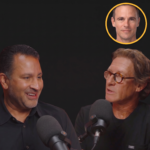
In a recent podcast interview, clinical psychologist Dr. Bruce, known online as the Sleep Doctor, explained why this happens to nearly everyone.

His top suspect is not stress or cortisol.
Even better, he shared a step-by-step playbook with a few “controversial” rules.
One involves your bladder, another your phone, and a third a quirky finger trick.
Ready to learn what to do when your eyes snap open?
Jump to:
Why Nearly Everyone Wakes Between 1 and 3 a.m.
According to Dr. Bruce, core body temperature is the biggest factor for most people. Temperature climbs through the evening, peaks around 10:30 p.m., then falls.
That drop is a signal to your brain to release melatonin, right? No dropping of core body temperature, melatonin is not going to get released.
Temperature cannot keep sinking all night, though. Somewhere in the early morning, your body starts warming back up.
You actually move into a lighter stage of sleep and so your arousal ability threshold is lower. It’s easier for you to become more aroused.
Most people roll over and drift off again. For others, the brain switches on.
The Anxiety Loop That Keeps You Awake
Dr. Bruce says sleep requires lower anxiety, lower temperature and a lower heart rate. Frustration at being awake pushes all three in the wrong direction.
I can get almost anybody to sleep if I can get those three things down.
Three Rules for the Middle of the Night
Rule 1: Skip the Bathroom Trip (If You Can)
Going from lying to sitting to standing nudges up heart rate, temperature and cortisol. Plenty of people do not actually need to pee, according to Dr. Bruce.
Side sleepers may simply be pressing on the bladder. His test: roll onto your back and count to 20.
If you still have to pee, please go pee, okay? But if you don’t have to pee, don’t get up.
Rule 2: Do Not Look at the Clock
One glance triggers instant mental math about how many hours remain. Anxiety spikes immediately.
His fix is simple: plug the phone in across the room. Parents can keep the ringer on high.
Rule 3: Stop the Second Thought
Why do thoughts turn negative at that hour? Dr. Bruce argues we are wired to treat nighttime disruptions as threats.
It’s very difficult to stop your first thought, but you can stop your second.
His suggestion: remind yourself that waking is normal and there is no need to panic.
The 4-7-8 Breathing Method (With a Twist)
Dr. Bruce’s go-to is 4-7-8 breathing, popularized by Dr. Andrew Weil. Aim for 20 cycles.
- Inhale slowly through the nose for a count of 4.
- Hold for a count of 7.
- Exhale gently for a count of 8.
Why does it work? Pushing air out longer than you held it activates the parasympathetic nervous system, the body’s calming mode.
Struggling with the long hold? Dr. Bruce starts patients on 4-5-6 for about a week, then 4-6-7, then the full pattern.
The Finger-Counting Trick
Losing count creates anxiety, so he keeps two loose fists by his sides. Each completed round earns one extended finger.
He also pictures each number in his mind’s eye while breathing.
You cannot count and worry at the same time. It’s too much of a cognitive load.
Box breathing is not his pick for this situation. He finds it can feel stimulating, which is why some people use it before workouts.
Still Awake? Try These Next Steps
- Count backward from 300 by threes. Dr. Bruce says it is complicated enough to block other thoughts and boring enough to lull you out.
- Move to a pre-set spot. Set up a chair, a lamp and a mildly boring fiction book, then return to bed when your eyes get heavy.
- Try non-sleep deep rest. Lying still in a yoga nidra style meditation gives some rejuvenation, though not equal to real sleep.
Mindset matters here. If heart rate climbs and frustration builds, get out of bed.
Okay, for some reason my body doesn’t want to sleep right now. That’s okay.
Reframing the moment as free meditation time turns negative into positive.
Other Reasons You Might Wake Up
Temperature is not the only candidate. Dr. Bruce also points to a few other triggers:
- Cortisol: A nightly spike is normal, and he urges people not to obsess over it.
- Blood sugar swings: Heavy sugar before bed may disrupt melatonin and set off insulin and cortisol changes.
- Low liver glycogen: Running out of stored sugar overnight may jolt the body awake, especially in athletes or people with fatty liver.
- Chronotype: Genetically driven early-bird or night-owl tendencies clash with jobs, kids and school.
Late-night snackers have found a supplement called berberine helpful, he says. Check with a doctor before trying any supplement.
Is Eight Hours a Myth?
Dr. Bruce says needs vary, and rigid rules backfire. He personally sleeps around 6.5 to 7 hours.
I think I’ve given people more solace by letting them know that 8 hours is a myth than almost any other thing I’ve ever said.
Waking once and meditating before drifting back? That counts as a perfectly fine night, in his view.
Use Sleep Trackers Wisely
Wearables provide estimates, not diagnoses. Dr. Bruce suggests checking weekly and watching trends rather than single nights.
Obsessing over data can cause orthosomnia, anxiety driven by sleep metrics.
His Top Habits for Better Sleep
- Wake at the same time daily. Morning light helps set the timing of melatonin release roughly 14 hours later.
- Follow the 3-2-1 rule. Stop food and fluids 3 hours before bed, work 2 hours before, and screens 1 hour before.
- Avoid social jet lag. Weekend sleep-ins can leave you “wired and tired” come Monday.
- Consider an air purifier. Pet dander and stale air may not help your bedroom.
Why He Says to Skip Mouth Taping
Dr. Bruce is blunt on this trend. His concern: taping masks undiagnosed sleep apnea.
This is a congestion problem, not a sleeping problem.
He believes the risk is greater after drinking alcohol. His advice: get screened for sleep apnea first.
He wears a CPAP himself and notes several other treatments exist. If snoring, gasping or heavy daytime fatigue sounds familiar, a sleep specialist is the right next call.