A fitness coach recently shared how he dropped 50 pounds in just three months using a surprisingly simple approach: rotating just five core foods.
But this wasn’t just another crash diet story.
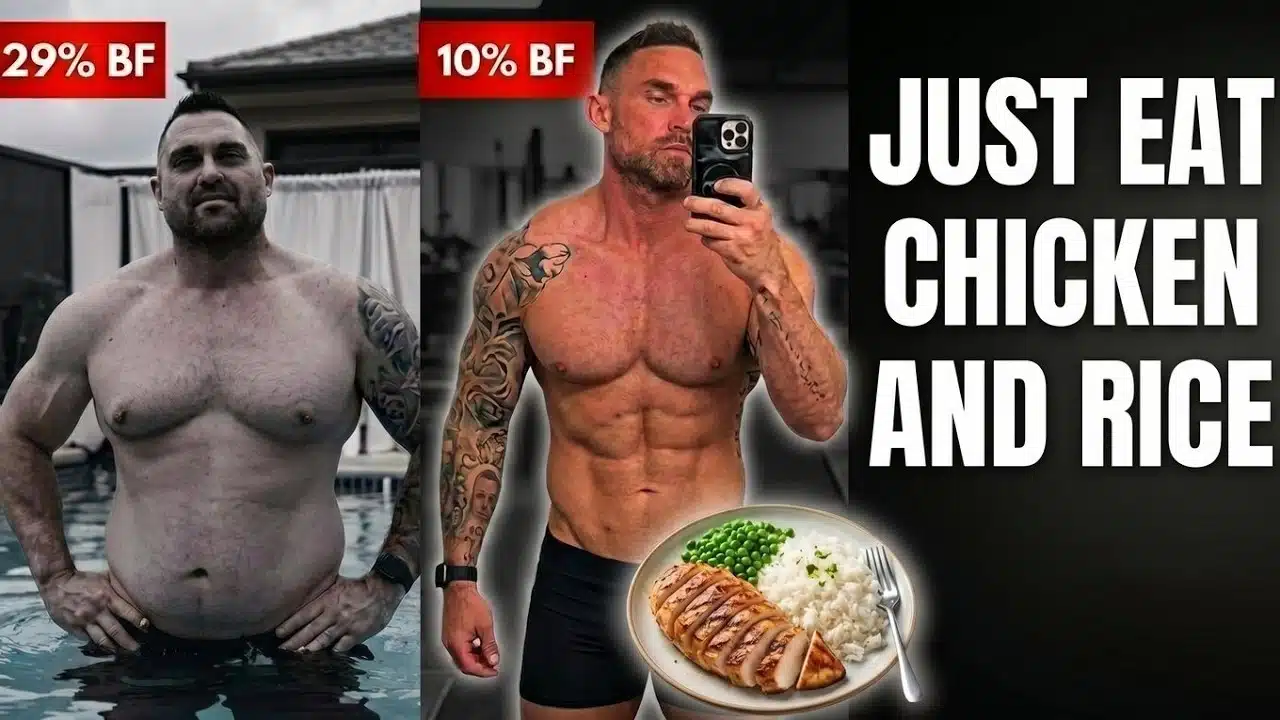
After tearing his bicep during a Spartan race, undergoing surgery, and spiraling into depression and painkiller addiction, he ballooned up while recovering from an 8-month lifting hiatus.
What followed was a methodical, aggressive fat loss protocol that combined strategic fasting, calorie cycling, and meal simplicity—proving that transformation doesn’t require complicated meal plans or exotic superfoods.
Jump to:
- Ground Beef: The Foundation of Fat Loss
- Eggs: Versatile Protein Powerhouse
- Chicken: The Bodybuilder Classic That Actually Works
- Fruit: Strategic Carbs and Satiety
- Potatoes: The Most Satiating Food on Earth
- The Aggressive Protocol Behind 50 Pounds in 12 Weeks
- Supporting Strategies for Hunger Management
- Long-Term Maintenance and Muscle Recovery
- Why Simplicity Beats Complexity
- The Bigger Picture Beyond Diet
- Applying This Approach Yourself
Ground Beef: The Foundation of Fat Loss
Ground beef became the cornerstone of his daily nutrition, but not just any ground beef.
We’re not talking 80/20 ground beef here. We’re talking 93/7 at the highest fat content, maybe 90/10.
Lean ground beef offered incredible versatility. He could eat it plain with hot sauce and fruit on the side, mix it with other foods, or batch-prep it for the entire week.
The protein density kept him full while the minimal fat content helped maintain his aggressive calorie deficit. Sometimes he’d even opt for 96/4 ground beef from Trader Joe’s for maximum leanness.
Eggs: Versatile Protein Powerhouse
Eggs secured the second spot on his rotation for good reason—they’re quick to prepare, highly satiating, and endlessly versatile.
He paired eggs with English muffins, toast, ground beef, or fruit depending on his meal timing and calorie goals for the day. Despite containing more fat than chicken, eggs provided essential nutrients critical for hormonal function—especially important given the hormonal swings he experienced during recovery.
Chicken: The Bodybuilder Classic That Actually Works
Despite the running joke about “chicken, rice, and broccoli” in fitness circles, chicken earned its place as staple number three.
Chicken is amazing. Chicken also comes now in very convenient packages.
He’d grab healthier frozen chicken strips or nuggets and throw them in an air fryer for effortless meal prep. Extremely lean protein that could be combined with toast for sandwiches, tossed in salads, paired with rice and broccoli, or served alongside potatoes.
Beyond convenience, chicken’s low fat content made it ideal for creating larger, more filling meals without excessive calories.
Fruit: Strategic Carbs and Satiety
While “fruit” might seem too general, he focused primarily on specific varieties that maximized fullness per calorie.
Apples became his bridge snack between lunch (typically his first meal) and dinner. Other rotation staples included:
- Frozen grapes (felt like dessert before bed)
- Oranges for variety
- Berries of all kinds (extremely low calorie density)
During low-carb days, he’d keep fruit minimal—under 50 grams of carbs total. On higher-calorie refeed days, fruit intake increased strategically to replenish glycogen and maintain sanity.
Potatoes: The Most Satiating Food on Earth
Rounding out the five-food framework were potatoes, which he credits as the most filling food available.
Potatoes are so filling. If you include them with other filling foods like chicken, beef, eggs, it’s a game changer.
He ate potatoes nearly every day except during strict low-carb phases. Combined with protein sources, potatoes created massive, satisfying meals that kept hunger at bay for hours.
Interestingly, he avoided rice during serious fat loss phases despite its popularity in bodybuilding circles—it simply didn’t provide the same satiety effect.
The Aggressive Protocol Behind 50 Pounds in 12 Weeks
Five simple foods formed the foundation, but the structure around them accelerated results dramatically.
Weekly Fasting Protocol
He started each week with a full 24-hour fast—just water, zero-calorie energy drinks, and black coffee. As progress continued, this extended to 36-hour fasts from Sunday night through Tuesday morning.
This created substantial weekly calorie deficits without requiring extreme daily restriction.
Calorie and Carb Cycling
Following the fast, he’d implement 2-3 days of low-carb, low-calorie eating—primarily protein from beef, chicken, and eggs with minimal fruit (under 50g carbs daily).
Then he’d transition to 2-3 days of moderate calories with added potatoes, English muffins, and more fruit. Sunday nights featured slightly elevated intake (about 200 extra calories) before repeating the cycle.
The Reality Check on Rapid Fat Loss
Losing nearly 4 pounds weekly sounds extreme—and it was. But context matters tremendously here.
Approximately 15 pounds dropped almost immediately from eliminating inflammation, water retention, and recovering from painkiller use. The remaining 35 pounds over 12 weeks averages to roughly 2.5-3 pounds weekly—aggressive but more reasonable.
He also lost about 12 pounds of muscle during his injury recovery period, which he eventually regained.
Supporting Strategies for Hunger Management
Beyond the five core foods, several tactics helped manage cravings and maintain adherence:
- Diet Coke once or twice daily
- Sparkling water for volume and variety
- 5-calorie Jell-O with low-calorie whipped cream for dessert cravings
- Increased walking and consistent weight training 3-4 days weekly
These seemingly minor additions created psychological satisfaction without derailing caloric targets.
Long-Term Maintenance and Muscle Recovery
The transformation didn’t end at 190 pounds. After regaining the 12 pounds of muscle lost during his injury, he stabilized around 215 pounds at 12-14% body fat year-round.
I didn’t keep 50 lbs off. Here’s the secret. I gained all the muscle back that I lost because of my injury.
Occasional cuts bring him down to 7-9% body fat, while holidays might bump him to 15%. This demonstrates sustainable body composition management rather than perpetual dieting.
Why Simplicity Beats Complexity
Five foods. Strategic fasting. Calorie cycling. Nothing exotic or complicated.
The power wasn’t in discovering secret superfoods or optimizing nutrient timing down to the minute. Success came from consistent execution of fundamental principles—high protein intake, strategic calorie deficit, and meal rotation that eliminated decision fatigue.
By building meals around ground beef, eggs, chicken, fruit, and potatoes, he created endless combinations without mental exhaustion. Chicken wraps one day, chicken with potatoes another, chicken in homemade pizzas the next.
Same core ingredient, different presentation.
The Bigger Picture Beyond Diet
While the five-food protocol delivered results, he emphasizes that transformation extends beyond just eating strategy.
His journey included overcoming painkiller addiction, fixing catastrophic sleep patterns (previously staying up until 2-3 AM gaming), managing depression, and addressing hormonal dysfunction from injury and stress.
Nutrition provided the framework, but complete lifestyle reconstruction made sustainable change possible. Sleep optimization, stress management, consistent training, and accountability systems all contributed to keeping weight off long-term.
Applying This Approach Yourself
Before attempting such aggressive protocols, consider several important factors:
- Starting from an inflamed, injured state means initial weight loss will be partially water and inflammation reduction
- Extended fasting isn’t appropriate for everyone, especially those with medical conditions or disordered eating histories
- Extremely low calorie intake combined with training requires careful monitoring
- Muscle loss becomes likely without adequate protein and resistance training
That said, the core principle remains universally applicable: identify 4-6 highly satiating, protein-rich foods you genuinely enjoy, then build simple meal rotations around them.
Whether you choose his exact foods or substitute fish, Greek yogurt, cottage cheese, or turkey doesn’t matter nearly as much as consistency and adequate protein intake.
Sustainable fat loss rarely comes from complexity. It comes from removing barriers to consistency—and nothing removes barriers quite like eliminating daily food decisions through strategic simplicity.