A new study is turning conventional gym wisdom on its head.
While many lifters stick to the tried-and-true “bro split” — chest day, leg day, arm day — new research published in the European Journal of Sport Science suggests that full-body resistance training may be more effective for fat loss.
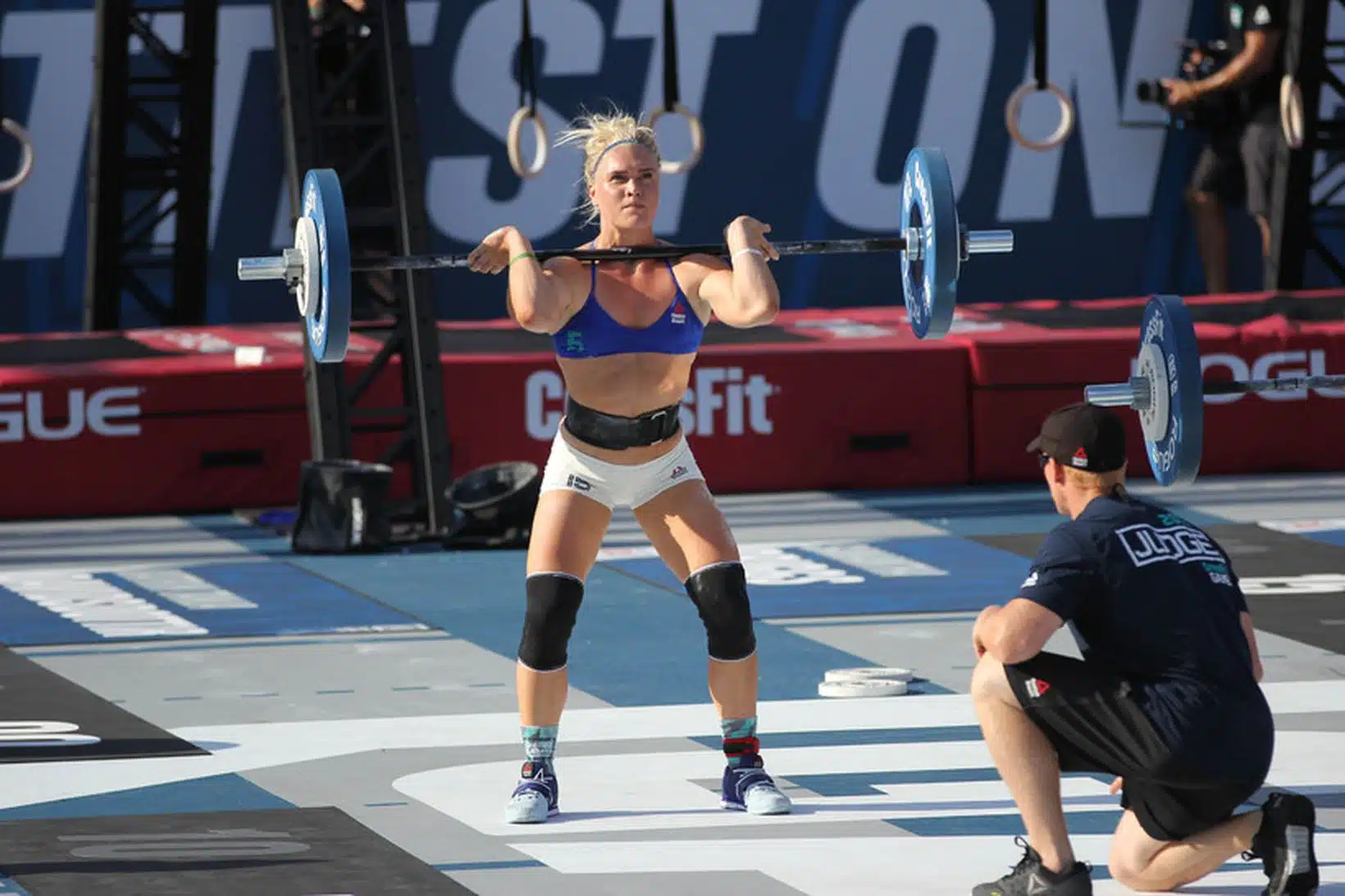
This insight doesn’t just come from anecdotal evidence. It’s backed by a randomized controlled trial on trained lifters, showing greater fat reduction and less muscle soreness with a full-body approach.
Here’s what the study found — and how you can apply it to your own routine.
Jump to:
Full-Body Training May Be Better for Fat Loss
The key takeaway from the study? Training your whole body more frequently appears to burn more fat than isolating muscle groups throughout the week.
In the study, 23 experienced male lifters were split into two groups:
- One group trained using a full-body routine five days a week.
- The other followed a split-body plan, hitting different muscles on different days.
Both groups completed the same total weekly training volume — 75 sets per week at 70–80% of their one-rep max (1RM), with reps in the 8–12 range — and both maintained stable diets with post-workout whey protein for standardization.
After 8 weeks, the full-body group saw greater fat loss across nearly every body region.
What the Science Says
DXA scans before and after the 8-week protocol revealed key differences between the two training styles:
- Whole-body fat mass:
- Full-body group: -0.775 kg
- Split-body group: +0.317 kg
- Upper limb fat:
- Full-body: -0.085 kg
- Split-body: +0.066 kg
- Lower limb fat:
- Full-body: -0.197 kg
- Split-body: +0.055 kg
- Gynoid fat (hips/thighs):
- Full-body: -0.142 kg
- Split-body: +0.123 kg
- Android fat (abdominal) showed a strong trend toward reduction in the full-body group as well, though just shy of statistical significance.
Across all regions, the full-body group consistently outperformed the split-body group. According to the researchers, these changes reflected large effect sizes, meaning the difference wasn’t just statistically significant — it was practically meaningful too.
Why It Might Work: Lower Soreness, Higher Movement
Interestingly, the full-body group also reported lower levels of delayed onset muscle soreness (DOMS) throughout the study.
In fact, DOMS in the lower body was up to 7.5 times higher in the split-body group.
Why does this matter?
Less soreness can lead to more daily movement outside the gym — something called non-exercise activity thermogenesis (NEAT). NEAT includes things like walking, fidgeting, climbing stairs, and doing chores — all of which contribute to your total daily energy expenditure (TDEE).
“When people are really sore, they tend to move less, which can counteract the fat loss benefits of training,” explains study author Marcelo A.S. Carneiro.
Because NEAT can make up a large portion of your calorie burn throughout the day, anything that helps you stay active can directly support fat loss — even more than your workouts themselves.
Practical Takeaways for Your Training
This doesn’t mean split routines are obsolete. But it does suggest that if your primary goal is fat loss, especially while preserving muscle, a full-body program may offer unique advantages.
Here’s how to make full-body training work:
- Train 3–5 times per week. More frequent sessions can help distribute volume and reduce soreness.
- Include compound lifts like squats, deadlifts, presses, and rows each day.
- Vary exercise selection across the week to avoid overuse injuries and keep workouts fresh.
- Use moderate loads (70–80% 1RM) and rep ranges of 8–12 for hypertrophy and calorie burn.
- Monitor recovery and adjust volume if soreness becomes excessive.
For those who enjoy split routines or need more recovery between sessions, adherence still reigns supreme. As the researchers noted, a calorie deficit — not just workout style — drives fat loss. But if you’re hitting plateaus or feel too sore to stay active during the day, a full-body switch might be worth trying.
Limitations to Keep in Mind
Like all research, this study isn’t without caveats:
- Small sample size (23 participants) limits broad generalization.
- Diet was self-reported, which can be unreliable.
- Energy expenditure wasn’t directly measured, so NEAT effects were inferred, not confirmed.
- The full-body group may have accumulated slightly more volume via warm-up sets, which could have contributed to results.
Still, the findings align with other emerging research suggesting training frequency and recovery quality play a major role in fat loss outcomes — especially in trained populations.
The Bottom Line
If you’re looking to shed fat while holding onto muscle, a full-body training split may give you an edge.
Not only can it reduce overall body fat more effectively, but it also appears to keep muscle soreness in check — helping you stay more active outside the gym, which is critical for long-term fat loss.
At the end of the day, the best program is one you can stick with consistently. But if you’re chasing lean gains, full-body training might be your most efficient path forward.