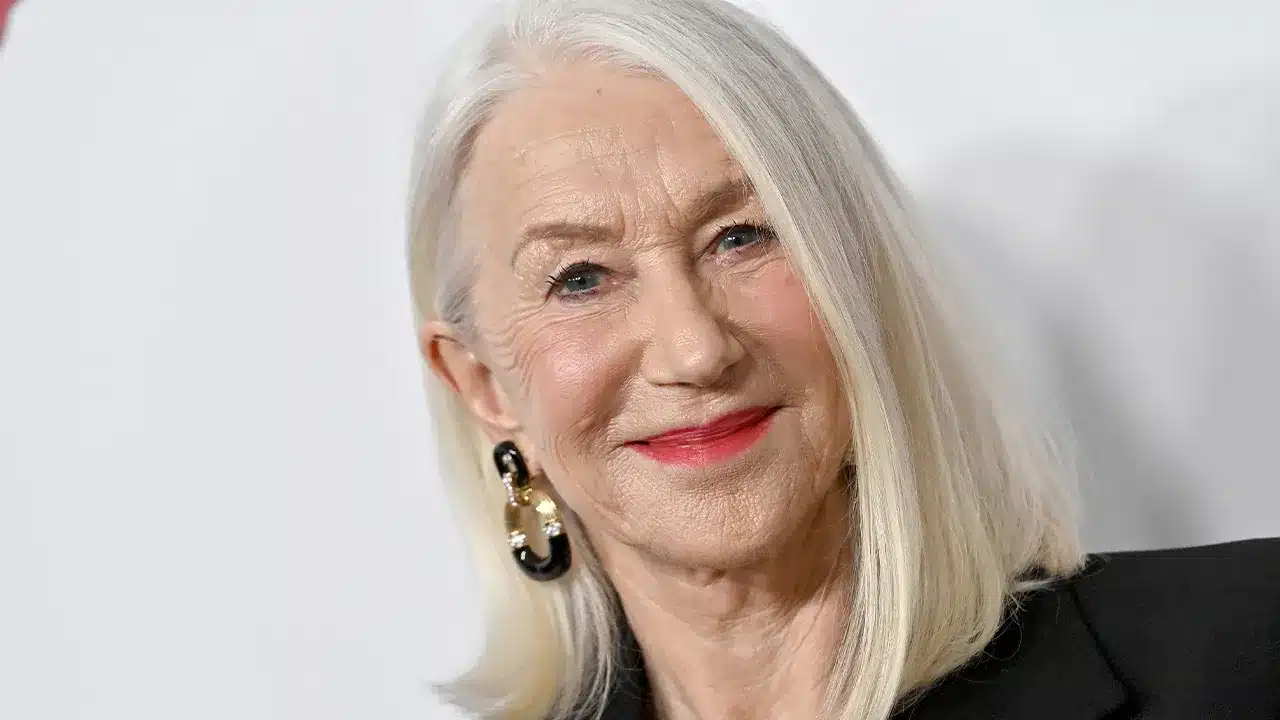
Helen Mirren is living proof that age is no barrier to fitness. At 79, the acclaimed actor is still moving, still challenging herself, and most importantly, still encouraging others to do the same—especially those in their 50s and 60s.
In a recent interview with The Times, Mirren emphasized the lifelong benefits of incorporating regular exercise into daily life. Her message? It doesn’t need to be extreme or time-consuming to make a difference.
If you’ve been feeling like it’s “too late” to start working out, this article is here to change that mindset completely.
Backed by science and inspired by Mirren’s own fitness philosophy, we’ll explore how simple movement routines can dramatically improve health, longevity, and quality of life—no matter your age.
Jump to:
- Why Midlife Is the Perfect Time to Get Moving
- The 12-Minute Workout Helen Swears By
- Fitness Advice for Beginners: Start Easy
- The Big Health Benefits of Small Changes
- Why Strength Training Matters—Especially As You Age
- Don’t Have Time? Turn Everyday Moments Into Movement
- Eating for Strength Without the Extremes
- The Takeaway: Embrace Aging with Movement
Why Midlife Is the Perfect Time to Get Moving
While many people slow down as they age, Mirren believes it’s the perfect moment to start building movement into your routine. “Whatever you may think about aging, it’s something we must all try to embrace rather than fear,” she said. She’s urging people in their 50s and 60s to make exercise a habit they can enjoy and sustain.
The CDC reports that roughly 31 million adults over 50 are physically inactive—and that lack of movement is associated with 1 in 10 premature deaths and an estimated $117 billion in yearly health care expenses. Inactivity at this age increases the risk of chronic conditions such as heart disease, osteoporosis, diabetes, and cognitive decline.
The good news? Getting started is often easier than people expect.
The 12-Minute Workout Helen Swears By
If the idea of going to the gym or hopping into bootcamp classes feels overwhelming, there’s a simpler path. Mirren still uses a 12-minute military workout developed by the Royal Canadian Air Force in the 1950s. It relies on basic bodyweight movements like:
- Toe touches
- Leg raises
- Push-ups
- Jumping jacks
- Spot jogging
This workout was originally designed for people without access to gym equipment and remains one of the most accessible routines decades later.
Consistent movement, even in bite-sized doses, can have powerful effects over time. And as Mirren says, “It’s never too late to start doing something, so why not give it a go while you’re younger?”
Fitness Advice for Beginners: Start Easy
Mirren emphasizes progress over perfection. “Just do three sit-ups. Then four next week, and the next week do five. Start really easy,” she told People in a 2015 interview. The idea is to spark motivation without overwhelming your body or your mind.
This incremental approach aligns with expert guidance. Dr. Suzanne Steinbaum, a preventive cardiologist, explained: “Doing something is better than doing nothing. If walking is the beginning stages of embracing a heart-healthy life, then it is the initial stages that will create habits that will be sustainable and last for a lifetime.”
The Big Health Benefits of Small Changes
You don’t need to run marathons or lift heavy weights to experience real changes. Even low-impact physical activities like walking, yoga, swimming, or stretching can:
- Lower blood pressure
- Improve memory and cognitive function
- Boost balance and coordination
- Strengthen bones and joints
- Elevate mood and reduce symptoms of depression
Research has shown that as little as five minutes of daily movement can support cardiovascular health. Regular physical activity also reduces inflammation and enhances immune function, which can help protect against illness and disease, especially as the body ages.
Why Strength Training Matters—Especially As You Age
While mobility and flexibility are key, strength training carries particular benefits for longevity. Muscle mass and bone density naturally decline with age, which increases the risk of falls and fractures. Lauren Hurst, a personal trainer who works with older adults, told Business Insider that introducing even light resistance exercises—like squats, wall push-ups, or resistance band movements—can build protective strength.
“Strength training helps people not just live longer,” Hurst said, “but live better.”
Don’t Have Time? Turn Everyday Moments Into Movement
Mirren reminds us that fitness doesn’t need to come from hour-long workouts. “It doesn’t have to be joining a gym. It can be small changes like taking a short walk or practicing yoga, which I still enjoy.”
Here are a few simple ways to add movement without dramatically changing your lifestyle:
- Take the stairs instead of elevators.
- Stand and stretch during commercial breaks or work calls.
- Join a local walking group or set step goals using a wearable tracker.
- Turn gardening or house cleaning into intentional activity.
- Schedule five-minute movement breaks throughout the day.
Eating for Strength Without the Extremes
Fitness doesn’t work in a vacuum—nutrition plays a vital role. Mirren’s approach to eating is refreshingly balanced: moderation. “I’ve never done anything to excess,” she told People. “I’ve never drunk or eaten too much. It helps to stay balanced.”
A diet that includes lean proteins, fiber-rich vegetables, healthy fats, and whole grains supports energy and muscle preservation, particularly as metabolism slows with age. Staying hydrated and limiting processed foods can also help reduce inflammation and stabilize energy levels.
The Takeaway: Embrace Aging with Movement
Helen Mirren’s longevity and vibrancy are not products of extreme workouts or rigid diets—they’re results of consistency, moderation, and movement that’s accessible to anyone.
If you’re in your 50s, 60s—or even older—it’s not too late to make meaningful changes. Start with a walk. Try a few stretches in the living room. Build to strength exercises when you feel ready. It’s not about catching up with the past; it’s about investing in the future.
Because as Mirren says, “Why not give it a go while you’re younger?”