A fitness coach says countless men are fighting belly fat with the wrong lever.
In a recent YouTube video, the former London personal trainer, who weighed 140 kg as a teenager, explained why fat can cling on despite flawless calorie counting.
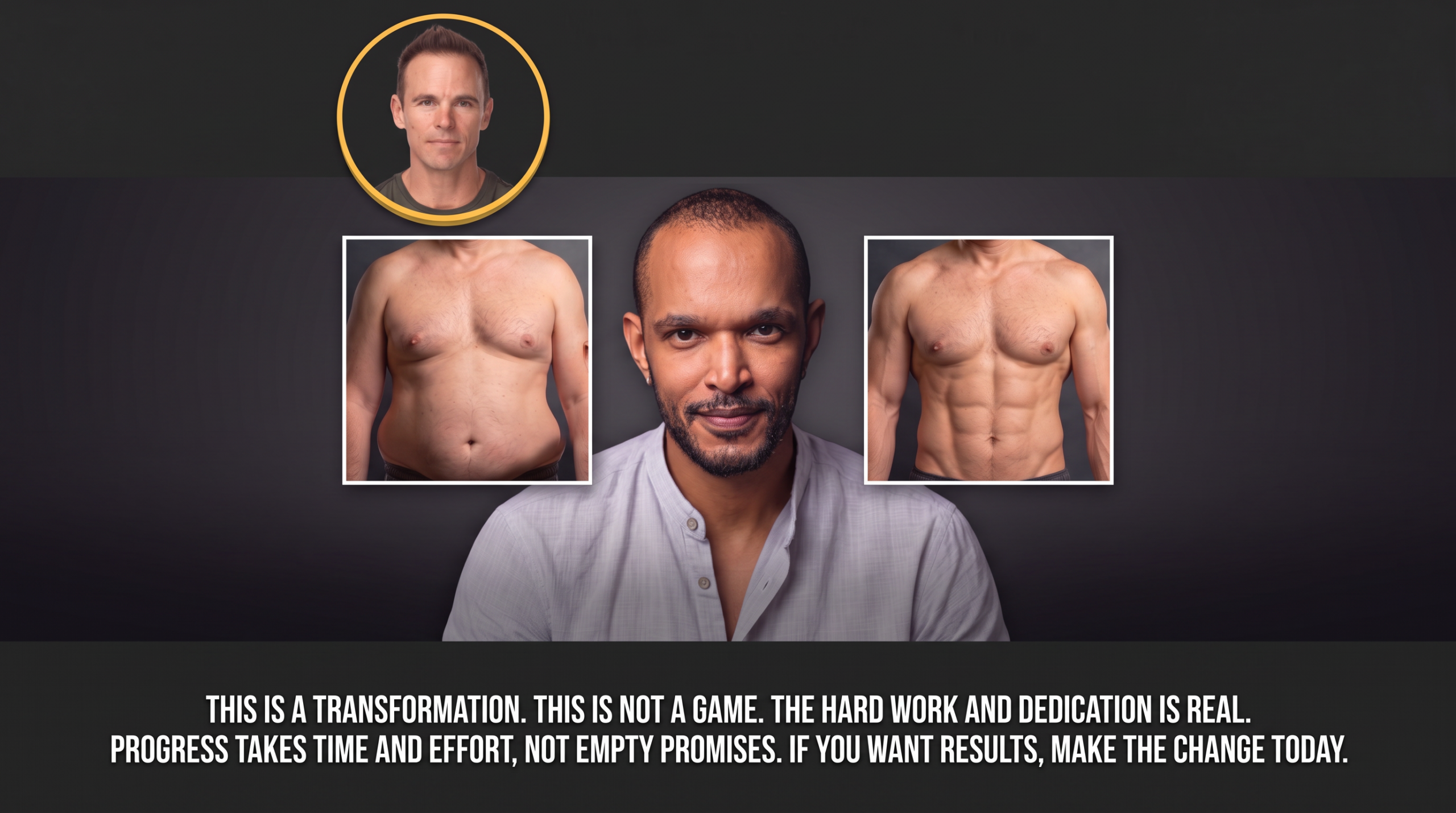
His suspect is insulin, plus a feedback loop most diets never touch.
Stick around for a quick blood-test check you can run tonight.
A two-step fix follows, with results he says show up within days.
Oh, and a client named Carlos has a surprising story waiting at the end.

If you want something simple that actually works, this is one of the most effective tools I’ve used to build strength, conditioning, and endurance without needing a full gym setup.
- Full-body training with one weight using swings, squats, and presses
- Solid cast iron build that feels stable and lasts for years
- Comfortable grip that makes high-rep workouts easier to handle
Jump to:
Calories Set the Amount. Insulin Sets the Type.
Eat less, move more, track everything. Sound familiar? The coach argues that advice is only half the story.
Calories decide how much weight you lose, but insulin decides if that weight is fat or muscle.
He points to a 2023 study in which participants ate identical, fully prepared diets for 14 weeks. Those with the highest insulin lost about 1.2 kg less fat and about 1.3 kg more muscle.
Same food, same plan, worse body. His verdict: this is a hormone problem, not a willpower problem.
A note of nuance: calorie balance still drives scale weight, and his “over 10% body fat” line is a rule of thumb, not a diagnosis. Only a blood test confirms where anyone stands.
The Loop That Quietly Builds a Belly
All the blood in a body holds roughly 4 g of sugar, about one teaspoon. One plate of pasta carries more than ten times that.
Insulin, the “put it away” hormone, rushes in to clear the surplus and decides whether it lands in muscle or fat.
If you want something simple that actually works, this is one of the most effective tools I’ve used to build strength, conditioning, and endurance without needing a full gym setup.
- Full-body training with one weight using swings, squats, and presses
- Solid cast iron build that feels stable and lasts for years
- Comfortable grip that makes high-rep workouts easier to handle
While insulin is high, your fat is locked.
Here is where things spiral:
- Fat builds up in the liver, around organs, and inside muscles.
- Muscles stop responding, so the body pumps out even more insulin.
- Extra insulin keeps fat locked and promotes more storage.
- More fat means weaker response. Round it goes.
That, he says, is how a lean 25-year-old becomes a 30-year-old with a belly: slowly, one loop at a time. It also explains why bulking at higher body fat often backfires, since food heads for the midsection rather than muscle.
Five Signs the Loop May Be Running
- Stubborn belly fat, often the first male storage site, wrapped around organs and liver.
- Months or years of eating above maintenance, whether bulking or “clean” overeating.
- A sedentary day at desk, car, and sofa, since idle muscle takes in little sugar.
- Age over 30, though he stresses that age merely adds to the problem; slow fat gain from 25 to 35 worsens insulin response.
- Energy crashes one to three hours after meals, the classic 3 p.m. slump.
Why Guessing Falls Short
He cites a Lancet study following thousands of British office workers. Among those who developed diabetes, insulin started going wrong about five years before diagnosis, while blood sugar rose only in the final three.
Routine tests can look fine for years, which is why doctors often miss it.
He lived this firsthand. Despite knowing exactly what to do, he kept gaining fat and stopped removing his shirt in his own gym.
A full blood panel revealed testosterone of 200 and an HbA1c of 6.5, which is prediabetic territory.
If you want something simple that actually works, this is one of the most effective tools I’ve used to build strength, conditioning, and endurance without needing a full gym setup.
- Full-body training with one weight using swings, squats, and presses
- Solid cast iron build that feels stable and lasts for years
- Comfortable grip that makes high-rep workouts easier to handle
So you see, it was never a problem with my discipline. It was a problem with my blood.
Three Numbers to Check Tonight
- Triglycerides divided by HDL: under 1 is great, over 3 is a red flag. Units differ in the UK and Europe, so check your lab screen.
- HbA1c (three-month blood sugar): under 5.7 is normal, 5.7 to 6.4 signals prediabetes.
- Fasting insulin: many doctors treat readings above about 10 as a warning.
Client Philip arrived at 98 kg with an HbA1c of 6.2. Under five months later, it hit 5.4, and a six-pack followed by month six.
Step One: Bring Insulin Down
No need to eliminate carbs. He tried keto, and the weight returned. His six food rules:
- Skip packaged carbs. Keep rice, potatoes, oats, and fruit.
- Cap carbs in grams at your bodyweight in pounds. A 100 kg man (220 lb) maxes out at 220 g.
- Avoid pairing heavy fat with heavy carbs. Think pizza, croissants, burgers, and chips.
- Keep fat at 40 to 70 g daily, mostly olive oil and avocado.
- Eat protein first, vegetables next, carbs last for a smaller sugar spike.
- Take berberine and alpha lipoic acid with meals, which he calls glucose disposal agents. Check with a doctor before adding supplements.
Why the fat-carb warning? He references 2018 Yale brain scans showing the combination lit up reward centers more than either alone, and participants even paid more for it.
Foods with lots of fat and lots of carbs almost never show up in nature.
Fat also slows digestion, so blood sugar and insulin stay elevated longer.
Daily Habits That Help
- Walk 10 to 15 minutes after lunch and dinner. Working muscles pull sugar from blood without needing insulin.
- Limit alcohol. He cites one study where roughly two drinks cut fat burning by almost three quarters.
- Prioritize sleep. One bad night reduces insulin response the next day.
- Manage stress, which pushes more sugar into the bloodstream.
Fasting? He tried extended fasts and one meal a day, and sleep suffered.
Low insulin on its own is only half of the job.
Step Two: Send Food to Muscle, Not Belly
This half, he says, is the part nobody does, and it protects results long-term.
If you want something simple that actually works, this is one of the most effective tools I’ve used to build strength, conditioning, and endurance without needing a full gym setup.
- Full-body training with one weight using swings, squats, and presses
- Solid cast iron build that feels stable and lasts for years
- Comfortable grip that makes high-rep workouts easier to handle
- Lift heavy three to four times weekly, close to failure. Skip 30-rep sets while scrolling; aim to get stronger every week.
- Eat 30 to 50 g of protein across three to four meals. Each serving switches on muscle building for hours.
- Drink a whey isolate shake within three hours of training. Its leucine content helps flip the muscle-building switch.
That’s how you go around insulin resistance and not through it.
Hard training empties muscle stores, so a depleted muscle soaks up food rather than letting it reach the belly.
Carlos and the Takeaway
Remember Carlos? His fasting insulin was 11.1 and HbA1c 5.7 when he started.
In under four months, insulin fell to 6.4 and HbA1c dropped to 5.5, leaving the prediabetes range.
We fixed the signal, not just the calories.
His starter checklist for tomorrow:
- Ditch packaged carbs, and avoid big fat-plus-carb meals.
- Protein first, carbs last.
- Walk after lunch and dinner.
- Go easy on alcohol, and protect sleep.
- Lift heavy three to four days weekly.
- Get bloodwork done to learn where you stand.