Jay Cutler, a four-time Mr. Olympia champion, built one of the most impressive chests in bodybuilding history. His chest workout is a masterclass in building mass, symmetry, and definition. This article breaks down his exact routine, from heavy compound lifts to advanced techniques like time under tension and pre-exhaustion. Whether you’re just starting or looking to push past a plateau, you’ll find actionable tips to scale Jay’s workout for your level. Ready to discover the chest-building secrets of a champion? Let’s dive in.
Jump to:
Why Jay Cutler’s Chest Workout is Notable
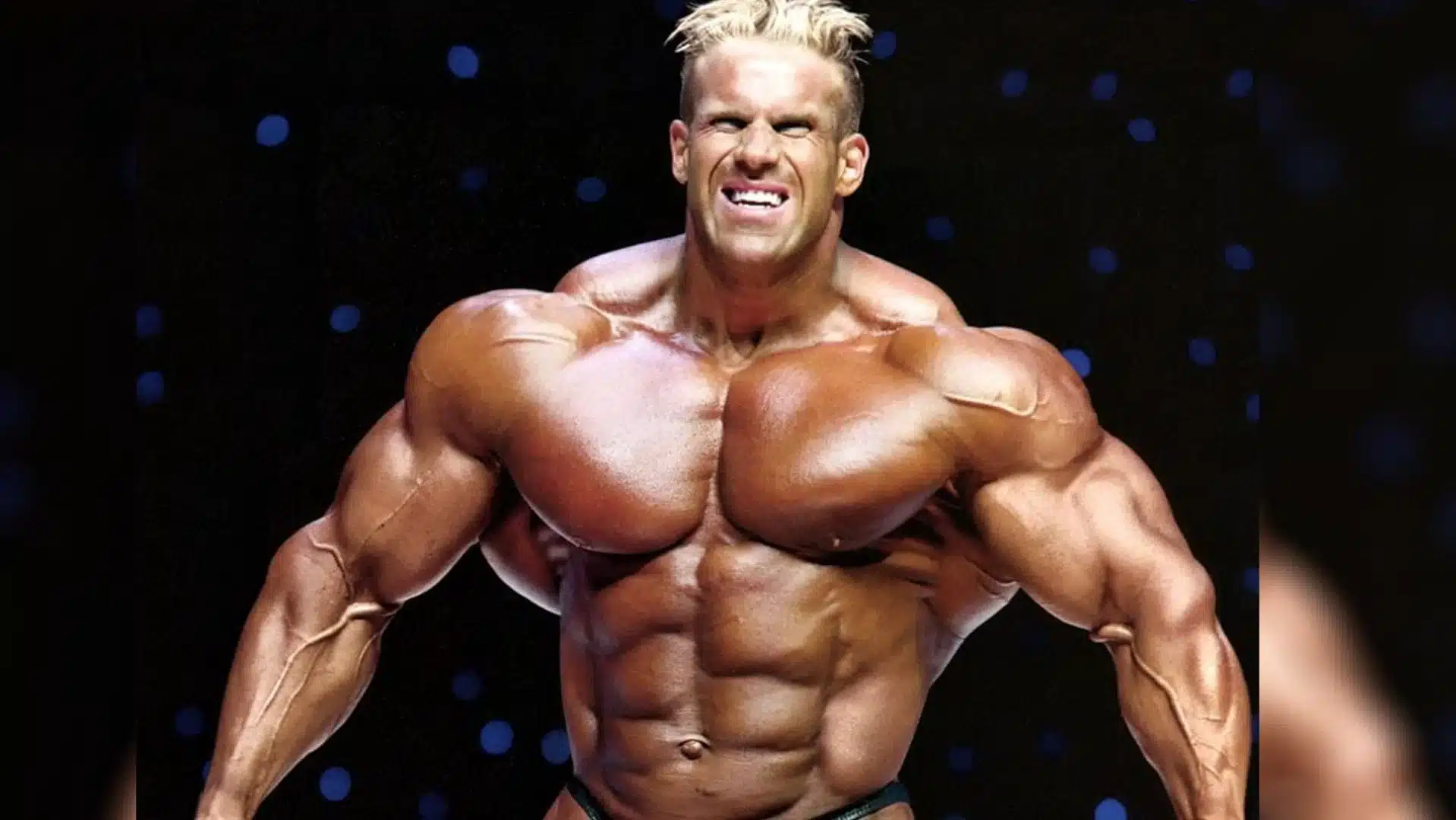
Jay Cutler’s chest workout stands out due to its focus on achieving both symmetry and size. By targeting all areas of the chest — upper, middle, and lower — Cutler’s method ensures a well-rounded, defined chest. This makes his workout ideal for those looking to build a balanced physique with impressive muscle mass. Cutler also prioritizes the functional aspect of chest development, ensuring the chest muscles aren’t just big but also strong and capable of handling heavy lifts.
Jay Cutler’s Chest Training Principles
High Volume Training
One of the most notable aspects of Jay Cutler’s chest training is his preference for high-volume routines. This means performing multiple sets with higher reps to ensure the entire chest is engaged. By targeting the upper, middle, and lower fibers, Cutler’s method leads to both muscle growth and balanced development. High volume training is excellent for those aiming to increase muscle size while improving endurance.
Time Under Tension (TUT)
Time Under Tension (TUT) is key in Cutler’s chest workouts. He focuses on keeping the muscle engaged throughout the lift, which increases the amount of time the chest fibers are under stress. This means controlling the weight during each rep, holding the contraction at the peak, and performing a slow, deliberate stretch during the eccentric phase. This technique ensures optimal muscle breakdown for growth.
Progressive Overload
Another fundamental aspect of Cutler’s chest training is progressive overload. This principle involves gradually increasing the weight and intensity of your workouts to continue challenging the muscles. By progressively increasing the load over time, Cutler ensured consistent chest growth throughout his career.
Rest and Recovery
Though Cutler trained with high intensity, he understood the importance of rest and recovery. Allowing time for muscle repair between chest workouts is vital for making gains without overtraining. Jay’s philosophy emphasizes active recovery, which could include light cardio, stretching, or low-impact exercises to maintain mobility and blood flow while recovering.
Jay Cutler’s Signature Chest Workout
Jay Cutler’s chest workout combines heavy compound lifts and isolation exercises, providing the perfect balance for muscle growth. Here’s a breakdown of his routine:
Flat Barbell Bench Press (4 sets of 8–12 reps)
This is the foundational exercise for building mass in the mid-chest. Cutler focuses on form, recommending a controlled motion with the feet firmly planted. A full range of motion is key, bringing the bar down to the chest and pushing through the entire movement. Jay also suggests using a slightly wider grip to get a deeper stretch and greater activation in the pecs.
Incline Dumbbell Press (4 sets of 8–12 reps)
To develop the upper chest, Cutler uses incline dumbbell presses. This movement helps achieve a full, rounded look. A notable aspect of Jay’s approach is his tendency to adjust the incline angle slightly between sets to hit the upper chest fibers from different angles, promoting more complete development.
Flat Dumbbell Flyes (3 sets of 10–15 reps)
The flat dumbbell fly is an isolation exercise that allows you to stretch and contract the pecs fully. Cutler advises keeping a slight bend in the elbows to protect the joints, and maintaining tension throughout the movement. To maximize chest activation, Jay avoids locking the elbows, keeping the focus on the muscle rather than on the joints.
Incline Cable Flyes (3 sets of 10–12 reps)
To finish off the upper chest, Jay uses incline cable flyes. Cables provide a constant tension throughout the movement, which is especially beneficial during the eccentric (lowering) phase. Jay emphasizes slow, controlled reps for this exercise, ensuring deep muscle engagement and breakdown.
Machine Chest Press (3 sets of 8–10 reps)
As his workout progresses, Cutler often incorporates machines. The machine chest press allows him to add volume without sacrificing form, particularly toward the end of a session when fatigue becomes a factor. Machines provide the stability needed to continue pushing the muscles without worrying about balance or technique breakdown.
Bodyweight Dips (3 sets to failure)
To target the lower chest, Cutler finishes with dips. This movement not only helps develop the lower pectorals but also improves overall chest balance. For maximum chest activation, Jay recommends leaning slightly forward during the dip to prevent the triceps from taking over the movement.
How to Scale Jay Cutler’s Chest Workout
Jay Cutler’s chest workout is intense and suited to advanced athletes, but it can be scaled to fit any level of fitness. Here’s how to adjust the routine based on your experience.
Beginner Level Adjustments
For beginners, the focus should be on form and control rather than weight or volume. Start with lighter weights and reduce the total number of sets. Rest periods can also be longer, allowing time for recovery between sets.
Reduce total sets: 3 sets per exercise.
Use lighter weights and higher reps to focus on mastering form (10–15 reps).
Incorporate machines or cables to maintain control and reduce joint strain.
Rest for 60–90 seconds between sets.
Sample Beginner Routine:
Machine chest press instead of barbell bench press.
Light dumbbell incline presses.
Machine or cable flyes.
Assisted dips or push-ups.
Intermediate Level Adjustments
Intermediate lifters should begin to incorporate more free-weight exercises and start increasing the weight progressively. Rest times should be shortened to keep intensity high.
Increase weights while maintaining proper form.
Decrease rest times to 45–60 seconds.
Focus on increasing muscle tension through slower tempo movements.
Sample Intermediate Routine:
Barbell bench press with moderate weight.
Incline dumbbell press using progressive overload.
Flat dumbbell flyes with a slower tempo.
Cable crossovers or incline cable flyes for definition.
Advanced Level Adjustments
For advanced lifters, increasing volume and intensity through techniques like supersets or drop sets can take your training to the next level. Focus on mind-muscle connection and utilize advanced techniques to target the chest more efficiently.
Increase volume with additional sets or supersets.
Train chest twice a week to increase frequency.
Use drop sets, pause reps, and slow eccentrics to maximize time under tension.
Sample Advanced Routine:
Barbell bench press with drop sets.
Superset incline dumbbell press with incline cable flyes.
Add pause reps on flyes and dips for greater muscle tension.
Common Mistakes to Avoid When Doing Jay Cutler’s Chest Workout
Overloading Too Soon
One of the most common mistakes is attempting to lift too heavy, too soon. This leads to poor form and increases the risk of injury. Focus on mastering form first before increasing the load.
Neglecting Warm-ups
A proper warm-up is essential to avoid injury and ensure your chest muscles are primed for heavy lifting. Start with dynamic stretches and a few light sets of presses to get blood flowing.
Ignoring the Upper Chest
Many lifters neglect their upper chest, which can lead to an imbalanced appearance. Make sure to include incline presses and flyes to develop the upper portion of your chest.
Not Focusing on Full Range of Motion
Partial reps may limit muscle development. Aim for a full stretch at the bottom of each lift and a complete contraction at the top to ensure maximal chest engagement.
Recovery and Nutrition for Optimizing Results
Jay Cutler’s Nutrition Approach
Cutler’s success was built on his disciplined approach to nutrition. He focused on consuming high protein (1–1.5 grams per pound of body weight) to support muscle recovery and growth. Timing is also critical, with Jay emphasizing pre- and post-workout meals for optimal muscle repair.
Key supplements include:
Whey protein for quick absorption post-workout.
BCAAs to support recovery and reduce muscle breakdown.
Creatine to improve strength and power.
Rest Days and Recovery
Recovery is as important as training. Jay emphasized the need for adequate rest between chest workouts to avoid overtraining. Sleep, hydration, and active recovery techniques like foam rolling or stretching were all part of his regimen to stay injury-free and consistently make gains.
Little-Known Tips from Jay Cutler for Chest Development
Varying Grip Width and Angles
Cutler often changed his grip width during pressing exercises to target different areas of the chest. For instance, using a wider grip engages the outer pecs more, while a narrower grip targets the inner chest.
Conclusion
Jay Cutler’s chest workout stands out for its strategic use of volume, progressive overload, and time under tension, all while emphasizing proper form and full chest development. Whether you’re a beginner looking to build foundational strength or an advanced lifter aiming for muscle mass and definition, Cutler’s approach can be adapted to fit your goals.
Scaling this routine ensures that anyone, regardless of experience level, can take advantage of these principles and progressively build a powerful chest. With the right mindset, consistency, and dedication, applying Jay Cutler’s workout philosophy can lead to impressive, sustainable results in both chest strength and size.