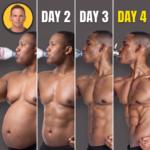
Visceral fat—the dangerous fat wrapped around internal organs—isn’t just about calories in versus calories out.
According to Dr. Michael Diamonds, a medical doctor with degrees in biochemistry and microbiology, the gut plays a far bigger role in visceral fat storage than most people realize.
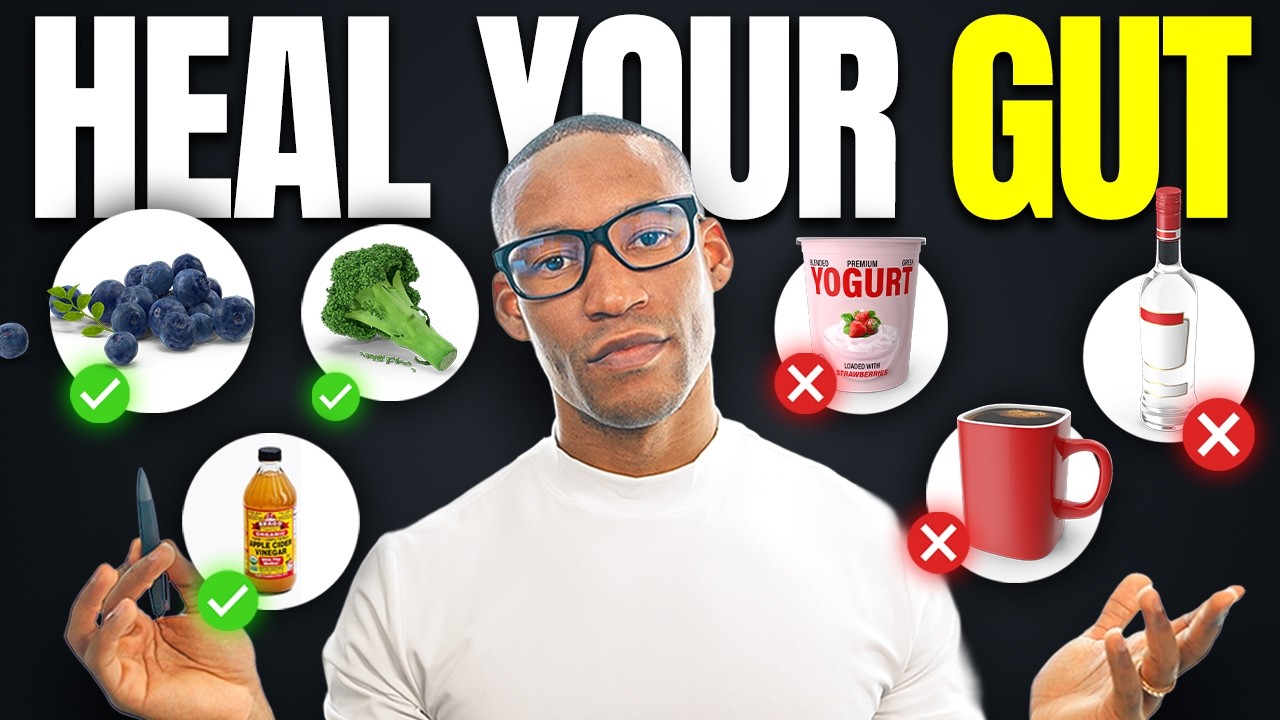
When gut health deteriorates, a condition called dysbiosis sets in, inflammation rises, and fat loss becomes an uphill battle.
In a recent video, Dr. Diamonds outlined four everyday “villains” that damage the gut—and four powerful “heroes” that help repair it.
Jump to:
- Villain #1: Emulsifiers—The Mucus Shredders
- Villain #2: Alcohol—The Gut Dissolver
- Villain #3: Artificial Sweeteners—The Microbiome Hijackers
- Villain #4: Seed Oils—The Inflammatory Foods
- Hero #1: Meal Spacing—The Cleanup Crew
- Hero #2: Fiber—Bacteria Fuel
- Hero #3: Prebiotics—The Selective Fertilizer
- Hero #4: Fermented Foods—Diversity Builders
- How to Track Gut Healing Without Apps or Devices
Villain #1: Emulsifiers—The Mucus Shredders
Open your fridge and grab a protein bar, almond milk, or low-fat yogurt. Flip it over and scan the ingredients.
Chances are, you’ll spot polysorbate 80, carboxymethylcellulose, or carrageenan—emulsifiers added to keep foods from separating or crumbling.
Your gut is lined with a protective mucus layer that keeps bacteria at a safe distance from your immune system. Emulsifiers, however, have been shown in animal studies to thin that barrier, allowing bacteria to drift closer than they should.
When that happens, your immune system reacts. Inflammation spikes. And that internal signal pushes your body toward storing visceral fat.
When they’re doing everything right, they’re tracking their macros, they’re doing the workouts, they’re sleeping well, but they say, ‘Hey, Dr. Mike, I’m still feeling bloated. I’m still feeling inflamed. I feel stuck.’ Emulsifiers often tend to be the hidden culprit.
Dr. Diamonds shared the story of Liz, a client who ate clean for months but still woke up bloated and puffy. After reviewing photos of her fridge, his team discovered nearly everything she thought was healthy contained emulsifiers.
They swapped them out. Within a week, her bloating disappeared, and her morning waist measurement dropped nearly an inch—without changing anything else.
What to Do Instead
- Salad dressings: Choose olive oil and vinegar
- Yogurt: Buy plain Greek yogurt and add fresh berries or honey
- Almond milk: Look for brands with only almonds, water, and maybe salt—nothing else
Villain #2: Alcohol—The Gut Dissolver
Everyone knows alcohol isn’t healthy. But most people don’t realize how hard it hits the gut lining.
Your intestinal lining is held together by tight junctions—protein seals between cells that control what passes through. Think of them like grout between shower tiles.
Alcohol weakens those seals. Once tight junctions loosen, bacteria and endotoxins—toxic byproducts from certain bacteria—can slip through the gut wall into the bloodstream.
This is called increased intestinal permeability, or leaky gut. Your immune system reacts with systemic inflammation, one of the strongest internal drivers of visceral fat.
The surprising part? This doesn’t require heavy drinking. Even moderate drinking—just a few drinks per week—can increase permeability in some people. One heavy night out can take days or weeks for your gut to settle down.
No alcohol is best for gut repair. But if you’re going to drink, make it intentional but not automatic. Space it out. If you drink on a Friday, wait until the next weekend. Give your gut time to recover.
Always eat before drinking. Food slows absorption and reduces the hit on your gut lining.
Villain #3: Artificial Sweeteners—The Microbiome Hijackers
Artificial sweeteners—also called nonnutritive sweeteners—seem like a smart swap. No sugar equals fewer calories, right?
Dr. Diamonds still consumes them personally and considers them a net positive compared to real sugar. But he’s quick to present the science, even when it stings.
Artificial sweeteners can shift your gut microbiome in ways that make blood sugar harder to control, ramp up cravings, and interfere with metabolic signals that usually help regulate fat loss.
They’re not real food for your beneficial gut bacteria. They give good microbes nothing to ferment. In some people, this pushes the microbiome toward species that impair blood sugar control, making visceral fat loss much harder.
You’ll find them everywhere: diet sodas, sugar-free gum, protein powders, flavored waters—anything labeled “zero sugar,” “light,” or “sugar-free.”
Better Alternatives
- Monk fruit: A natural sweetener made from crushed, dried fruit. Less sweet than stevia, but gentler on the gut
- Coffee: Try it black, especially during fasting. Dr. Diamonds noticed fewer sugar cravings after making this switch
- Soda: Swap diet soda for sparkling water with lemon or lime
- Sweetness in general: Use honey or stevia leaf extract paired with enough fiber—your gut handles natural sweetness far better
Villain #4: Seed Oils—The Inflammatory Foods
Canola oil. Corn oil. Soybean oil. Sunflower oil. These ultraprocessed seed oils all contain omega-6 fats.
Omega-6 fats aren’t inherently bad—they’re essential fatty acids your body can’t make on its own. The problem isn’t omega-6 itself. It’s the imbalance.
Your body also needs omega-3 fats, the anti-inflammatory fats found in salmon, sardines, mackerel, flax seeds, and chia seeds. The ratio between omega-6 and omega-3 matters far more than most people realize.
Historically, humans consumed closer to a 3:1 or 4:1 ratio. Today, because seed oils are added to so many processed foods, most people lean closer to 15:1 or even 20:1.
When the ratio tips too heavily toward omega-6, your body enters a more inflammatory state.
Here’s what hits the gut hardest: When seed oils are used in restaurant and fast-food fryers, they’re heated and reheated repeatedly. This constant heat oxidizes the oils, forming inflammatory compounds that irritate the gut lining.
Every time you eat fries cooked in vegetable oil or heavily processed snacks, you’re not just getting empty calories—you’re getting hit by damaged fats.
Where Do Seed Oils Show Up?
- Salad dressings
- Mayo
- Chips and crackers
- Frozen fried foods
- Almost every restaurant fryer
Better Options
- Olive oil (in a dark bottle)
- Avocado oil
- Butter or ghee
- Coconut oil
If you use seed oils at all, keep heat low to medium so you don’t recreate that industrial deep-fryer effect.
Hero #1: Meal Spacing—The Cleanup Crew
Your gut has a built-in cleaning system called the migrating motor complex (MMC).
Every 90 minutes when you’re not eating, your intestinal wall sends a wave of muscle contractions that sweep out leftover food and bacteria. Think of it like a Roomba for your gut.
But it only runs when the kitchen is closed.
If you’re constantly snacking, eating, or sipping calorie-containing drinks, those cleaning waves never complete a solid run. Food sits in your gut too long. Bacteria drift into areas they don’t belong. You feel more bloated, inflammation rises, and the signals encouraging visceral fat storage strengthen.
This is when people do long fasts, they say, ‘I feel amazing.’
How to Give Your MMC a Chance to Work
- Space meals about 4 hours apart
- Between meals, drink water, black coffee, or plain tea
- Stop eating every 3 hours or less
- Stop eating 3 hours before bed
- Aim for a 12- to 14-hour overnight fast
This alone can dramatically change how your gut feels.
Hero #2: Fiber—Bacteria Fuel
Beneficial gut bacteria need fuel. That fuel is fiber.
Fiber is the part of plant foods your body can’t digest—but your bacteria can. That’s the whole point.
When fiber reaches your colon, gut bacteria ferment it and produce short-chain fatty acids (SCFAs)—compounds that repair your intestinal barrier, lower inflammation, support better blood sugar control, and strengthen your mucus layer.
When you undereat fiber, beneficial bacteria starve. SCFA production drops. The gut lining weakens. Inflammation rises. Signals encouraging visceral fat storage strengthen.
Most people think they’re eating enough fiber. But average intake hovers around 10 to 15 grams per day—barely half of what supports basic gut and metabolic health.
It’s not just about hitting a number. It’s about giving your gut bacteria a daily supply of what they need to function.
The 3-2-1 Rule
- 3 cups of vegetables
- 2 pieces of fruit
- 1 serving of whole grains or legumes
No complicated tracking. Just hit those, and you’re giving your gut the raw materials it needs to repair itself.
Hero #3: Prebiotics—The Selective Fertilizer
Not all fiber is created equal. Some fiber adds bulk and helps things move along. But prebiotic fibers do something more targeted: they selectively feed beneficial gut bacteria.
Think of prebiotics as fertilizer your gut craves.
When you eat prebiotic-rich foods, species like Bifidobacterium and Lactobacillus multiply. As they grow, they naturally crowd out more inflammatory microbes, shifting your overall microbiome toward an environment that supports steady blood sugar control, strengthens the gut lining, and makes visceral fat loss easier over time.
Best Sources of Natural Prebiotics
- Garlic
- Onions
- Leeks
- Asparagus
- Jerusalem artichokes
- Green bananas
- Cooked and cooled potatoes or rice
When you cook specific starches, structural changes occur, creating something called resistant starch—pure food for your gut bacteria.
As you increase prebiotic intake, you might feel a little gassy or fuller at first. This is often your microbes adjusting to finally getting the fuel they’ve been missing. Start small, give your gut a week or two to adapt, then gradually build up.
Hero #4: Fermented Foods—Diversity Builders
Fiber and prebiotics feed beneficial gut bacteria you already have. Fermented foods introduce new ones.
Most probiotic supplements contain a small handful of strains. Fermented foods can contain dozens, sometimes hundreds, that survive stomach acid and dramatically improve intestinal health.
This influx of new microbes increases microbial diversity in your gut—improving inflammation, metabolic health, and digestion stability.
That matters because a diverse microbiome creates the exact internal environment where visceral fat becomes much easier to lose. It’s the difference between a gut that constantly feels irritated and inflamed versus one that functions smoothly and sends the right metabolic signals.
Rotate Through These Fermented Foods
- Plain yogurt
- Kefir
- Sauerkraut
- Kimchi
- Naturally fermented pickles
Make sure labels say “live cultures,” “naturally fermented,” or “unpasteurized”—that’s how you know beneficial bacteria are still intact.
One serving per day is enough to make a difference.
How to Track Gut Healing Without Apps or Devices
You don’t need to overhaul everything at once. Just pick one villain to reduce and one hero to add. Stay consistent for a few weeks.
Your body will start sending different signals—calmer, less inflamed signals that make visceral fat easier to lose.
Here’s the simple tracking method Dr. Diamonds recommends:
Every morning, rate your bloating from 1 to 5 and note how your waist feels in the same pair of pants. Those two things are the clearest home indicators that your gut is healing.
Maybe you cut out emulsifiers. Maybe you add fermented foods. Maybe you reduce alcohol or give your gut a 12- to 14-hour overnight fast.
Fix the gut, and you change the internal signals keeping visceral fat stuck.