Improving health and fitness doesn’t require gruelling gym sessions or extreme diets.
TV presenter Lorraine Kelly has proven that simple, sustainable habits can transform your body at any age.
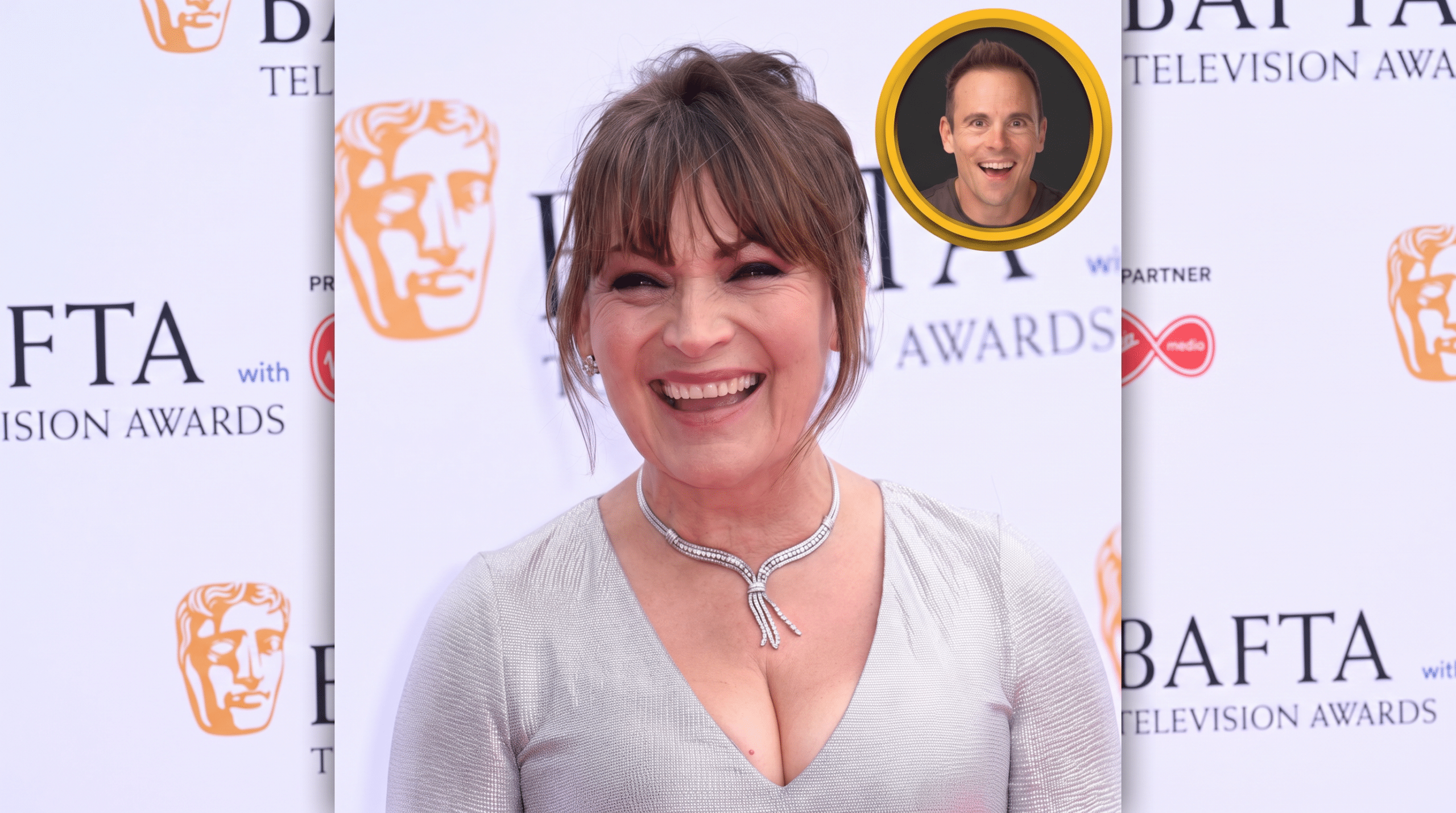
At 66, she’s sharing the low-impact routine that helped her reclaim her waist and feel stronger than ever.
Her secret? Walking, swimming, and twice-weekly strength sessions designed specifically for people over 60.
Jump to:
- The Simple Routine That Transformed Lorraine Kelly’s Body
- Why Walking Is One of the Most Underrated Fat Loss Tools
- How Swimming Supports Fat Loss and Muscle Tone
- Why Muscle Matters More After 60
- The Power of Sustainable, Enjoyable Movement
- Key Takeaways from Lorraine Kelly’s Approach
- How to Apply This to Your Own Routine
- Final Thoughts
- Sources
The Simple Routine That Transformed Lorraine Kelly’s Body
Speaking in a recent interview with Closer magazine, Kelly revealed that walking and swimming—not high-intensity workouts—have been central to her sustainable weight loss.
I’ve got my waist back thanks to exercising and walking. I do a lot of swimming as well. I’m always going to be somebody that’s got a wee bit of a tummy, because I’m a woman and we do have that. But thanks to all the exercise I’ve definitely noticed a difference all over really.
Kelly’s approach is refreshingly realistic. She acknowledges her body as it is while celebrating the tangible improvements she’s experienced.
No products found.
Beyond cardio, Kelly incorporates two strength training classes per week, which she attends alongside her husband. Speaking on an episode of Saga Magazine’s Experience is Everything podcast, she explained that these sessions are tailored for people over 60 and focus on muscle strength and balance—two critical components of healthy ageing.
Why Walking Is One of the Most Underrated Fat Loss Tools
Walking may not feel intense, but science backs its effectiveness for weight management and overall health.
Walking is one of the most underrated tools for sustainable fat loss. Regular walking increases daily energy expenditure without placing excessive stress on the body, helping to preserve muscle mass while improving insulin sensitivity, cardiovascular health and overall metabolic function.
Dr Michaela Gulyas of SKNCode London shared this insight with Women’s Health, highlighting how walking supports fat loss without muscle loss—a crucial distinction as we age.
Research published in Frontiers in Public Health confirms that walking at any pace—even a leisurely stroll—can boost fitness levels. Brisk walking offers additional cardiovascular benefits, improved stamina, and enhanced mood.
The beauty of walking lies in its accessibility. No equipment, no membership fees, no complicated technique. Just consistent, intentional movement.
How Swimming Supports Fat Loss and Muscle Tone
Swimming offers a unique combination of cardiovascular conditioning and muscle engagement.
No products found.
Unlike running or cycling, swimming works nearly every major muscle group simultaneously. Emily Morrissey, a swimming instructor for Swimming Nature, explained the full-body benefits.
It offers the potential to tone up pretty much everywhere. Someone who starts working hard in the pool could expect to see more definition in their arms, upper body and thighs in particular.
Because water provides natural resistance, swimming builds and maintains muscle while being gentle on joints—ideal for anyone managing inflammation, arthritis, or previous injuries.
As a form of cardio, swimming also increases daily energy expenditure, supporting calorie deficit and fat loss when paired with balanced nutrition.
Why Muscle Matters More After 60
Muscle mass naturally begins to decline after age 30, but the rate accelerates during and after menopause.
When oestrogen levels drop rapidly, muscle loss can speed up significantly, affecting metabolism, bone density, balance, and overall strength.
That’s why Kelly’s approach—combining cardio that supports muscle (like swimming) with dedicated strength training—is so effective.
No products found.
Strength training doesn’t mean lifting heavy weights or spending hours in the gym. Classes designed for people over 60, like the ones Kelly attends, focus on functional movements that improve balance, stability, and everyday strength.
What This Looks Like in Practice
- Walking regularly: Daily walks, varying in intensity and duration
- Swimming consistently: Several sessions per week for full-body conditioning
- Strength training twice weekly: Age-appropriate classes focusing on muscle strength and balance
- Realistic expectations: Celebrating progress without chasing perfection
The Power of Sustainable, Enjoyable Movement
Kelly’s transformation isn’t built on deprivation or punishment. It’s rooted in consistency and enjoyment.
She’s chosen activities she genuinely likes—walking, swimming, and strength classes with her husband—making it far more likely she’ll stick with them long-term.
This psychological component is often overlooked. Exercise adherence drops dramatically when routines feel like a chore. Finding movement that fits your lifestyle and preferences is half the battle.
Kelly’s routine also sidesteps the joint stress and injury risk associated with high-impact activities, making it sustainable for decades, not just weeks or months.
Key Takeaways from Lorraine Kelly’s Approach
Kelly’s fitness philosophy offers valuable lessons for anyone looking to improve health and body composition, regardless of age.
No products found.
- Low-impact doesn’t mean low-effectiveness: Walking and swimming deliver serious results when done consistently
- Strength training is non-negotiable: Preserving muscle mass protects metabolism, bones, and functional independence
- Realistic goals lead to lasting change: Accepting your body while working to improve it creates a healthier mindset
- Enjoyment fuels consistency: Choose activities you actually like, and you’ll keep showing up
- Age is just a number: Sixty-six is an excellent time to build strength, lose fat, and feel vibrant
How to Apply This to Your Own Routine
If Kelly’s approach resonates with you, here’s how to adapt it to your life.
Start With Walking
Aim for daily walks, even if they’re short. Gradually increase duration or intensity as fitness improves. A brisk 30-minute walk five days per week is a solid baseline.
Add Swimming If Accessible
Two to three swimming sessions per week can complement walking beautifully. Focus on steady, continuous movement rather than speed or distance.
Prioritise Strength Training
Look for classes or programmes designed for your age group and fitness level. Twice weekly is enough to see meaningful improvements in muscle strength, balance, and bone density.
If classes aren’t available, bodyweight exercises at home—squats, lunges, push-ups, planks—are highly effective.
Be Patient and Consistent
Kelly’s results didn’t happen overnight. Sustainable change takes time, but consistency always wins.
No products found.
Track your progress through how you feel—energy levels, strength, mood, sleep quality—rather than obsessing over the scale.
Final Thoughts
Lorraine Kelly’s fitness transformation is a testament to the power of simple, sustainable habits.
Walking, swimming, and strength training—done consistently and enjoyably—can reshape your body and boost your health at any age.
You don’t need extreme workouts or restrictive diets. You need a plan that fits your life, respects your body, and keeps you moving for the long haul.
Kelly’s got her waist back, her strength up, and her confidence soaring. You can too.
Sources
- Frontiers in Public Health – Walking at any pace improves fitness: https://pmc.ncbi.nlm.nih.gov/articles/PMC11282331/