Struggling with speed in Olympic lifts? You’re not alone. One of the most common barriers lifters face is moving quickly—and confidently—under the bar, especially in the snatch.
In a recent tutorial, expert coach Sonny from The Lifting Zone breaks down exactly how to train this crucial skill.
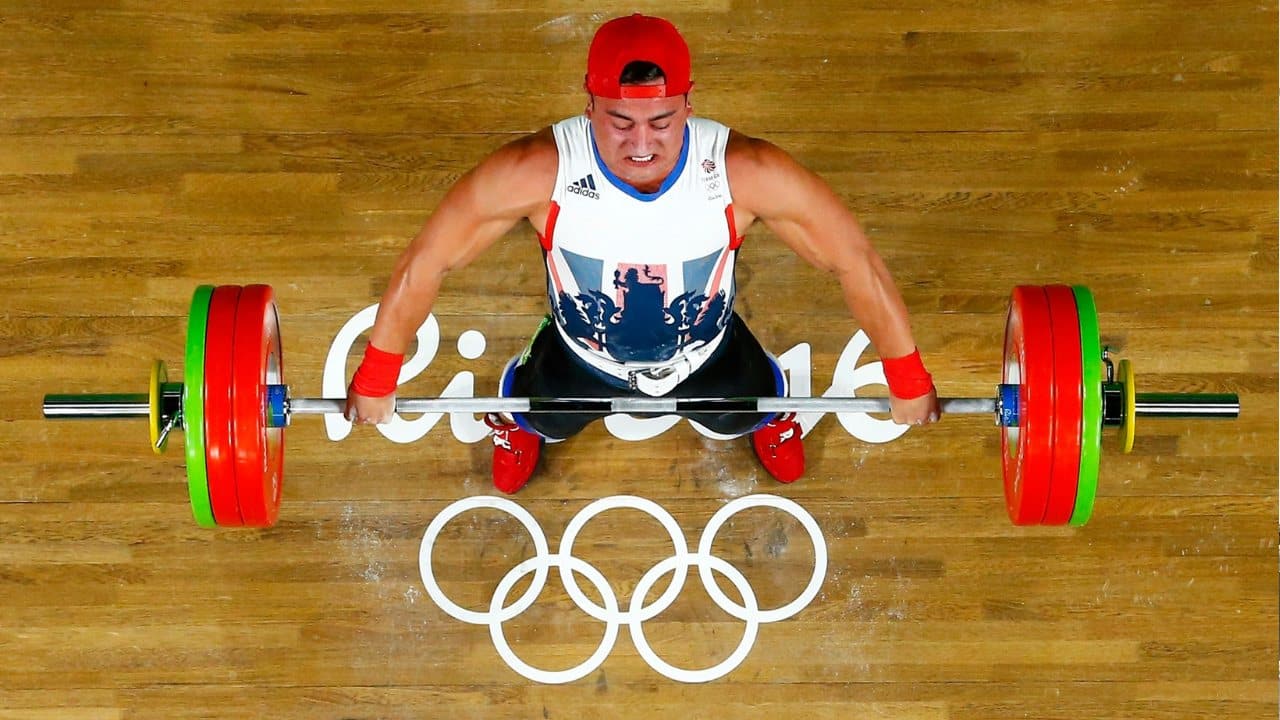
From mastering the snatch balance to refining bar path and building strength through full range, this guide will show you the drills, mobility solutions, and mindset shifts needed to finally become fast and fluid in the receiving position.
Jump to:
- Why Speed Under the Bar Matters
- Step 1: Build Dynamic Receiving Skills with Snatch Balance Drills
- Step 2: Prioritize Bar Path and Reduce Upper Body Interference
- Step 3: Train Speed and Strength Through the Full Range
- Step 4: Prime Explosiveness with Plyometrics
- Step 5: Address Underlying Mobility Limitations
- Final Words of Advice
Why Speed Under the Bar Matters
It’s not enough to just lift the barbell high. In lifts like the snatch or clean, success often depends on how quickly—and how precisely—you can get underneath it. As Sonny puts it,
“There’s no benefit to dropping quick if you’re not doing it under control or knowing where the bar is in relation to the body.”
Ultimately, the ability to receive the bar in a stable, deep position is what separates consistent performers from lifters who miss lifts at the bottom. Let’s look at how to build that speed—with control and precision.
Step 1: Build Dynamic Receiving Skills with Snatch Balance Drills
Drop Snatch Balance
This variation eliminates momentum and forces you to focus on speed and coordination into the receiving position. Start with:
- Bar on your back, relaxed grip, narrow stance
- Drop straight into the overhead squat receiving position
- Feet land the moment arms lock out
Perform 5 sets of 5 reps, resetting foot position with each attempt. The focus is being as dynamic as possible while still landing in the correct stance—just outside shoulder width, allowing your hips to sit between your ankles without losing chest position.
A common issue is going too wide or too narrow. Sonny tip: place plates on the floor where your feet should land to develop consistency.
Snatch Balance with Leg Drive
This version introduces bar movement and higher loading—up to 100–110% of your best snatch.
- Feet are close, elbows tucked under the bar
- Dip using the legs, then drive the bar slightly upward
- Drop under into a controlled squat position
Don’t overemphasize the drive. The goal isn’t to throw the bar—it’s to move under with speed and balance. Keep elbows below the bar and hands relaxed.
Step 2: Prioritize Bar Path and Reduce Upper Body Interference
Keep the Bar Close to the Body
The bar should remain centered over the mid-foot during the entire lift. From the floor to the hip, your legs should guide the bar up in a straight vertical path. That allows for efficient acceleration through the middle.
When an athlete uses their arms too early, their elbows rise above their hands, and the bar swings away from the body. This leads to inefficient, looping bar paths—and makes it nearly impossible to move fast underneath it.
Fix the Dreaded Arm Bend
If you bend your arms prematurely, try this drill:
- Start with snatch deadpulls to waist height
- Keep arms completely straight
- Lower the bar, then snatch using the same feeling and timing
This teaches relaxation in the arms and emphasizes correct bar tracking and turnover. Sonny emphasizes that:
“When the arms are passive and the bar floats, the feet can move freely, allowing for a faster catch.”
Step 3: Train Speed and Strength Through the Full Range
Ride the Bar with Control
While it may seem counterintuitive, riding the bar down in a controlled fashion develops strength throughout your entire squat range. Sonny explains the importance:
“If I just drop, I’m not building strength through the movement. Control gives me confidence at the bottom.”
Match Effort to Load
Only exert as much force as you need. Lift 50% of your max with 50% of your effort. Overexerting during lighter lifts can cause inconsistencies in bar path and stress the body unnecessarily. Save maximum effort for your heaviest singles.
Step 4: Prime Explosiveness with Plyometrics
Depth Drops to Box Jumps
This simple yet effective drill builds reactivity and confidence:
- Stand on a platform, drop down, and immediately rebound onto a low box
- Focus on quick reaction from the floor, not maximum height
Perform 10 sets of 10 reps as part of your accessory work.
Bounding for Horizontal Power
Start bounding over 1-meter intervals, then progress to 1.5 meters. The key is minimizing ground contact time while maintaining control over distance and balance.
Step 5: Address Underlying Mobility Limitations
If you can’t reach depth or feel unstable in the bottom position, mobility—not effort—may be holding you back. Key areas to focus on include:
Ankle Mobility
Ankle dorsiflexion lets your knees track forward in the squat, improving depth and reducing forward lean. Use targeted drills from mobility manuals or banded stretches.
Hip and Adductor Flexibility
If your adductors are tight, you’ll struggle with a wide squat stance. Sonny recommends:
- Teddy bear stretch: Sit with legs spread, lean forward, toes up
- Internal/external hip rotation: Drop knee down and lift foot up, mimicking snatch foot position
- Wall Sit Variation: Hook ankle over opposite thigh, press knee away, repeat
Familiarization with Bottom Position
Spend time sitting in a deep squat daily. Practice standing and squatting without letting the chest fall—train the legs to push from the lowest point.
Final Words of Advice
Trying to be fast before mastering positions will only lead to missed lifts and frustration. Start by controlling the bar path, refining your movement patterns, and improving mobility. Once those foundations are in place, speed will come naturally.
As Sonny wisely says,
“Speed isn’t your friend when you start. Being in control of where the bar is in relation to the body is most important.”