Health advice has spiraled out of control.
What used to be simple—eat well, sleep enough, move your body—has morphed into an overwhelming checklist of contradictions that leave people paralyzed instead of empowered.
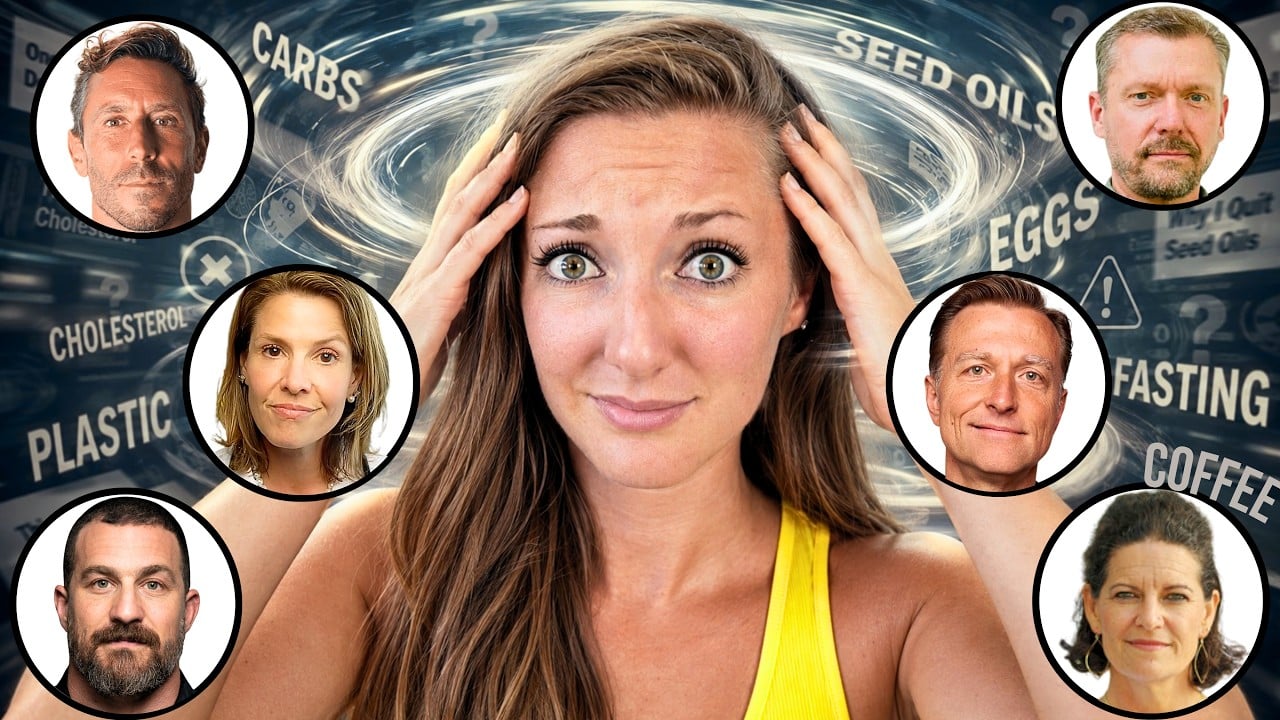
Certified nutrition health coach Lily recently called out this exhausting trend in a candid video, pointing out how modern wellness culture has transformed from genuinely helpful to genuinely stressful.
Her message? It’s time to stop adding to your health to-do list and start taking things off.
Jump to:
When Health Becomes a Full-Time Job You’re Always Failing At
Lily opens with a relatable rant that captures the modern health dilemma perfectly.
I need to avoid plastics, but my chicken comes in plastic. I should avoid mercury, though my shrimp has trace amounts in it. I need to avoid aluminum, but my salmon comes in aluminum cans. I’ve got to fast, but not too much fasting, otherwise I’ll hurt my hormones.
Sound familiar? This constant barrage of dos and don’ts creates what Lily describes as analysis paralysis—too many decisions, too much conflicting information, and ultimately, more stress than benefit.
The irony? Stress itself can increase inflammation and damage both physical and mental health, potentially negating any benefits from following all those rules in the first place.
Red Flag #1: Extreme, Rigid Health Advice
According to Lily, one major warning sign of health misinformation is when everything sounds extreme and rigid.
Never eat carbs. Coffee taxes your adrenals. Dairy makes you fat. Vegetables are poison.
When normal life starts feeling scary, something’s wrong. Suddenly you’re standing in your kitchen wondering if everything you’re doing is toxic.
If everything is a problem, then nothing is actionable. And so you don’t end up healthier, you just end up overwhelmed.
Lily emphasizes that this constitutes misinformation—not because concerns about plastics or organic produce aren’t valid, but because the level of danger being communicated is wildly out of proportion to what actually matters.
Her Solution: Weigh Pros and Cons
Instead of panicking about every potential toxin, Lily makes conscious trade-offs.
Yes, her fish comes in an aluminum can. But the protein, omega-3s, and nutrients far outweigh any minimal risk from the packaging.
- Is her laundry detergent perfect? Probably not, and she’s not losing sleep over it.
- Should she avoid natural flavors? Maybe, but it’s a small thing.
- Are broccoli and blueberries dangerous? When she hears that, she’s out.
Good health content should inspire and motivate people, not make them feel like they’re constantly failing.
Red Flag #2: Cherry-Picked Science
Studies can be misleading when taken out of context.
Cherry-picking happens when someone presents research that supports their view while quietly ignoring ten other studies that contradict it. This makes something seem like established fact when it’s really just one interpretation.
Take eggs as an example. For decades, research suggested eggs raised cholesterol and clogged arteries. Then the narrative flipped—suddenly eggs became a superfood. Both positions cited scientific studies. Both sounded credible.
So which is true?
Nutrition science is messy, and Lily trusts sources that acknowledge this honestly rather than presenting everything as black and white.
The person who I trust most online is going to tell me that honestly. They’re going to say, hey, we don’t fully know yet. There’s mixed answers on this.
Red Flag #3: AI-Generated “Experts”
Perhaps most concerning is the rise of fake health experts created entirely by artificial intelligence.
These AI personas look professional, sound confident, wear white coats, and offer advice—but have zero credentials, no clinic, and completely fabricated information.
Lily recently encountered a viral video featuring a 103-year-old woman sharing health secrets, crediting her longevity to eggs, butter, and cholesterol-rich foods. Within seconds, something felt off.
Checking the description revealed the video was AI-generated. What made it scary wasn’t the video itself—it was the thousands of comments from people thanking “her” for advice, arguing the video wasn’t fake.
AI-generated content is polished, professional, and increasingly difficult to distinguish from reality. Discernment matters more than ever.
The Health Advice Lily Stopped Following
After years watching wellness culture become increasingly extreme, Lily realized she needed to quit one big piece of advice: the belief that perfect optimization equals health.
For a while, health felt like an endless game of almost—almost avoiding enough toxins, almost eating clean enough, almost buying the best products, almost fasting long enough.
That mindset made her anxious, rigid, and constantly second-guessing basic decisions.
Once I finally gave myself permission to not be perfect and to just do the best that I could do, that’s when I finally started just feeling like myself and having more confidence.
Three Simple Health Rules That Actually Matter
Instead of chasing perfection, Lily focuses on three foundational principles.
Rule #1: Prioritize Sleep and Stress Management
Sleep and stress management function as the operating system your body runs on.
When Lily sleeps well, everything else falls into place—better food choices, stable blood sugar, improved workouts, elevated mood, stronger relationships.
When sleep suffers and stress climbs? No perfect diet, supplement, or cold plunge can compensate.
Protect your sleep like it’s everything, because it is.
Rule #2: Eat Mostly Whole Foods (80/20 Rule)
Perfection isn’t required. Lily follows the 80/20 approach—most of the time, she eats minimally processed real foods found in nature.
- Meat, fish, eggs, dairy
- Fruits, nuts, vegetables
- Foods without ingredient lists full of unpronounceable chemicals
She acknowledges people have lost significant weight eating only steak, while others thrive on plant-based diets. The key is sticking to real foods and experimenting to see what makes you feel best.
Rule #3: Move Your Body Regularly
Forget perfect programs, expensive gym memberships, or $200 shoes.
Just move consistently in ways you’ll sustain for years, not just weeks.
- Walking outside
- Dancing in the grocery store
- Stretching at home
- Gardening, swimming, chasing kids
Movement benefits your brain, heart, digestion, blood sugar, muscles, and bones. This is one area where health experts actually agree—any movement beats no movement.
The Healthiest People Aren’t Doing the Most
After years in the wellness industry, Lily has observed something counterintuitive.
The healthiest people aren’t the ones doing everything. They’re the ones who found a few things that work well, made peace with imperfection, and stopped letting internet noise control their lives.
You don’t need to throw away your microwave, panic over canned salmon, or buy $400 organic cotton t-shirts to call yourself healthy.
Sleep well. Eat real food most of the time. Keep moving.
Everything else? Just details. The cherry on top.
In an era where wellness feels overwhelmingly complicated, perhaps the most radical act is choosing simplicity—and giving yourself permission to be imperfectly, sustainably healthy.