Hidden inside unripe green bananas lies a compound most people overlook at the grocery store.
It’s called resistant starch, and it’s neither traditional fiber nor typical starch like what’s found in rice or pasta.
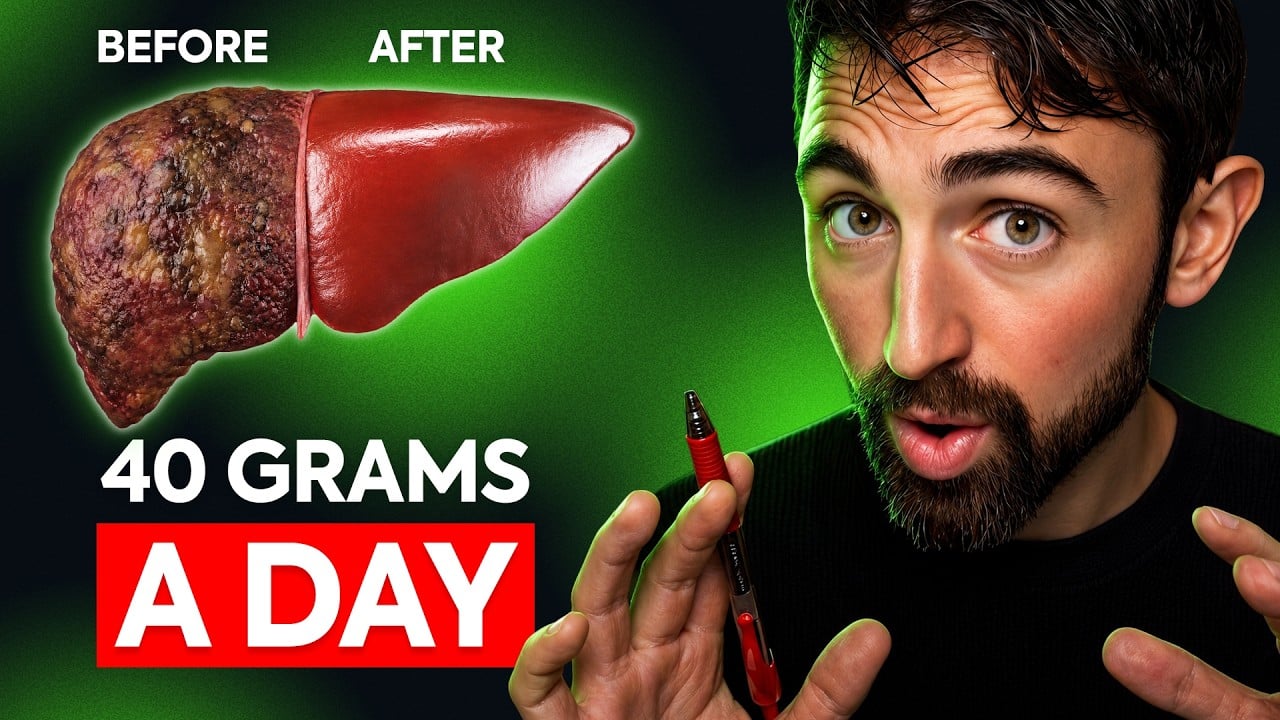
This unique compound reshapes gut microbiome composition and drives profound improvements in metabolic health—dropping weight, body fat, and even visceral fat as proven by MRI imaging.
Best of all, these benefits occur completely independent of caloric intake, backed by rigorous randomized controlled trials that demonstrate some participants losing 100 cm² of visceral fat in just 8 weeks.
Jump to:
What Makes Resistant Starch Different
Chemically, starch consists of glucose molecules linked together in chains. Under normal circumstances, digestive enzymes like salivary amylase and pancreatic amylase efficiently break down starch into glucose molecules that get absorbed in the small intestine as readily available carbohydrate energy.
Resistant starch operates differently. Type 2 resistant starch—the focus of major clinical trials—features highly crystalline structures where glucose chains arrange themselves in ways digestive enzymes simply can’t access easily.

If you want something simple that actually works, this is one of the most effective tools I’ve used to build strength, conditioning, and endurance without needing a full gym setup.
- Full-body training with one weight using swings, squats, and presses
- Solid cast iron build that feels stable and lasts for years
- Comfortable grip that makes high-rep workouts easier to handle
Think of it like tightly packed raw spaghetti bundled together. Same material, but because it’s rigid and compressed, it resists breakdown.
This resistance allows it to evade digestive enzymes and travel intact to the colon. Once there, gut bacteria—which produce dozens of carbohydrate-active enzymes compared to our limited set—slowly erode these crystalline structures through fermentation.
This fermentation process restructures microbiome composition, leading bacteria to produce different hormones that communicate with our bodies, enter the bloodstream, and fundamentally change our biology.
Proven Fat Loss in Rigorous Clinical Trials
A randomized controlled crossover trial published in Nature Metabolism examined 37 men and women with BMIs above 24. Each participant completed two eight-week phases separated by a four-week washout period: one consuming 40g daily of resistant starch, another consuming calorie-controlled control starch.
This crossover design meant each participant served as their own control, eliminating individual variability.
Resistant starch and control starch were packaged in identical sealed bags with an identical appearance and participants and investigators were blinded to the group allocations during the double-blind period.
This design effectively eliminated placebo effects, controlled for calories, and minimized experimental bias. Background diets were also controlled, making this exceptionally rigorous research.
If you want something simple that actually works, this is one of the most effective tools I’ve used to build strength, conditioning, and endurance without needing a full gym setup.
- Full-body training with one weight using swings, squats, and presses
- Solid cast iron build that feels stable and lasts for years
- Comfortable grip that makes high-rep workouts easier to handle
MRI Evidence Shows Dramatic Visceral Fat Reduction
During the resistant starch phase, body weight decreased significantly compared to both baseline and control diet phases. Fat mass also declined with specific, meaningful reductions in visceral fat mass—the inflammatory fat surrounding internal organs that drives cardiometabolic disease.
MRI images revealed substantial reductions in visceral fat within human abdominal cavities after just eight weeks of resistant starch supplementation. One individual saw a decrease of 100 cm² of visceral fat in that short timeframe—a massive change.
However, data spread showed considerable individual variability. Some participants experienced modest but significant reductions while others had dramatic responses.
Benefits Beyond Weight Loss
Resistant starch supplementation also:
- Improved insulin sensitivity
- Reduced inflammatory markers like TNF-alpha
- Enhanced proteins involved in lipid metabolism
- Increased fecal lipid excretion—participants literally excreted more fat and fatty acids
How Resistant Starch Works: Mechanisms of Action
Researchers performed fecal microbiota transplants using stool samples from human participants after either resistant starch or control starch interventions. These samples were transplanted into mice whose microbiomes had been wiped out with antibiotics.
This established causality: If transferring microbiomes conditioned by resistant starch into mice maintained on identical diets could reproduce metabolic benefits observed in humans, then microbiome changes drive these effects.
If you want something simple that actually works, this is one of the most effective tools I’ve used to build strength, conditioning, and endurance without needing a full gym setup.
- Full-body training with one weight using swings, squats, and presses
- Solid cast iron build that feels stable and lasts for years
- Comfortable grip that makes high-rep workouts easier to handle
Mice receiving fecal transplants from humans fed resistant starch lost body weight and fat mass within just two weeks despite identical diets compared to control mice.
Translation: Resistant starch supplementation drives meaningful fat loss, including visceral fat loss demonstrated by human MRIs in double-blind placebo-controlled trials, mediated by changes in gut microbiome composition.
Why Some People Respond While Others Don’t
Not everyone responds equally to resistant starch. Roughly 30% of participants in controlled trials show limited benefits, creating a critical question about what differentiates responders from non-responders.
A 2025 study published in Cell Metabolism was explicitly designed to answer this question. Earlier trials found striking variations in metabolic health responses, particularly liver fat reduction.
High responders experienced liver fat reductions around 58%. Low responders saw reductions as little as 7%.
Same exact protocol. Wildly different outcomes.
If you want something simple that actually works, this is one of the most effective tools I’ve used to build strength, conditioning, and endurance without needing a full gym setup.
- Full-body training with one weight using swings, squats, and presses
- Solid cast iron build that feels stable and lasts for years
- Comfortable grip that makes high-rep workouts easier to handle
Baseline Microbiome Composition Predicts Response
Investigators discovered that baseline microbiome composition predicts who will respond to resistant starch. One bacterial genus called Prevotella is enriched in low responders and shows strong inverse correlation with improvements in liver fat.
Prevotella presence suppresses metabolic benefits of resistant starch by competing with other gut bacteria that more efficiently ferment resistant starch into beneficial metabolites.
More Prevotella equals less benefit from resistant starch.
Conversely, Bifidobacterium pseudocatenulatum—capable of metabolizing resistant starch—showed opposite patterns. Its presence predicted stronger metabolic responses among high responders.
Simply put: Responsiveness depends on the balance between microbes like Prevotella (which can’t break down resistant starch) and bacteria that efficiently degrade it.
Actionable Insights: Where to Start
Most studies used Type 2 resistant starch, specifically high-amylose maize starch (Hi-Maize 260) at doses of 40g per day.
If you want something simple that actually works, this is one of the most effective tools I’ve used to build strength, conditioning, and endurance without needing a full gym setup.
- Full-body training with one weight using swings, squats, and presses
- Solid cast iron build that feels stable and lasts for years
- Comfortable grip that makes high-rep workouts easier to handle
Interestingly, investigators reported no significant gastrointestinal side effects—no nausea, bloating, diarrhea, or changes in stool frequency at this dose.
How to Implement Resistant Starch Supplementation
If trying resistant starch personally, consider titrating up gradually:
- Week 1: 10g daily
- Week 2: 20g daily
- Week 3: 30g daily
- Week 4+: 40g daily if tolerated well
Type 2 resistant starch can also be obtained from unripe green bananas—approximately six green bananas provide the 40g dose used in studies. However, resistant starch breaks down with high-heat cooking, so green bananas must be consumed raw or blended into drinks like kefir or yogurt.
The simplest approach involves high-amylose maize starch powder mixed into beverages.
Determining If You’re a Responder
While baseline microbiome testing could assess for relevant bacteria, a more functional approach involves tracking metrics like body weight and body fat percentage to see if you respond.
Remember: Approximately 30% are low responders, meaning 70% are mid-to-high responders. Odds favor responsiveness.
If you want something simple that actually works, this is one of the most effective tools I’ve used to build strength, conditioning, and endurance without needing a full gym setup.
- Full-body training with one weight using swings, squats, and presses
- Solid cast iron build that feels stable and lasts for years
- Comfortable grip that makes high-rep workouts easier to handle
Can Probiotics Enhance Response?
Pairing resistant starch with probiotics that degrade it may offer advantages. Bifidobacterium longum is well-studied for metabolizing Type 2 resistant starch—the same type used in these trials.
This represents one key strain in quality probiotics designed not only to function as effective probiotics but also to support resistant starch metabolism.
The Future of Personalized Nutrition
Resistant starch represents something rare in nutrition science: a simple, accessible dietary intervention supported by multiple rigorous human trials, mechanistic animal studies, and clear biological frameworks explaining both success and failure.
The data make one thing unmistakably clear—metabolic health isn’t just about what you eat, but how your personal microbiome interprets it.
The future of nutrition isn’t one-size-fits-all prescriptions or simple “good versus bad” categorizations. It’s personalized, microbiome-informed strategies that recognize biochemical individuality.
That reality is simultaneously humbling and exciting—a reminder that human biology remains far more nuanced than reductive dietary dogma suggests.
If you want something simple that actually works, this is one of the most effective tools I’ve used to build strength, conditioning, and endurance without needing a full gym setup.
- Full-body training with one weight using swings, squats, and presses
- Solid cast iron build that feels stable and lasts for years
- Comfortable grip that makes high-rep workouts easier to handle