Reverse planks might be the antidote to years of slouching at desks and staring down at screens.
This deceptively simple exercise is gaining viral attention for its ability to flatten stomachs, correct pelvic tilt, and awaken dormant core muscles.
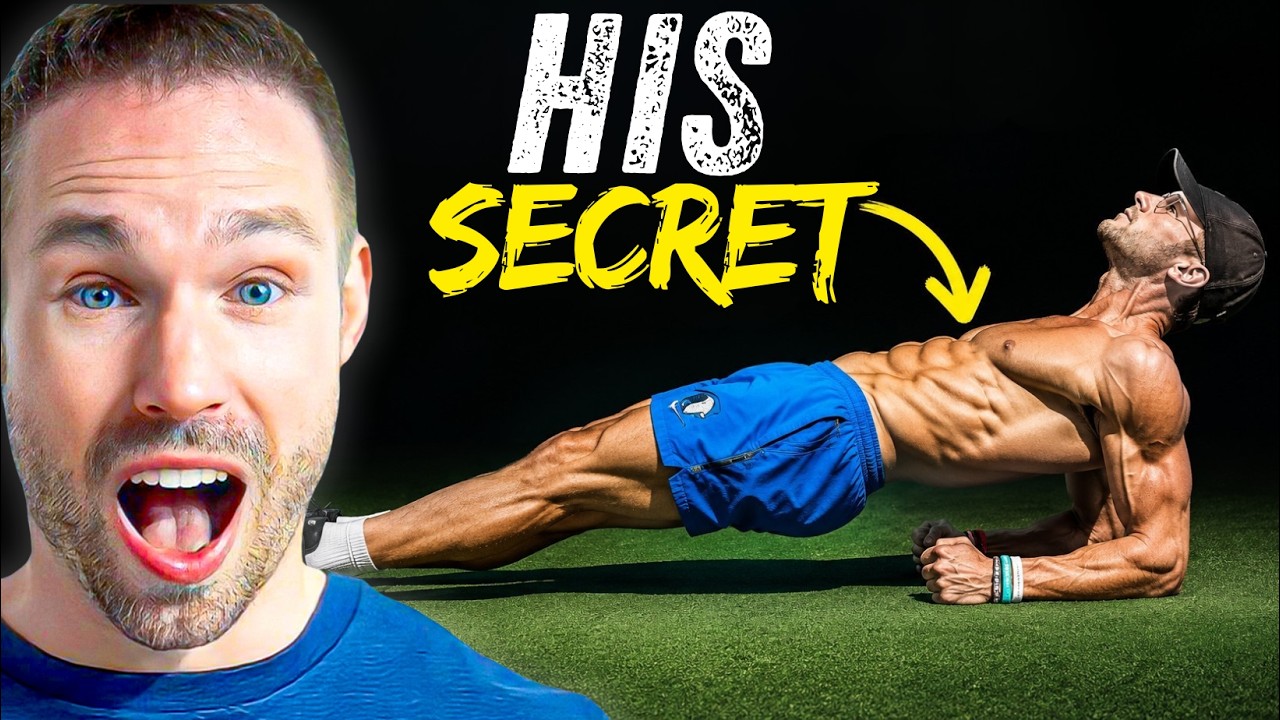
But there’s a catch—most people are doing it wrong.
What separates a waste of time from a genuine posture game-changer comes down to technique, and understanding the science behind why this movement works so effectively.
Jump to:
Why Reverse Planks Target Everything Sitting Destroys
Hours spent hunched over keyboards create a predictable pattern of muscular dysfunction. Hip flexors and chest muscles tighten relentlessly while glutes and postural back muscles essentially fall asleep.
Traditional front planks address some core weaknesses, but they don’t reverse the damage sitting causes. Reverse planks do something different—they specifically target the posterior chain, the network of muscles along the back of your body that modern life systematically weakens.

If you want something simple that actually works, this is one of the most effective tools I’ve used to build strength, conditioning, and endurance without needing a full gym setup.
- Full-body training with one weight using swings, squats, and presses
- Solid cast iron build that feels stable and lasts for years
- Comfortable grip that makes high-rep workouts easier to handle
This includes spinal erectors that keep your spine upright, glutes that stabilize your pelvis, and deep core muscles that connect everything together. Simultaneously, the position provides a much-needed stretch to chronically tight chest muscles while opening compressed shoulders.
Test Your Posture Before You Start
People with rounded forward shoulders often struggle to raise their arms completely overhead. There’s a simple wall test that reveals just how compromised shoulder mobility has become.
Stand with hips and lower back flush against a wall, then raise both arms as high as possible. Record the results because they’ll serve as a baseline for comparison.
Those with stiff, tight pectoral muscles won’t get very high toward the wall. People with weak or poorly coordinated core stability will notice their lower back arching away from the wall as arms rise, compensating for lack of proper stabilization.
Either scenario suggests reverse planks could provide significant benefits.
How To Execute Reverse Planks Correctly
Proper setup makes all the difference between an effective exercise and wasted effort.
If you want something simple that actually works, this is one of the most effective tools I’ve used to build strength, conditioning, and endurance without needing a full gym setup.
- Full-body training with one weight using swings, squats, and presses
- Solid cast iron build that feels stable and lasts for years
- Comfortable grip that makes high-rep workouts easier to handle
Begin seated on the floor with legs extended straight, positioning hands slightly behind hips with fingers pointing toward feet. Rather than simply pushing upward, focus on opening the chest.
Press through forearms and lift hips until the entire body forms a straight line from heels to shoulders. This is where most people go wrong.
The Critical Mistakes Everyone Makes
Common problems include letting the chest cave inward and allowing hips to sag back toward the ground. Instead of fighting gravity passively, actively lift the chest toward the ceiling.
Pull shoulder blades back and down while squeezing glutes hard. This creates a rigid, connected position that engages the entire posterior chain rather than isolated muscle groups.
What you want to think about is lifting your chest towards the sky as you pull your shoulder blades back and down and squeeze your glutes. That will really help you make sure that you’re in a rigid, straight position connecting your entire body.
If shoulder mobility makes forearm positioning too challenging, modify by pressing from hands instead. This variation reduces extension demands on shoulder flexibility while maintaining exercise effectiveness.
The Research Behind Posture Reset
Scientists actually tested reverse planks on people with rounded shoulder posture to measure real physiological changes. Participants performed five sets of 30-second holds.
If you want something simple that actually works, this is one of the most effective tools I’ve used to build strength, conditioning, and endurance without needing a full gym setup.
- Full-body training with one weight using swings, squats, and presses
- Solid cast iron build that feels stable and lasts for years
- Comfortable grip that makes high-rep workouts easier to handle
Immediately afterward, researchers found something remarkable: underactive muscles from forward shoulder posture showed dramatic spikes in activation while tight, overworked muscles like pectorals and upper trapezius demonstrated decreased activation.
The exercise essentially resets the nervous system for improved posture patterns. It’s not rewiring years of dysfunction in 30 seconds, but it is creating immediate neuromuscular changes that support better positioning.
Testing Your Progress
After completing reverse plank holds, return to that wall test. Many people discover they can raise arms significantly closer to the wall than before, sometimes within just one session.
This immediate feedback demonstrates how quickly the exercise influences muscle activation patterns and joint positioning. If results show improvement, reverse planks deserve regular integration into weekly routines.
Strategic Integration For Maximum Benefit
Reverse planks aren’t magical posture cures, but they are extremely effective tools when used consistently and correctly.
Several strategic timing options maximize their impact:
If you want something simple that actually works, this is one of the most effective tools I’ve used to build strength, conditioning, and endurance without needing a full gym setup.
- Full-body training with one weight using swings, squats, and presses
- Solid cast iron build that feels stable and lasts for years
- Comfortable grip that makes high-rep workouts easier to handle
- Pre-workout activation: Use five sets of 30-second holds as dynamic warm-up to fire dormant posterior chain muscles before training
- Post-workout finisher: Implement as corrective cooldown to counterbalance anterior-dominant exercises
- Midday posture break: Interrupt prolonged sitting periods with quick sets to reset neuromuscular patterns
- Morning mobility routine: Include in daily movement practice to establish better positioning before activities begin
Frequency matters more than duration. Brief, consistent exposure creates lasting adaptation better than occasional lengthy sessions.
Beyond Basic Holds
Once standard reverse planks become manageable, progressive variations challenge the body further. Single-leg versions increase glute activation and anti-rotation core demands.
Elevated positions with feet on benches intensify posterior chain engagement. Dynamic movements like hip lifts from reverse plank position add strength-building stimulus beyond static holds.
Pain during execution signals technique problems or underlying mobility restrictions requiring attention. Discomfort in wrists, shoulders, or lower back suggests modifications or professional assessment may be necessary before progressing.
The exercise’s simplicity masks its profound effectiveness at addressing postural dysfunction created by modern sedentary lifestyles. When executed with proper technique and consistent frequency, reverse planks provide measurable improvements in shoulder positioning, core activation, and posterior chain strength—all elements sitting systematically compromises.
For those spending hours daily at desks or staring at screens, this single movement offers accessible correction that requires no equipment and minimal time investment. The question isn’t whether reverse planks work, but whether commitment exists to perform them correctly and regularly enough to experience their benefits.
If you want something simple that actually works, this is one of the most effective tools I’ve used to build strength, conditioning, and endurance without needing a full gym setup.
- Full-body training with one weight using swings, squats, and presses
- Solid cast iron build that feels stable and lasts for years
- Comfortable grip that makes high-rep workouts easier to handle