In a recent article from Stanford Medicine, researchers delivered a message that challenges conventional wisdom about aging: staying strong, fit, and vibrant past 50 isn’t about lucky genes or expensive supplements.
It’s about showing up consistently with basic health habits that actually work.
While the fitness industry pushes cutting-edge protocols and miracle solutions, science points to something far simpler—and far more powerful.
The real secret to exceptional physical condition in your fifth decade and beyond lies in daily choices that compound over time, not quick fixes that fade just as fast.
Jump to:
The Reality of Aging After 50
The body doesn’t wait for permission to change. According to WebMD, muscle mass begins disappearing at an accelerated rate once people cross the 50-year threshold, with physical strength following close behind.
Bone density decreases. Testosterone levels in men drop, making muscle building more challenging than it was at 30.
But here’s where the story gets interesting: these changes aren’t inevitable. Research consistently shows that lifestyle interventions can substantially mitigate age-related physical decline.
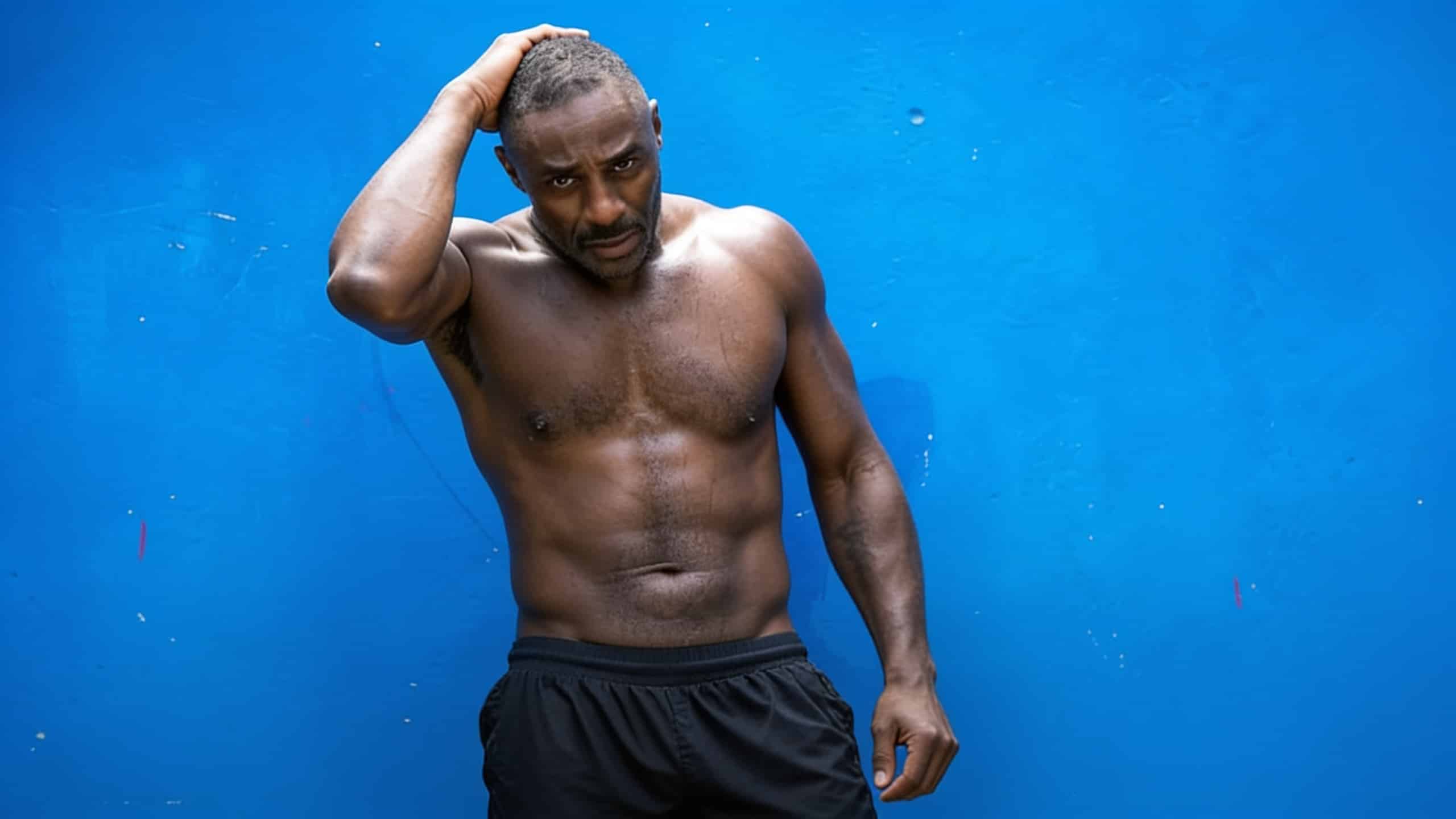
Look at actor and martial artist Michael Jai White, who maintains exceptional physical condition at 58. His physique isn’t just genetics—it’s the result of decades of consistent habits.
Genetics vs. Daily Choices
Stanford Medicine research emphasizes a critical distinction: while genetics influence how bodies age, the most important risk factors for physical deterioration are modifiable through lifestyle habits.
Translation? People have far more control than they think.
The World Health Organization and American College of Sports Medicine have validated specific strategies that work: regular physical activity, strength training, Mediterranean-style eating patterns, and stress management.
None of these require pharmaceutical intervention or cutting-edge biohacking. They’re available to anyone willing to commit.
The Non-Negotiable: Resistance Training
Exercise physiologists have been clear on this point—muscle loss after 50 is not inevitable. It can be counteracted with proper resistance training protocols.
Weight-bearing and resistance exercises performed 2-3 times weekly can maintain both muscle mass and bone density. This isn’t optional for those serious about staying strong into their later decades.
Sarcopenia, the medical term for age-related muscle loss, progresses fastest in inactive individuals. But even previously sedentary people can gain significant fitness benefits by increasing activity levels.
The body responds to demands placed on it, regardless of age. Give muscles reason to stick around, and they will.
What Effective Resistance Training Looks Like
- Frequency: Two to three sessions per week minimum
- Compound movements: Squats, deadlifts, presses, rows that engage multiple muscle groups
- Progressive overload: Gradually increasing weight, reps, or difficulty over time
- Full-body approach: Hitting all major muscle groups throughout the week
- Recovery time: Allowing 48 hours between training the same muscle groups
Nutrition: The Mediterranean Advantage
Registered dietitians consistently point to the Mediterranean diet as one of the most evidence-backed eating patterns for healthy aging. Research shows it supports multiple health domains simultaneously.
This approach emphasizes whole foods: vegetables, fruits, whole grains, legumes, nuts, olive oil, and fish. It’s not restrictive—it’s abundant.
Adequate protein intake becomes crucial after 50 for maintaining muscle mass, especially when combined with resistance training. Calcium and vitamin D support bone health, preventing the density loss that accelerates during this decade.
The beauty of Mediterranean-style eating? It doesn’t feel like deprivation. Foods are flavorful, satisfying, and aligned with how humans evolved to eat.
Recovery: The Overlooked Multiplier
Sleep and stress management aren’t afterthoughts—they’re essential components of maintaining fitness after 50. Geriatricians emphasize that healthy lifestyle factors work synergistically, compounding their effects.
Poor sleep undermines training adaptations, disrupts hormone balance, and accelerates muscle loss. Chronic stress does the same, flooding the body with cortisol that breaks down muscle tissue.
Recovery becomes increasingly important as bodies age. What worked at 30—training hard six days weekly with minimal sleep—becomes counterproductive at 55.
Recovery Optimization Strategies
- Prioritize 7-9 hours of quality sleep nightly
- Implement stress-reduction practices: meditation, breathwork, nature walks
- Schedule rest days strategically between intense training sessions
- Consider active recovery: light movement, stretching, mobility work
- Monitor training volume: more isn’t always better past 50
The Cognitive Connection
Physical vitality after 50 doesn’t exist in isolation from cognitive health. Research suggests mental stimulation and social engagement may help protect cognitive function during aging.
Regular physical activity itself—particularly aerobic exercise—improves brain health, function, and quality of life according to WHO guidelines.
Bodies and minds age together. Strategies that support one typically benefit the other.
Long-Term Adherence Beats Short-Term Intensity
Here’s what separates those who maintain exceptional physical condition into their 50s, 60s, and beyond from those who don’t: consistency over decades, not heroic efforts over weeks.
The Stanford Medicine research emphasizes that the key appears to be long-term adherence to basic health principles rather than pursuing novel or extreme approaches.
Training three times weekly for thirty years produces dramatically better results than training six times weekly for six months before burning out.
Eating predominantly whole foods for decades trumps any short-term restrictive diet, no matter how optimized.
Making Consistency Sustainable
The best program is the one people actually follow. Sustainability matters more than theoretical perfection.
Many of the most important risk factors for cognitive decline, physical deterioration, and chronic disease are modifiable through consistent lifestyle habits.
That Stanford insight changes everything. It shifts focus from genetics and luck to choices made repeatedly over time.
- Start where you are: Previously inactive individuals can still gain massive benefits
- Build gradually: Sustainable habits form slowly, not overnight
- Find enjoyment: Activities you hate won’t last long-term
- Create systems: Environment and routine matter more than willpower
- Focus on process: Daily actions compound into remarkable outcomes
The Bottom Line
Maintaining physical strength, fitness, and vitality past 50 isn’t mysterious. It doesn’t require expensive supplements, specialized programs, or exceptional genetics.
It requires showing up consistently with evidence-based habits: resistance training multiple times weekly, eating predominantly whole foods, prioritizing recovery, staying mentally engaged, and managing stress.
Major health organizations worldwide agree on these fundamentals. Research validates them. Success stories from individuals maintaining exceptional condition into their sixth decade and beyond demonstrate them.
Age brings changes, yes. But deterioration isn’t destiny. Bodies respond to how they’re treated, regardless of chronological age.
The question isn’t whether staying strong past 50 is possible—it clearly is. The question is whether individuals will commit to the unglamorous, consistent habits that make it happen.