Danny Ellerd was found beneath an Interstate 40 overpass in Oklahoma City, weighing just 92 pounds, his body ravaged by 15 years of heroin addiction.
Police officers arrived intending to arrest him on outstanding warrants.
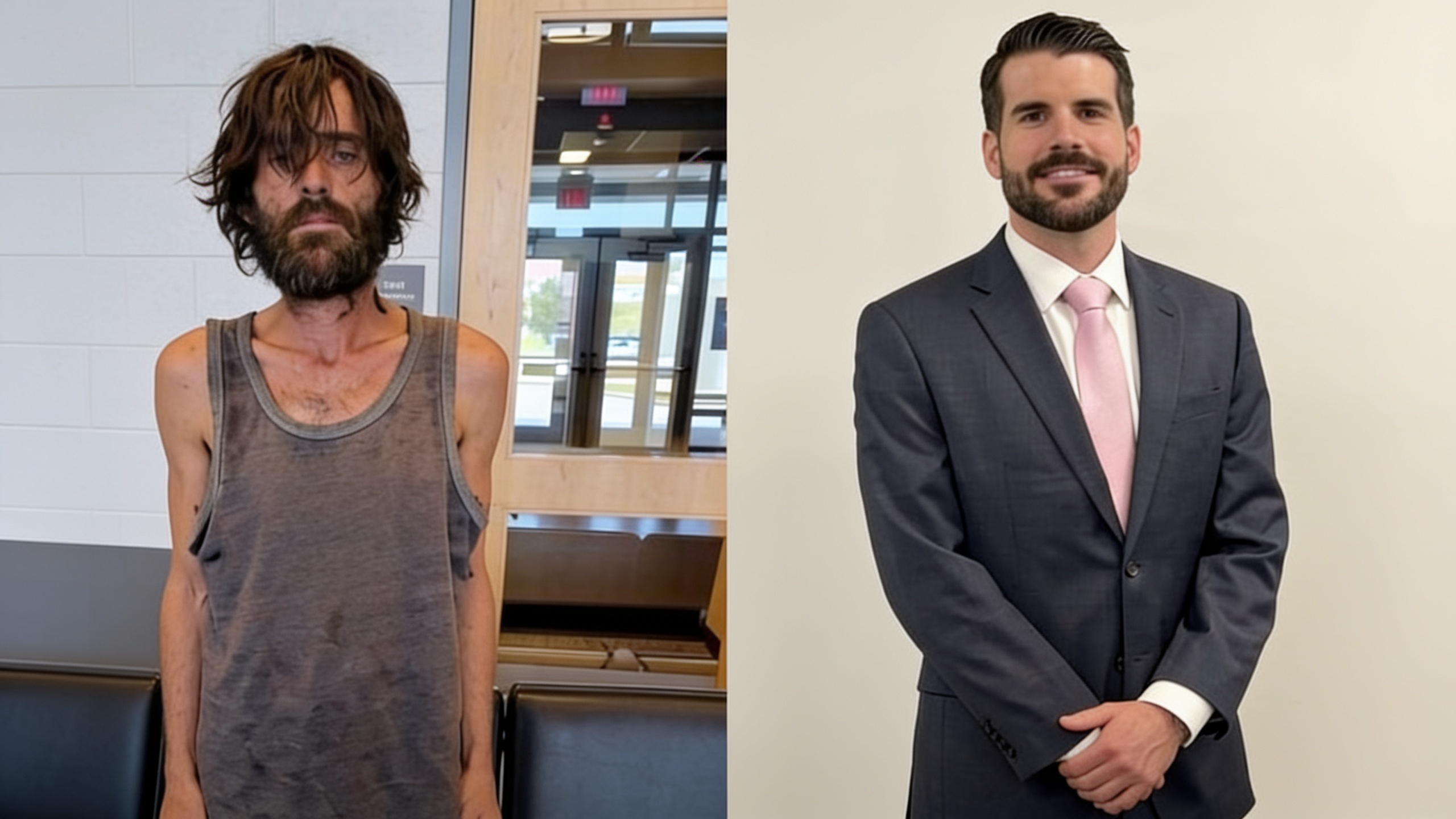
Instead, recognizing the severity of his condition—including a life-threatening hand infection from IV drug use—they rushed him to the emergency room.
What happened next became one of the most powerful addiction recovery stories to emerge from Oklahoma, demonstrating that even from the darkest depths, transformation remains possible.
Jump to:
- From Street Corners to Rock Bottom
- A Critical Decision That Changed Everything
- Recovery Meets Academic Excellence
- Turning Pain Into Purpose
- The Role of Faith-Based Recovery Programs
- Oklahoma’s Opioid Crisis Context
- What Makes Long-Term Recovery Possible
- The Power of Diversion Over Incarceration
- A Message for Families and Communities
From Street Corners to Rock Bottom
Ellerd’s descent into addiction lasted approximately 15 years, though some accounts connected to Oklahoma State University describe it as nearly 20 years. During that time, he experienced multiple overdoses and lived in abandoned houses and tents across Oklahoma City.
His father, Mark Ellerd, publicly recounted one particularly devastating moment: pulling up to a street corner and realizing the gaunt man holding a panhandling sign was his own son. The recognition came as a shock—addiction had transformed Danny beyond immediate recognition.
By the time police found him under that I-40 overpass, Ellerd’s 92-pound frame represented the physical toll of sustained heroin use combined with extreme malnutrition and homelessness. Doctors fought not only to save his life but also to preserve his infected hand, damaged by repeated intravenous drug injections.
A Critical Decision That Changed Everything
The officers’ decision to divert Ellerd to medical care rather than jail represents a growing shift in how law enforcement approaches addiction crises. This harm reduction model prioritizes immediate health intervention over incarceration, recognizing that people in such severe medical distress need treatment, not booking.
After stabilizing in the hospital, Ellerd entered Hope Is Alive, a faith-based nonprofit in Oklahoma City operating long-term residential and community-based recovery programs. He arrived with little more than a bag of clothes and a body that had been pushed to its absolute physiological limits.
Recovery Meets Academic Excellence
While enrolled in Hope Is Alive’s program, Ellerd made a decision that many would have considered improbable: he enrolled full-time at Oklahoma State University-Oklahoma City to study Computer Information Systems.
Working part-time while attending classes full-time, Ellerd didn’t just survive academically—he excelled. He graduated with a perfect 4.0 GPA, a testament to both his determination and the possibility of cognitive recovery even after years of substance abuse.
This achievement highlights an often-overlooked aspect of addiction recovery: with proper support systems, people emerging from homelessness and addiction can achieve remarkable academic success. Educational institutions that provide wraparound services—including counseling, financial aid, and flexible scheduling—create pathways for non-traditional students to thrive.
Turning Pain Into Purpose
Now more than five years sober, Ellerd has transformed his lived experience into advocacy work. He actively works with people experiencing homelessness, sponsors men navigating their own recovery journeys, and has authored a book titled Recovery Is Possible.
He’s also become a father—a role that once seemed impossible during his years on Oklahoma City streets.
His story went viral in early September 2026, covered by international outlets and shared widely across social media platforms. The narrative resonated because it defies the fatalistic narratives often attached to long-term addiction and homelessness.
The Role of Faith-Based Recovery Programs
Hope Is Alive, the organization that facilitated Ellerd’s recovery, represents one model within the broader addiction treatment landscape. Faith-based programs often provide longer-term residential options than traditional 30-60 day treatment centers, allowing participants more time to rebuild foundational life skills.
These programs typically combine:
- Structured daily routines and accountability
- Peer support from others in recovery
- Life skills training and employment assistance
- Spiritual or faith-based counseling components
- Gradual reintegration into independent living
While faith-based recovery isn’t the only effective approach, long-term residential programs—whether faith-based or secular—show strong outcomes for people with extensive addiction histories and co-occurring challenges like homelessness.
Oklahoma’s Opioid Crisis Context
Ellerd’s story unfolded against the backdrop of Oklahoma’s significant struggle with opioid addiction. The state has historically experienced elevated overdose rates, making recovery resources like Hope Is Alive critically important.
Heroin use often follows prescription opioid dependence when people can no longer access or afford pills. The physical deterioration Ellerd experienced—dropping to 92 pounds with severe infections—represents common complications of long-term IV drug use, including endocarditis, sepsis, and soft tissue infections.
His recovery demonstrates that even severe, prolonged opioid addiction doesn’t permanently eliminate the possibility of restoration.
What Makes Long-Term Recovery Possible
Addiction medicine specialists emphasize that recovery from Ellerd’s baseline—extreme malnutrition, severe infection, years of polysubstance use—requires comprehensive, sustained intervention. No single factor determines recovery success, but several elements appear consistently in stories like Ellerd’s:
- Medical stabilization first: Addressing acute health crises before behavioral treatment begins
- Long-term structured support: Extended residential programs provide time for neurological healing
- Purpose and identity reconstruction: Education, employment, and advocacy work help build new self-concepts
- Peer relationships: Connection with others in recovery reduces isolation and shame
- Practical life skills: Housing, employment, and education create stability
Ellerd’s sponsorship of other men in recovery exemplifies how helping others reinforces one’s own sobriety—a principle central to 12-step programs and other peer-based recovery models.
The Power of Diversion Over Incarceration
The officers’ decision to take Ellerd to the hospital rather than jail reflects an evolving understanding of addiction as a health crisis rather than solely a criminal justice issue. Diversion programs increasingly redirect people with substance use disorders from incarceration to treatment, recognizing that jail rarely addresses underlying addiction.
This approach benefits both individuals and communities by:
- Reducing recidivism rates compared to incarceration alone
- Lowering costs associated with repeated arrests and emergency services
- Preserving dignity and agency for people in crisis
- Increasing likelihood of treatment engagement and completion
Had officers simply booked Ellerd on his warrants that day, his story might have ended differently. The choice to prioritize immediate medical care created space for recovery to begin.
A Message for Families and Communities
Ellerd’s transformation carries particular resonance for families watching loved ones struggle with addiction. His father’s experience—not recognizing his own son on a street corner—reflects the profound grief families endure.
Yet his story also demonstrates that hope remains valid even in seemingly hopeless circumstances. Recovery timelines vary dramatically between individuals, and multiple failed attempts often precede lasting sobriety.
For communities grappling with visible homelessness and addiction, Ellerd’s journey illustrates why investing in comprehensive recovery programs yields returns. The man panhandling at intersections can become the college graduate, the author, the father, the sponsor helping others find their own path forward.
His book title says it plainly: Recovery Is Possible. Not guaranteed, not easy, not quick—but genuinely possible, even from 92 pounds beneath an overpass.