Tom Holland isn’t just swinging through New York as Spider-Man—he’s also navigating the tricky world of bulking, cutting, and staying camera-ready between film shoots.
In a recent interview with Men’s Health and commentary breakdown by Dr. Mike Israetel of Renaissance Periodization, the British actor opened up about his surprisingly minimal diet, his go-to CrossFit workout, and why eating enough food is actually his biggest challenge.
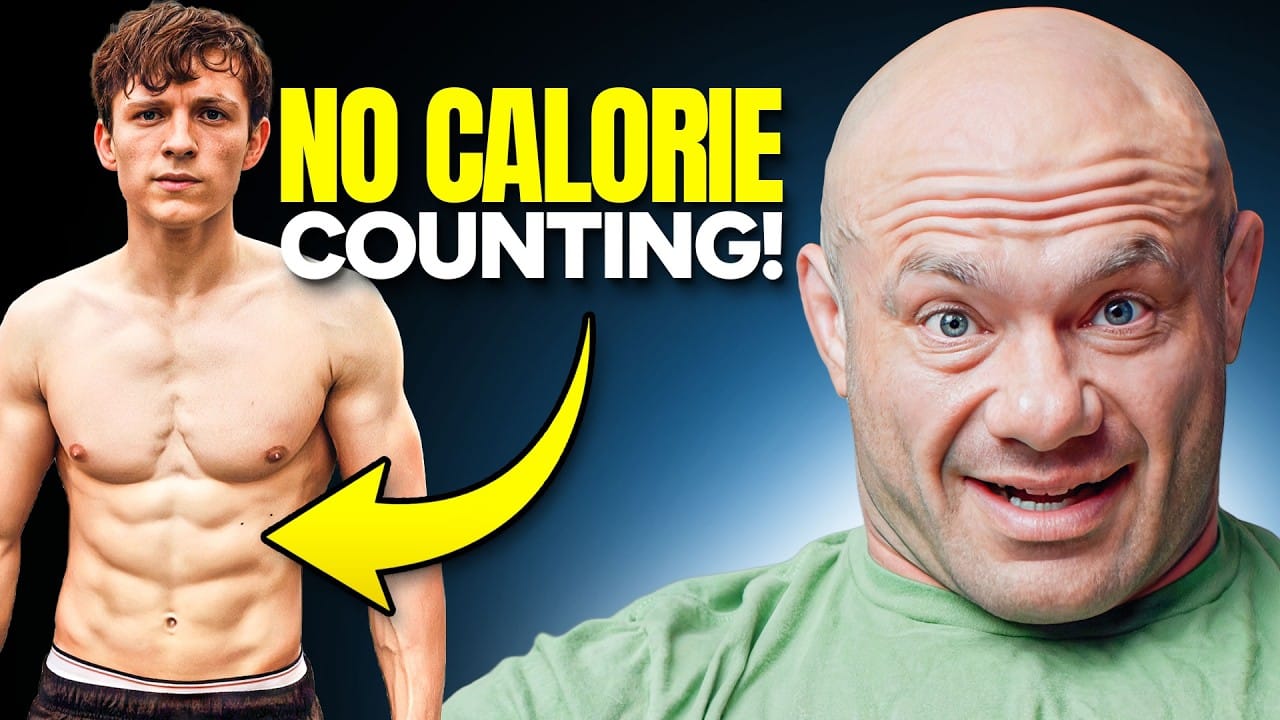
But as Dr. Mike points out with his signature mix of science and sarcasm, Holland’s approach has both genius-level insights and some head-scratching moments worth examining.
Here’s what fitness experts really think about Spider-Man’s training and nutrition strategy.
Jump to:
- The 20-Minute Workout That Actually Works
- Gymnastic Skills vs. Muscle Building: What’s The Difference?
- The Breakfast-Skip-Dinner Diet That Makes Zero Sense
- Smart Supplementation: Nothing Magical Happening Here
- Vegetables: The Unsexy Nutrition Powerhouse
- The Traveling Actor’s Nutrition Dilemma
- What Regular People Can Actually Learn From Spider-Man
- The Bottom Line On Hollywood Physiques
The 20-Minute Workout That Actually Works
When asked about his go-to time-crunched workout, Holland didn’t hesitate.
I do a CrossFit workout called Cindy. It’s five pull-ups, 10 push-ups, 15 squats as many times as you can in 20 minutes.
Dr. Israetel, a former professor of exercise and sport science, calls this choice “really good” for efficient muscle coverage. The workout hits legs, chest, shoulders, triceps, back, and biceps in one compact circuit.
The main gaps? Posterior chain muscles like hamstrings and lower back don’t get much love here.
How To Optimize Cindy For Muscle Growth
According to Israetel, adding just one heavy pulling movement would make this workout amazing for hypertrophy. Think high-rep deficit deadlifts or stiff-legged deadlifts.
But there’s another critical adjustment: take every set close to failure. Instead of stopping at exactly 5, 10, or 15 reps, push each movement until you’re nearly unable to continue.
That simple tweak maximizes anabolic stimulus while keeping workout duration minimal—perfect for actors juggling grueling film schedules.
Gymnastic Skills vs. Muscle Building: What’s The Difference?
Holland’s training footage shows impressive gymnastic feats—near-perfect iron crosses, controlled twirling movements, and overhead lunge variations that look more circus than gym.
Israetel acknowledges the skill on display but draws an important distinction: this is showing off, not optimal training.
This is a way of showing off, but hey, when you got it, you got to flaunt that shit.
Iron crosses place enormous tension on triceps, biceps, pecs, and lats—especially the tendons. They require extensive conditioning and don’t necessarily translate to physique gains.
Random Movements Give Random Results
For people without Hollywood-level genetics who need results fast, Israetel warns against training philosophies built around “wacky” movements.
Here’s his advice hierarchy:
- First priority: Nail down proven exercises that cause maximum muscle growth, fat loss, and strength gains
- Second priority: Once you’re in great shape, add fun variety like gymnastics and CrossFit for enjoyment
- Maintenance reality: Keeping muscle is much easier than building it initially
Random training leads to inconsistent results. Weeks pass without visible progress, motivation tanks, and people quit thinking exercise “doesn’t work.”
The Breakfast-Skip-Dinner Diet That Makes Zero Sense
Holland’s daily eating pattern raised eyebrows—even his own.
Typically for breakfast, I will have a bowl of porridge. If I am not bulking, I’ll skip lunch. And then for dinner every night, I’m going over to my brother Sam’s house and eating whatever it is that he’s been cooking.
Israetel’s reaction: “We learned so much”—dripping with sarcasm.
The takeaway here isn’t about meal timing perfection. Holland eats porridge (oatmeal) with fruit, nuts, and a protein shake for breakfast. Skips lunch when not bulking. Then relies entirely on his chef brother Sam for dinner.
The Struggle Of Naturally Skinny Genetics
Holland admits something most people can’t relate to.
I’m very lucky that my default setting of my body is that if I don’t train and eat, I lose weight.
Only 10-20% of humans have this metabolism, according to Israetel. Most people in modern food environments will gain fat indefinitely without conscious eating control.
But here’s the twist: even genetically skinny people hit walls. Between 150-180 pounds, eating to gain might feel effortless. Push toward 190-200 pounds, and suddenly consuming 3,500+ daily calories becomes a legitimate struggle.
Why Consistency Trumps Everything
Holland emphasizes one principle that applies universally: consistency matters more than perfection.
When you’re busy with film shoots, press tours, and dating Zendaya, remembering to eat protein every 3-6 hours requires habit formation. This internal timer—the automatic reminder to eat regardless of hunger—develops over years of disciplined nutrition.
Many people start bulking phases enthusiastically, then three months later look essentially unchanged. The culprit? Missing meals here and there.
With naturally low appetite and fast metabolism, skipping even a few weekly meals completely derails mass-gaining efforts.
Smart Supplementation: Nothing Magical Happening Here
Holland keeps his supplement stack refreshingly simple.
Right now I’m on a pretty steady flow of creatine and protein. I also take a protein shake in the morning filled with all the minerals and vitamins.
Israetel breaks down the science: you don’t actually need protein supplements to build muscle. Food-based protein from chicken, steak, and fish works identically.
When Supplements Make Perfect Sense
Protein powder shines in two scenarios:
- Logistical convenience: Carrying powder beats transporting cooked chicken through airports and film sets
- Appetite management: Drinking 40 grams of protein feels easier than eating another chicken breast when already full
Two 40-gram whey shakes daily can bridge the gap between inadequate protein intake (80-100g) and optimal muscle-building levels (160-180g for Holland’s size).
Creatine monohydrate at 5 grams daily remains one of the most researched, effective, and safe supplements available. Benefits include increased strength, muscle fullness, and improved workout performance.
Vegetables: The Unsexy Nutrition Powerhouse
Holland mentioned one habit that deserves more attention.
I always try to have a healthy amount of vegetables. And when I say healthy, I just mean a lot.
Vegetables provide vitamins, minerals, phytochemicals (beneficial plant compounds), and water content—essentially all micronutrients in one food category.
Dating a vegetarian girlfriend (Zendaya) helps, Holland notes, because health-conscious vegetarians often develop excellent vegetable preparation skills.
The Traveling Actor’s Nutrition Dilemma
Holland admits routine cooking while traveling feels nearly impossible.
I travel a lot, so I find it really difficult to get into a routine of cooking for myself.
Israetel’s practical solutions for maintaining nutrition on location:
- Research local convenience stores: UK chains like Tesco and Sainsbury’s offer prepared high-protein meals
- Pack protein essentials: Bring powder, bars, and shelf-stable options
- Use Hollywood resources: Arrange care packages with macro-friendly foods delivered to filming locations
- Google in advance: Identify protein sources near hotels and sets before arriving
These strategies work whether you’re a blockbuster star or regular person traveling for work.
What Regular People Can Actually Learn From Spider-Man
Strip away the celebrity chef brother and Zendaya references, and several universal principles emerge from Holland’s approach:
Time-efficient workouts work. Twenty-minute circuits hitting major muscle groups beat skipped sessions. Capping workout duration removes excuses.
Eating consistently beats eating perfectly. Missing meals sabotages goals faster than imperfect food choices. Build automatic eating habits divorced from hunger cues.
Protein supplements solve real problems. They’re not magical muscle-builders but practical tools for hitting daily protein targets amid busy schedules.
Simple beats complicated. Holland’s supplement stack—creatine and protein—covers 90% of what supplementation can offer. No exotic compounds needed.
Vegetables matter more than you think. Micronutrient density supports recovery, energy, and long-term health. Make them abundant, not afterthoughts.
The Bottom Line On Hollywood Physiques
Tom Holland’s training and nutrition approach blends legitimate wisdom with genetic advantages most people don’t share.
His CrossFit workout choice demonstrates efficiency. His consistency emphasis applies universally. His supplement strategy stays evidence-based and practical.
But his naturally lean metabolism and access to personal chef brothers create a context wildly different from typical gym-goers struggling to lose fat or gain muscle.
The real lesson? Steal the principles, not the specifics. Build workout habits around proven exercises taken near failure. Develop eating patterns you can sustain. Use supplements strategically, not hopefully.
As Dr. Israetel summarizes: nail down fundamentals that guarantee results first. Once you’re in great shape, add variety for enjoyment. Maintenance becomes exponentially easier than the initial transformation.
Spider-Man might have superhuman abilities on screen, but his real-world training success comes from remarkably human principles—just applied with uncommon consistency.