Most men chase size in the gym while ignoring what actually makes them capable in real life.
John, a strength coach and former Green Beret, believes training like a tactical athlete should be standard practice for men—not because it looks cool, but because it builds bodies that actually work when it matters.
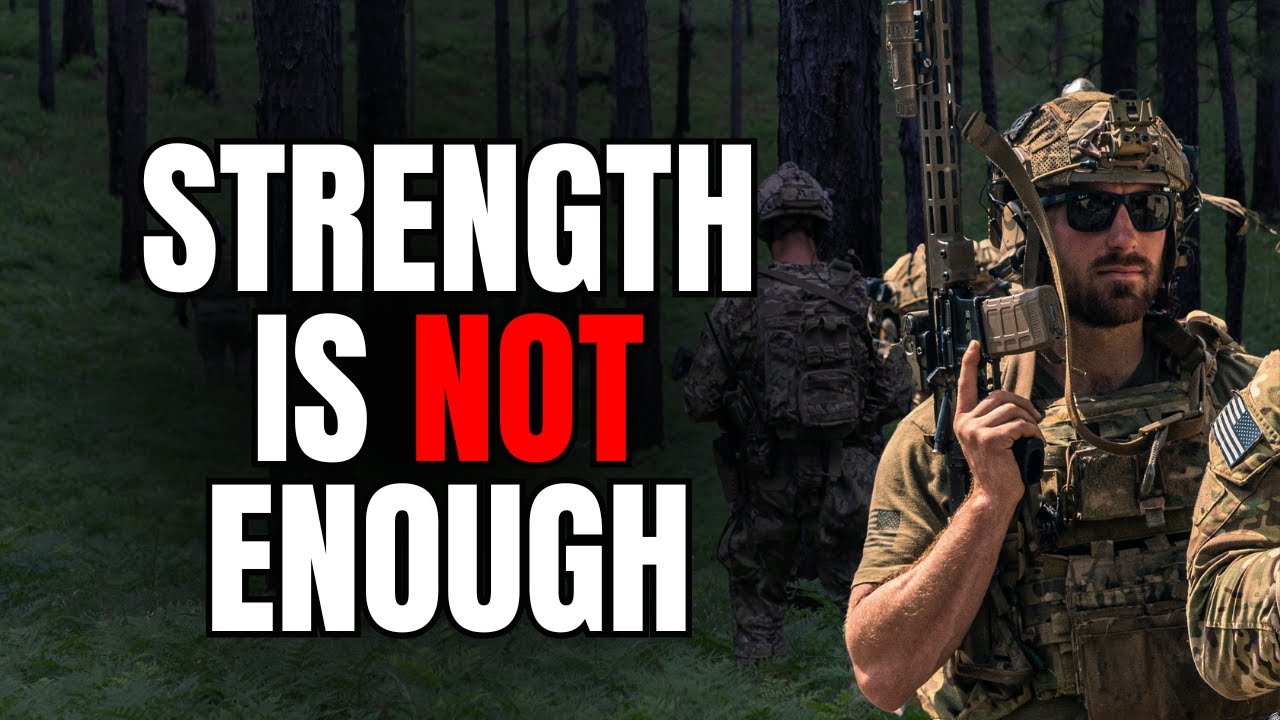
This isn’t about pretending to be military or wearing tactical gear to the gym.
It’s about developing capability across every domain: carrying weight over rough terrain, moving fast when needed, and having something left in the tank after hours of work.
Jump to:
What Training Like a Tactical Athlete Actually Means
Tactical athletes aren’t specialists—they’re generalists with exceptional capability across multiple physical demands.
Not the best at one thing, but good at everything that matters. You can carry a pack for miles, run hard for short bursts, lift, drag, carry, push, and stay sharp under stress.
Real tactical training isn’t punishment workouts or random suffering. It’s structured, progressive programming that builds durability first so the body can handle increasingly demanding work later.
John learned this lesson the hard way after completing Special Forces qualification.
When I finished the Special Forces qualification course and got to my team, I made the same mistake that a lot of new guys make. I started chasing size and let hypertrophy become the only focus of my training.
He got bigger, but lost the durability and recoverability that came from athletic work. Small imbalances turned into nagging issues, and while he could still perform, he lacked the same confidence and margin he once had.
That experience fundamentally changed his coaching philosophy: capability leads, aesthetics follow.
The Three Pillars of Tactical Athletic Training
Pillar One: Endurance
Strength gets attention because it’s measurable and satisfying. Endurance gets ignored because it isn’t flashy.
But endurance is what holds everything together when things get hard.
You can be strong for a single lift or explosive for 30 seconds. But if you can’t keep moving when your heart rate’s high and your legs are burning, none of that really matters.
Building endurance doesn’t require complexity:
- Start with easy, steady aerobic work to establish a foundation
- Add one short, high-quality interval session weekly on a rower, bike, or ski erg
- Let your body adapt gradually to recover faster and handle more work with less stress
Unless you have specific run time goals, choose low-impact cardio equipment that allows consistent heart rate training without beating up joints.
Pillar Two: Strength That Transfers
Tactical athletes need strength that shows up in the real world—not just numbers on a barbell.
This means strength that works when dragging a sled, hoisting a pack, or carrying another person if necessary.
Strength in this environment is not about how much weight you can move one time. It’s about how many problems you can handle before your body gives out.
The stronger you are, the less everything else costs.
This kind of strength doesn’t come from endless accessory exercises. It comes from movements that build your entire frame:
- Trap bar deadlifts and Zercher squats teach full-body bracing and unified movement
- Split squats and step-ups develop unilateral control needed on uneven terrain
- Carries build honest, functional strength—pick something up and walk with it
Two to three well-executed sessions weekly are sufficient to develop strength that carries over into everything else. The goal isn’t being the strongest person in the room—it’s being the one still moving when everyone else is spent.
Pillar Three: Durability
This is where most men completely fall apart.
Durability encompasses mobility, tissue health, and resistance to overuse injuries. It’s what keeps you training consistently as you age.
Too many guys lift hard, stretch occasionally, and assume that’s enough—until low back pain appears, shoulder issues develop, or an Achilles tears during the first sprint attempt in months.
That’s not bad luck. It’s a lack of general physical preparedness.
Simple protective habits make all the difference:
- Train feet and ankles with jumps and controlled ground contacts
- Build calves and Achilles with slow eccentric exercises
- Open hips and thoracic spine for proper postural alignment
- Strengthen the midline with carries and sled pushes to hold shape under load
- Address obvious imbalances instead of ignoring them until injury forces attention
Five to ten minutes daily on mobility work provides massive returns on investment.
Why Average Guys Should Care About Tactical Training
Life doesn’t care about bench press numbers. It cares whether you can move when needed.
Hunting in the backcountry for five days. Playing hard with kids in the yard. Carrying gear. Moving furniture. Shoveling snow. Hiking mountains without your back failing.
You don’t need perfect military fitness scores for any of this—you need a blended program building endurance, strength, and durability together.
Men feel fundamentally different when they know they can move far, move fast, and carry weight on demand. That confidence comes from proving capability across multiple domains, not specializing in one narrow skill.
Consistency Beats Intensity Every Time
The biggest progress killer isn’t lack of motivation—it’s inconsistency disguised as hard work.
Too many guys think the answer is crushing themselves every session, assuming maximum effort equals elite performance. It doesn’t. That approach builds exhaustion, not capacity.
A sustainable weekly structure looks like this:
- A couple of easy aerobic sessions to build aerobic base
- Two to three solid strength sessions maintaining durability and capability
- One short, high-quality effort to sharpen speed and power
- Daily movement or mobility work keeping everything functioning smoothly
Simple is what works long-term.
Capability Changes Everything
Training like a tactical athlete isn’t about playing dress-up or pretending to be something you’re not.
It’s about capability. It’s about building a body that works in the real world and a mind that stays calm when alarms start going off.
Most men chase aesthetics while ignoring what keeps them moving well as they age. But it’s not an either-or choice—you can look good and be useful when capability comes first.
Training this way creates ripple effects throughout life. You’re more present with family because you feel good physically. You’re more confident at work because you know you can handle pressure. You carry yourself differently because you can back it up.
Building a body that actually works—one that can carry weight, move fast, and keep going when it matters—isn’t about military fantasies. It’s about becoming the kind of man who’s ready for whatever comes next.