Many people believe effective strength training demands hours every week.
The truth is, just two 30-minute sessions per week can produce major changes in strength, appearance, and long-term health.
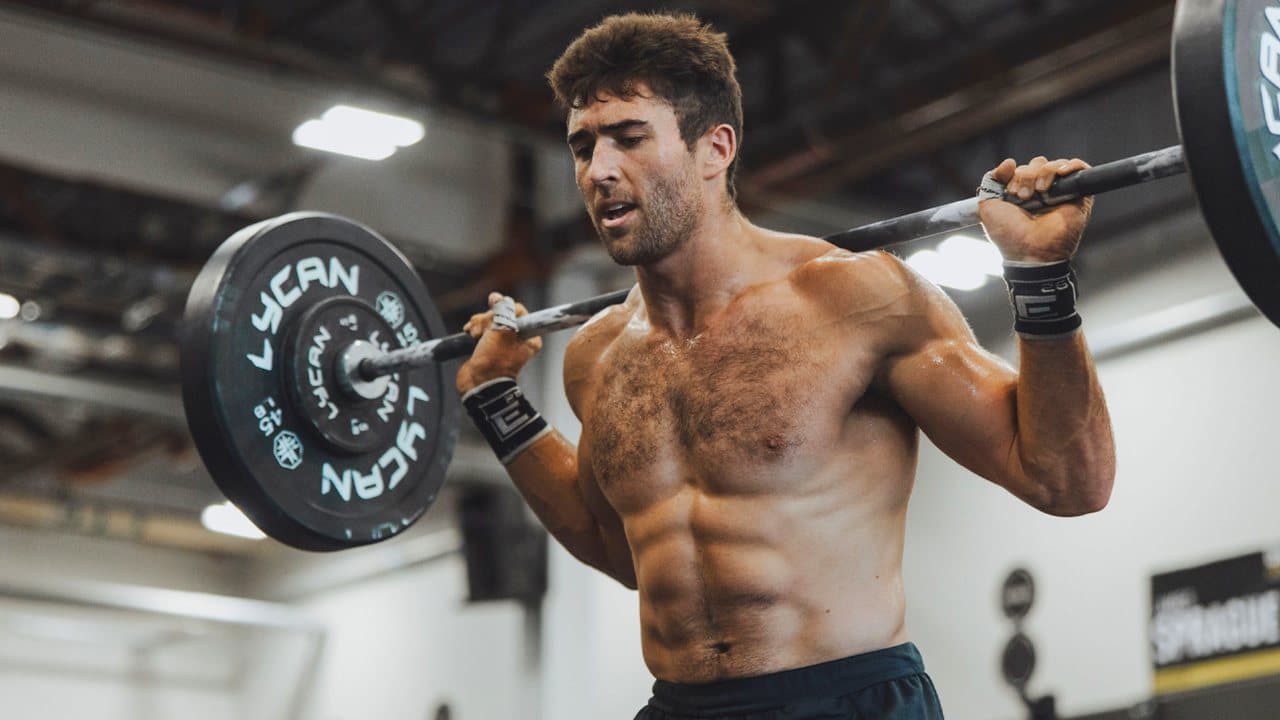
For beginners—especially those who’ve played sports but never lifted weights—this efficient approach to full-body resistance training offers a low-barrier entry into muscle building and all its benefits.
In a recent discussion, fitness expert Dr. Mike Israetel outlined how even busy professionals can achieve muscular progress and better health by following a smart, tightly-structured gym plan that emphasizes compound movements and minimal downtime.
Here’s what that looks like in practice.
Jump to:
Why Whole-Body Workouts Work Best
When training only twice per week, splitting days by muscle groups (like a “back day” and a “chest day”) doesn’t make much sense.
Instead, hitting your entire body in both sessions maximizes your stimulus for growth and improves recovery efficiency.
“Full-body routines are not just more efficient,” Israetel explains, “they also allow you to train each muscle group more frequently, which is ideal for strength and hypertrophy for most people.”
The Ideal Weekly Schedule
Spacing out sessions evenly—like training on Monday and Thursday or Tuesday and Friday—ensures you’re not clustering fatigue or wasting recovery potential.
Muscles typically recover in 2–3 days, so this spacing enables consistent progress with manageable soreness and energy expenditure.
The Movements That Give the Most Return
If you’ve only got 30 minutes, every movement needs to pull its weight—literally and figuratively.
This is where compound exercises come in. These are multi-joint, large-muscle-group exercises that target multiple areas at once, saving time and delivering greater overall stimulus.
Upper Body Compound Movements
- Pull-ups or Lat Pulldowns: Target lats, rhomboids, biceps, and forearms.
- Bent-over Rows or Dumbbell Rows: Work your back, traps, rear shoulders, and arms.
- Close-Grip Bench Press or Push-Ups: Engage chest, triceps, front delts.
- Overhead Press or Dumbbell Press: Target shoulders, triceps, and upper chest.
- Upright Rows: Involve traps, delts, and biceps.
Just three of these movements in a session covers almost your entire upper body.
Lower Body Compound Movements
- Squats (Barbell, Goblet, or Machine): Target quads, glutes, adductors, calves.
- Romanian or Stiff-Leg Deadlifts: Work hamstrings, glutes, spinal erectors, calves.
- Lunges or Step-Ups: Excellent for unilateral leg work and glute involvement.
“You do a well-executed deadlift, and you’ve pretty much hit your entire posterior chain,” says Israetel.
Sample Two-Day Full-Body Program
This split trains all major muscle groups using 4–6 exercises per session with minimal overlap. Each workout includes 15–30 total working sets.
Day 1: Monday (Push + Pull Focus)
- Barbell Back Squat – 3 sets of 8–12 reps
- Lat Pulldown – 3 sets of 10–12 reps
- Close-Grip Dumbbell Bench Press – 3 sets of 8–10 reps
- Romanian Deadlift – 3 sets of 8–12 reps
- Overhead Dumbbell Press (paired with next move) – 3 sets of 10 reps
- Goblet Squat – 3 sets of 10 reps
Day 2: Thursday (Opposite Pairings + Volume)
- Deadlift – 3 sets of 6–8 reps
- Barbell Row (Superset with next exercise) – 3 sets of 10 reps
- Dumbbell Bench Press – 3 sets of 10 reps
- Lunges – 3 sets per leg
- Upright Row (Superset with Overhead Press) – 3 sets of 12
- Seated Shoulder Press – 3 sets of 10
Supersetting unrelated muscle groups lets one set recover while you work a different area—cutting downtime and adding cardiovascular challenge.
What About Form and Safety?
Safety is priority number one for beginners.
That’s why Israetel recommends keeping weight light initially—as low as bodyweight if needed—and focusing strictly on movement quality.
“There’s no movement the human body can’t do safely when done with low or zero load,” he explains.
Early sessions should act as teaching days—focused on cues like:
- Keeping heels planted during squats
- Maintaining a neutral spine through deadlifts
- Using full range of motion
In these first few weeks, soreness is inevitable—but even with light loads, muscle will begin adapting.
Progressing Over Time
Each new week can introduce small changes:
- Adding reps (e.g., going from 8 to 10 reps per set)
- Increasing resistance slightly (2.5–5 lbs)
- Reducing rest time between sets by 10–15 seconds
“Most people learn good technique within a few sessions,” says Israetel. “Once form is solid, we can safely start adding challenge.”
Don’t Underestimate the Mental Boost
Back-to-back compound movements done with intensity don’t just train the body—they also provide a mental and emotional lift.
Research continues to confirm that short bursts of resistance work help reduce anxiety levels, improve mood, and spur focus for hours afterwards.
“You sweat your face off for 30 minutes,” Israetel notes, “the rest of your day feels easy compared to that. The endorphin kick is massive.”
Key Takeaways
- Two 30-minute sessions per week are enough for better health, strength, and aesthetics.
- Full-body workouts are more effective than split routines for most people.
- Compound exercises save time and deliver greater muscular results.
- Pair unrelated exercises for cardiovascular benefits and time efficiency.
- Start light, focus on form, and progress slowly to reduce injury risk and promote long-term habit formation.
Whether you’re getting back into shape or starting fresh, you can use this workout blueprint to transform your body—and reclaim energy, confidence, and vitality—with just one hour of lifting per week.