Dropping below 20% body fat might sound like a smart health goal — and for many, it is. But getting leaner than that comes with trade-offs that few people talk about honestly.
In a world where six-packs dominate Instagram feeds and “shredded” physiques are seen as the pinnacle of health, it’s important to recognize the reality behind lowering your body fat percentage — especially as a natural lifter.
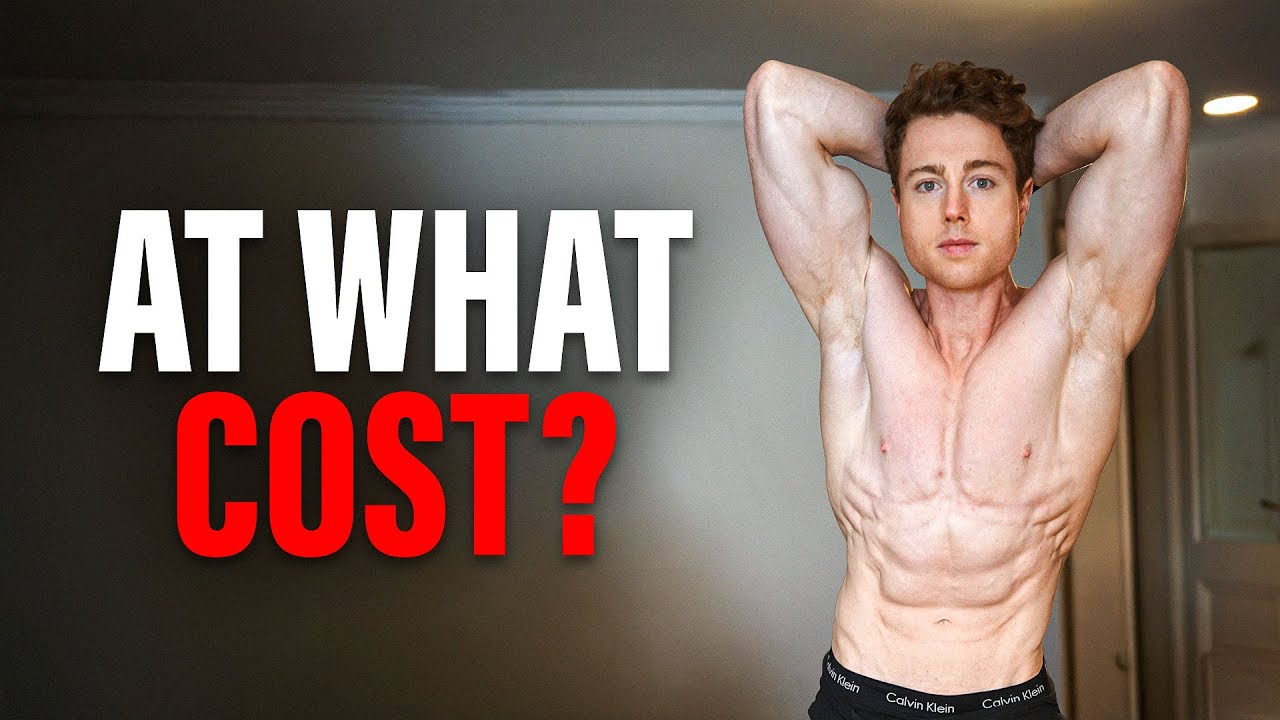
From 25% body fat all the way down to sub-10%, fitness coach and former obese lifter shares what each stage really takes, what changes physically and mentally, and what body fat target might actually be right for your life and goals.
Here’s a detailed look at the full journey — the pros, the costs, and where the real sweet spot lies.
Jump to:
25% Body Fat: The “Uncomfortable Comfort Zone”
At 25% body fat, you might not look drastically out of shape — especially if you’ve built some muscle over the years. That’s exactly what the author experienced after over a decade of lifting.
“I didn’t look all that bad,” he says, though his habits were anything but healthy. Working from home, eating out often, weekend cocktails, and averaging under 5,000 steps/day — all of it added up to a lifestyle that mirrored the average American male.
At nearly 220 pounds, he was technically obese. He looked strong, but felt sluggish and unhealthy. Key warning signs like night sweats, tight-fitting clothes, high blood pressure, and high cholesterol confirmed it: this plateau wasn’t sustainable long-term.
Reality Check
- Hardly any intentional effort needed to maintain the weight
- Common for men in the U.S., but comes with serious health risks
- “I played one pickup basketball game and felt lung soreness for days”
For many, this body fat level feels “easy,” but the price is often poor cardio health, hormonal stress, and creeping health issues.
20% Body Fat: The Comfortable Zone
By cleaning up his diet, walking more, and making simple lifestyle changes, he dropped to 20% body fat — and the physical transformation was immediate.
His face leaned out, his body looked visibly more athletic, and he was no longer technically overweight. Healthy? Not perfect, but definitely healthier — and leaner than 90% of the population.
Yet appearance varied. Someone with less muscle at 20% body fat, like Adam Sandler, might not appear automatically athletic. That’s why muscle mass is such a powerful aesthetic multiplier.
Pros at 20%
- Good energy levels, fewer food cravings
- Health markers improved
- Low to moderate effort required: focus on healthy food, less alcohol, and ~7,000 steps/day
This level was maintainable — and generally healthy — but still didn’t deliver a six-pack or turn heads. It was the gateway to more visible leanness, but not quite there yet.
15% Body Fat: The Commitment Zone
To get to 15%, more changes were needed. Healthy eating alone wouldn’t cut it anymore. Daily calorie tracking became non-negotiable.
He recalls needing to reduce alcohol to almost zero, become strategic with meals out, and closely monitor intake at social outings — especially challenging with a tech sales job filled with dinners, drinks, and travel.
Despite the effort, the results were impressive. Abs became visible. Strangers called him “shredded.” He reports feeling “jacked” with a gym pump — this was classic 1990s cover model territory, the look Tom Hanks once had early in his career.
Benefits at This Level
- Visible abs, sharper jawline, and lean physique
- Strong athletic fit with normal clothes on
- Drastically improved blood pressure and overall health
However, training suffered slightly due to lower energy levels. The step count stayed high — often 12,000+ daily — and nutrition became a logistical puzzle.
“Salads only,” he jokes, recalling corporate dinners where avoiding desserts and alcohol made him the odd one out.
10% Body Fat: The Sacrifice Zone
Cutting beyond the 15% barrier brought on a new level of obsession. Getting to 10% demanded extreme discipline: fewer calories (around 10 per pound of bodyweight), 15,000+ steps/day, and zero tolerance for nutritional errors.
The mental weight became heavier than the physical one.
He describes himself as looking like Christian Bale in American Psycho — textbook abs, chest veins, tight skin. But under a shirt, he says he looked smaller than before, potentially even frail to the casual observer.
The Downsides
- Severely diminished libido and mood
- Training suffered alongside lower energy
- Extreme food obsession and constant hunger
“If I had to travel, I’d get anxious. Every social event became a dietary minefield,” he explains. Even the idea of eating out was overwhelming — since every calorie mattered and food focus was consuming his life.
At this stage, health optimization gave way entirely to appearance.
Sub-10% Body Fat: Competition-Only Territory
Pushing below 10% felt like a full-time job. At this level — only pursued for natural bodybuilding competition — energy drops further, even basic comforts vanish, and hunger becomes relentless.
Odd eating habits emerged. He blended egg whites and zucchini into oats to maximize food volume. He started chewing fish oil pills for oral satisfaction.
His friends thought he was sick. He looked photoshoot-ready, yet suffered mentally.
Mental and Physical Breakdown
- Extreme energy depletion
- Impossible to sit on hard surfaces due to lack of fat
- Binge eating episodes began — a shocking turn for someone previously in control
The only real benefits? The discipline to push through and placing well in a competition. But the price? Obsessive thinking, brutal social isolation, and constant hunger.
“The worst part wasn’t being hungry,” he reflects. “It was knowing the hunger never stopped.”
So, What’s the Ideal Body Fat Goal?
Ultimately, the best body fat level comes down to one question: what are you willing to trade off?
Staying overweight means less time worrying about food or training — but higher disease risk and lower satisfaction in your appearance.
Going ultra lean means rigid control and daily sacrifice — with little room for mistakes, freedom, or social flexibility.
For most men trying to look good, feel strong, and stay healthy — without turning their whole life into a fitness checklist — the sweet spot is around 14-15% body fat.
“It’s the perfect balance of aesthetics, performance, and wellbeing,” he says.
If You’re Starting Higher
Try reducing slowly. Focus first on improving your habits: regular movement, nutrient-dense meals, building muscle. These foundational changes help you lean out without excessive burnout.
If You Want to Appear Lean at Higher Body Fat
Muscle is your secret weapon. Two men at 20% body fat can look drastically different depending on their lean mass. Building muscle makes you appear sharper and more athletic — even if your scale weight doesn’t drop dramatically.
As he puts it: “Life is about choosing your mountains. You don’t need to summit Everest to feel fulfilled — just find the peak worth climbing for your lifestyle.”