In one of the most remarkable and controversial medical case studies ever published, a 27-year-old man fasted for 382 consecutive days — living without food for over a year. Under close medical supervision, this therapeutic fast resulted in a 276-pound weight loss, no serious health complications, and long-term weight maintenance.
The case, documented in the Postgraduate Medical Journal in 1973, continues to spark conversations among researchers, clinicians, and those exploring alternative approaches to obesity.
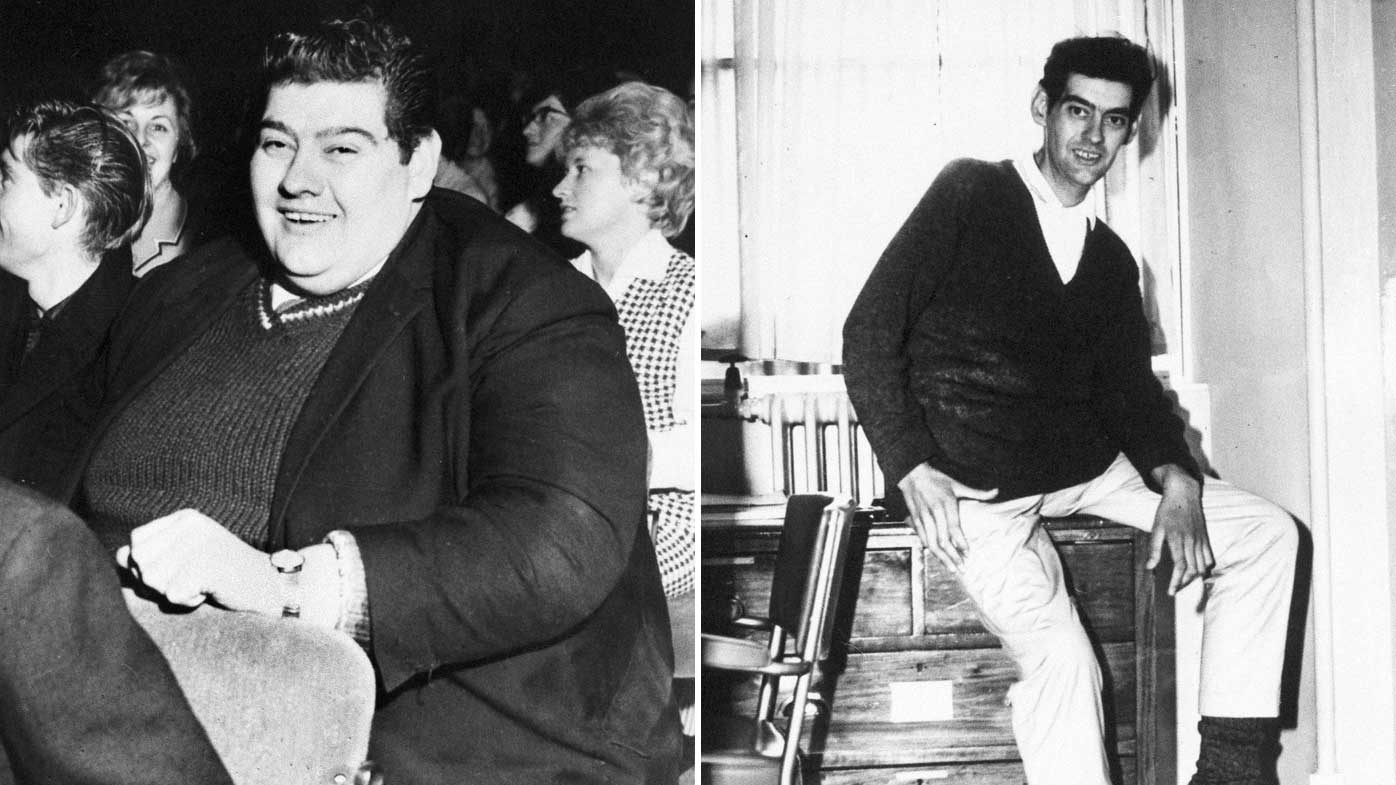
Here’s what happened during this extraordinary fast, what science has to say about it, and whether such an approach could ever be considered today.
Jump to:
- A Record-Breaking Fast with Unprecedented Results
- Blood Sugar Dropped Dramatically — But Without Symptoms
- Electrolyte and Mineral Balance: A Complex Picture
- Kidney Function and Urinary Changes
- What Made This Fast “Successful”?
- What Modern Medicine Says
- Takeaways for Today’s Weight Management Strategies
- The Bottom Line
A Record-Breaking Fast with Unprecedented Results
At the outset, Angus Barbieri weighed 456 pounds (207 kg). Initially, neither he nor his doctors intended for the fast to last more than a few weeks. But as Angus Barbieri adapted well and remained committed to reaching his ideal weight, the fast was extended well beyond conventional timelines.
Throughout the 382 days, he consumed only non-caloric fluids, daily vitamin and mineral supplements, and brief periods of potassium and sodium support. No food was consumed.
At the end of the fast, Angus Barbieri weighed 180 pounds, later stabilizing around 196 pounds, five years post-fast — a stunning outcome in a field where long-term weight maintenance is notoriously difficult.
Blood Sugar Dropped Dramatically — But Without Symptoms
One of the most astonishing findings: Angus Barbieri’s blood glucose levels dropped to around 30 mg/dL, and at times below 20 mg/dL, levels that would typically trigger severe hypoglycemia symptoms or unconsciousness.
Yet Angus Barbieri remained fully functional.
He reported no symptoms and continued attending regular outpatient visits, walking under his own power. Glucose tolerance tests showed normal glucose uptake, and only during the final phase of the fast did he briefly faint during a tolbutamide test — a momentary event with rapid recovery.
Upon reintroducing carbohydrates during refeeding, his blood sugar responses normalized swiftly.
Electrolyte and Mineral Balance: A Complex Picture
Despite the extraordinary length of the fast, most electrolyte levels remained within normal ranges:
- Potassium levels, while initially declining, stabilized with minor supplementation.
- Sodium and bicarbonate stayed relatively stable throughout.
- Calcium levels rose temporarily toward the end of the fast — a transient hypercalcemia that resolved spontaneously and may have resulted from bone mass reduction.
- Magnesium levels, notably, dropped early and remained low, though without any symptoms or evidence of deficiency in red blood cells.
Interestingly, urinary excretion of key minerals like sodium, calcium, phosphate, and magnesium increased dramatically after Day 100, suggesting a physiological shift — likely reflecting the breakdown of excess soft tissue and skeletal mass.
Kidney Function and Urinary Changes
From Day 100 onward, urine tests showed a marked increase in the excretion of electrolytes and phosphate. This pattern raised concerns about potential nephropathy — a breakdown in kidney control of excretion — but the patient showed no symptoms or biochemical evidence of kidney damage.
The authors proposed a more benign explanation: as the patient’s body shed excess organ and bone mass, those materials were simply excreted.
This view aligns with autopsy studies showing organ hypertrophy in obese individuals, which could explain the significant release of structural minerals during extreme weight loss.
What Made This Fast “Successful”?
Key factors contributed to the success of this extraordinary therapeutic fast:
- Daily medical supervision, including bloodwork and urine testing every 2–4 weeks.
- Vitamin and mineral supplementation to prevent classic deficiency diseases.
- Patient motivation, which the authors describe as exceptional. Angus Barbieri was highly compliant, engaged, and goal-oriented.
- Slow, cautious refeeding, beginning with 1,000 kcal of carbohydrates per day, which avoided complications like refeeding syndrome.
In the authors’ words:
“Starvation therapy can be completely successful, as in the present instance.”
What Modern Medicine Says
Today, extended fasting of this magnitude is not recommended by most health professionals. While short-term fasting and intermittent fasting protocols have shown benefits for weight loss, insulin sensitivity, and cardiovascular risk, long-term total fasting remains controversial and potentially dangerous.
Notably, several deaths have been reported in patients undergoing prolonged fasting — usually related to electrolyte imbalances, cardiac complications, or refeeding issues. The longest safe fasts in most medical literature range from 40 to 90 days, and even those require extensive monitoring.
Yet, this case proves that under the right conditions, even extreme interventions can result in long-term success.
Takeaways for Today’s Weight Management Strategies
This case offers several powerful insights:
1. Weight Loss Is Physiologically Achievable — Even in Severe Obesity
Despite popular myths about “metabolic resistance,” Angus Barbieri lost weight steadily at 0.72 pounds per day, similar to other documented long-term fasts. This reinforces that adherence, not biology, is often the limiting factor.
2. Adaptation to Hypoglycemia Can Occur
While hypoglycemia is typically considered dangerous, this case shows that some individuals can adapt to extremely low blood sugar levels without symptoms — likely due to ketone body utilization by the brain.
Still, this is not generalizable. Most people cannot safely tolerate such lows.
3. Supervision and Supplementation Are Non-Negotiable
Without vitamin, mineral, and electrolyte management, a fast of this duration could easily turn fatal. Medical guidance and laboratory monitoring were essential to Angus Barbieri’s safety.
4. Behavioral and Psychological Readiness Matter
Fasting — especially extended — requires incredible mental discipline. Angus Barbieri’s compliance was exceptional and likely the key determinant of success. Without intrinsic motivation, such a protocol would likely fail or result in harm.
The Bottom Line
While not a blueprint for modern treatment, the 382-day fast of Angus Barbieri remains a fascinating window into the potential of human physiology. It also highlights the thin line between therapeutic fasting and medical risk.
For most, intermittent fasting, calorie restriction, and behavioral lifestyle change offer far safer — and still effective — paths to weight loss.
As always, any attempt to undertake a fasting regimen should be done under medical supervision, with clear goals, adequate support, and attention to both physiological and psychological well-being.
The human body may be more adaptable than we think — but it’s never wise to test its limits alone.