In a recent RP Strength video, Dr. Mike Israetel unpacked a fresh sleep review with a message many lifters won’t love.
Muscle growth has no such thing as catch-up sleep.
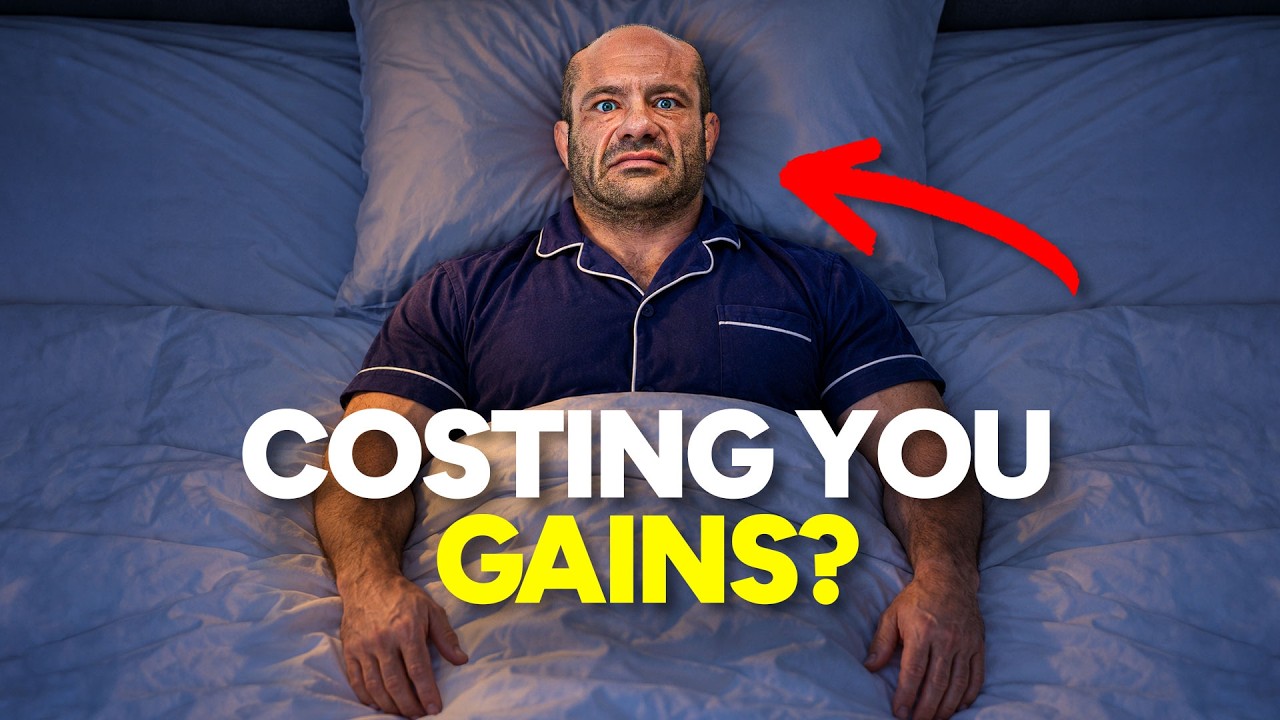
Yet one rough night is far less scary than most lifters fear.
So where does real damage begin?
Stick around for a rescue plan covering training, food, and supplements for the morning after a terrible night.
Jump to:
What the New Sleep Review Actually Found
Edwards et al. published Sleep, The Overlooked Pillar of Muscle Hypertrophy in the Strength and Conditioning Journal, searching literature through August 2025. Topics span muscle protein synthesis, hormones, muscle mass, strength, sleep restriction, and resistance training outcomes.
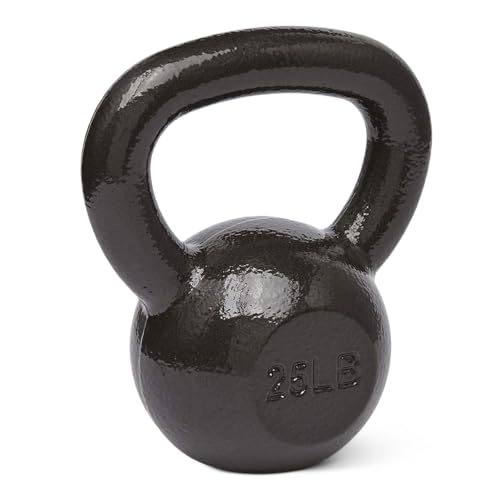
If you want something simple that actually works, this is one of the most effective tools I’ve used to build strength, conditioning, and endurance without needing a full gym setup.
- Full-body training with one weight using swings, squats, and presses
- Solid cast iron build that feels stable and lasts for years
- Comfortable grip that makes high-rep workouts easier to handle
It’s a structured narrative review, not a meta-analysis, so it’s a bit more vibes than it is technical data, but there’s lots of good stuff to take away from it.
Conclusions are restrained. Here’s the gist:
- Severe short-term sleep loss can lower muscle protein synthesis and disrupt hormonal and neuromuscular function.
- Chronically terrible sleep links to worse muscular health in observational data.
- Ordinary restriction (an hour or two here and there) lacks enough evidence, especially in trained lifters, to prove long-term hypertrophy losses.
- Exact dose-response remains unknown.
Because research is scarce, Israetel blends published data, coaching experience, and physiology into practical guidance. Treat his numbers below as informed estimates, not lab-tested cutoffs.
Two Factors Decide How Much Muscle You Risk
Factor 1: Hours Missed Per Night
- 1 hour short: Not a big deal for next-day growth or retention.
- 2 hours short: Slight cost, quite minor with solid nutrition and hard training.
- 3 hours short: Considerably more.
- 4+ hours short: Legit cost, meaning less growth, or even muscle loss during a deficit.
“Legit” doesn’t mean disaster. One bad day won’t strip loads of muscle.
Anything you lose in 1 day of bad sleep, you’re going to gain back like the next day when you get good sleep.
Factor 2: Number of Short Nights Per Week
Even a 4-hour shortfall costs almost nothing if it happens once a week. Late night with friends? Weekend party in college? Relax.
Do not freak out about 1 night of even really, really crappy or really, really tiny amounts of sleep.
Contest prep is the exception. Otherwise, nail nutrition and training, then move on.
As short nights pile up, though, consequences climb.
If you want something simple that actually works, this is one of the most effective tools I’ve used to build strength, conditioning, and endurance without needing a full gym setup.
- Full-body training with one weight using swings, squats, and presses
- Solid cast iron build that feels stable and lasts for years
- Comfortable grip that makes high-rep workouts easier to handle
Why Sleeping 12 Hours Won’t Repay Yesterday’s Debt
Say you were due to build a few grams of muscle but slept poorly. Marathon sleep next night won’t deliver those grams.
The opportunity to use that last day to gain muscle is gone forever.
Fatigue works differently. It accumulates until one night leaves you feeling amazing.
Picture three hours lost Monday, then one hour lost Tuesday through Thursday. Monday’s hangover lingers and snowballs.
Cumulative, not enough sleep will follow you around.
Israetel recalls a work trip with awful hotel beds. By the end, he said, “I’m going to die,” and he clamped training down to super high reps to avoid injury.
Treat Sleep Loss Like a Wound
Think action-movie hero fighting on with a gnarly injury. Relief arrives only at the hospital, which here means one truly restorative night.
Think of getting very little sleep as a wound.
- Typical ceiling: Rarely do lifters benefit from beyond 9 to 10 hours.
- Repair mode: After several short nights, 9 to 10 hours may be exactly right.
- Personal example: Deep into fat-loss dieting, Israetel sleeps 9 to 10 hours for a few nights and says he feels like he has superpowers.
- Weekend rule: Slept poorly all week and felt meh after a normal Friday? Make Saturday a snooze fest.
Your Rescue Plan After One Terrible Night
Woke up wrecked? Israetel offers a checklist for salvaging the day.
If you want something simple that actually works, this is one of the most effective tools I’ve used to build strength, conditioning, and endurance without needing a full gym setup.
- Full-body training with one weight using swings, squats, and presses
- Solid cast iron build that feels stable and lasts for years
- Comfortable grip that makes high-rep workouts easier to handle
In the Gym
1. Stay psychologically relaxed. Anxiety about being under-slept stacks extra fatigue onto existing fatigue.
So, just chill. You didn’t get enough sleep. Just do your best.
2. Use stimulants before training. Caffeine, or his personal favorite paraxanthine, can bring training back to almost normal standards. Time doses early enough that tonight’s sleep isn’t sabotaged.
3. Swap your lifts. Neuromuscular coordination suffers even when you’re buzzed on stimulants. Choose stable, supported options:
- Machine rows instead of bent rows
- Leg press or hack squats instead of squats
- Cables and machines over barbells and dumbbells
- Seated or chest-supported moves instead of free-standing overhead presses
One lame session of cables and machines beats getting hurt any day of the week.
4. Add 5 to 10 reps per set and reduce load. Five reps becomes ten, ten becomes fifteen. Israetel argues injuries come mostly from sets of five to ten, rarely from sets of twenty, while stimulus stays similar.
5. Shorten rest periods. Sleepy lifters linger on comfy benches. Set a timer for about a minute, then consider supersets, myo-reps, or myo-rep match sets for a burn and pump.
6. Skip personal records. Chasing PRs while exhausted magnifies injury risk. Aim for high-quality work and a great pump instead.
If you want something simple that actually works, this is one of the most effective tools I’ve used to build strength, conditioning, and endurance without needing a full gym setup.
- Full-body training with one weight using swings, squats, and presses
- Solid cast iron build that feels stable and lasts for years
- Comfortable grip that makes high-rep workouts easier to handle
Food, Steps, and Bedtime
7. Eat plenty of protein, with calories near maintenance. Dieting hard on a sleepless day risks more muscle loss. Overeating in a bulk invites extra fat gain.
8. Hit your normal step count. Tired bodies drift toward inactivity, which feeds fat gain and blunts physical tiredness at bedtime.
9. Hit the sack early. One missed night, a smart workout, great food, then amazing sleep is a recipe Israetel calls “golden.”
10. Eat slow-digesting protein about an hour before bed. Think Greek yogurt, skim milk, casein, eggs, or meat. Aim for roughly a meal and a half’s worth to fuel recovery overnight.
The Big Takeaway
One night of missed sleep is no big deal and life is just going to deal it to you sometimes.
Repeated shortfalls without correction are what drain gains. Fix the debt fast, and muscle building stays on track.