In his latest YouTube video, Mitchell Hooper, the World’s Strongest Man, breaks down the biggest mistakes he sees lifters make when trying to build strength.
Drawing on his extensive experience—from coaching athletes to competing at the highest levels of strength sports—Hooper shares invaluable insights on what’s holding many people back, whether they’re beginners or seasoned pros.
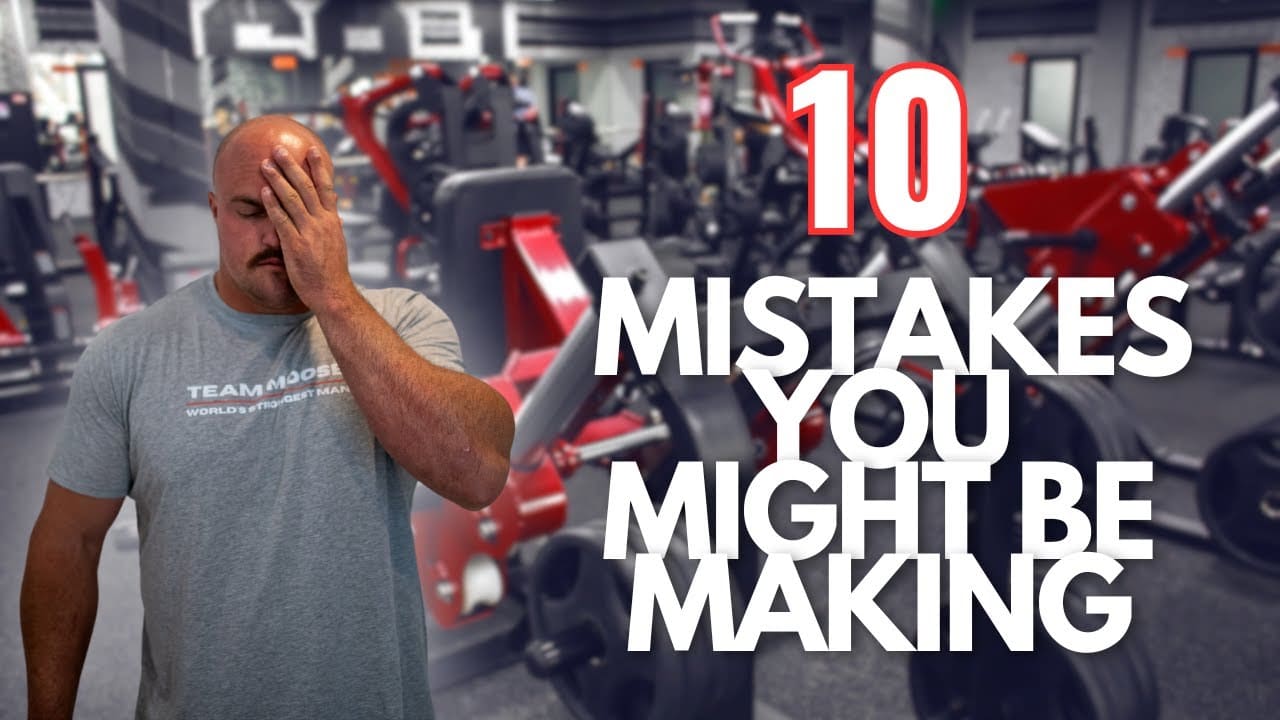
According to Hooper, getting strong is a long, grueling journey, and the path is often littered with common pitfalls that derail progress.
From rushing the process and comparing yourself to others to overcomplicating nutrition and avoiding hard work, Hooper’s advice is straightforward, evidence-based, and grounded in years of practical application.
Here’s a closer look at the key mistakes Hooper highlights and how you can avoid them to maximize your strength gains.
Jump to:
Rushing the Process
One of the biggest mistakes people make when trying to get stronger is rushing the process. Strength training is a marathon, not a sprint. It’s a journey filled with gradual progress, frustrating plateaus, and unexpected setbacks.
Strength Takes Time
Even for elite athletes, getting strong doesn’t happen overnight. It’s common to see initial gains when you start lifting, but those gains often slow down, and it takes years of consistent effort to see substantial improvements.
For instance, many professional strength athletes, including those who’ve won major titles, often spend over a decade working on their strength before reaching their peak. A champion’s story isn’t just about a few years of intense training but includes a long history of dedication, often starting years before they ever considered competing seriously.
Progress Gradually
Your muscles might adapt relatively quickly, but tendons, ligaments, and other connective tissues need more time to catch up. If you try to lift too heavy, too fast, you’re risking burnout or even injury.
A general rule is to increase your weights by 2-5% each week, with a planned deload every 4 to 6 weeks. A deload period allows your body to recover and adapt, which is crucial for long-term success.
Stay Patient and Focused
Rushing can lead to setbacks that might keep you out of the gym for weeks or months. Strength is built slowly, and every small win adds up over time. Stick to your plan, be patient, and remember that consistency is key to avoiding burnout and injury.
Comparing Yourself to Others
It’s easy to get caught up in comparing your strength progress to others, especially in the age of social media where everyone’s best moments are on display. But comparing yourself to other lifters, especially those with different genetic backgrounds, is a recipe for frustration.
Genetics Play a Huge Role
Strength isn’t just about hard work—it’s also about genetics. Simple things like tendon attachment points can give some people a significant advantage. For example, if your bicep tendon attaches even slightly farther from the elbow compared to someone else’s, you’ll have a mechanical advantage, allowing you to lift more with the same muscle strength.
These small anatomical differences can be the reason why one person excels at a lift while another struggles. It’s not about effort alone; sometimes, it’s just biology.
Focus on Your Own Progress
When you compare yourself to others, you might either underestimate your achievements or set unrealistic expectations. Instead, measure your progress against where you started. Celebrate your improvements, no matter how small, and keep pushing towards your personal best.
It’s Your Journey
Remember, your strength journey is uniquely yours. Whether you’re setting personal records or just showing up consistently, it’s all progress. Stay focused on your path and resist the urge to compare your journey to anyone else’s.
Neglecting Cardiovascular Fitness
Many people trying to get strong often skip cardiovascular exercise, thinking it will interfere with their strength gains. However, neglecting cardio can actually hinder your progress and overall performance in the gym.
Cardio Supports Strength
Contrary to popular belief, maintaining a basic level of cardiovascular fitness won’t make you weaker. In fact, it can significantly enhance your recovery between sets, workouts, and even improve your overall work capacity during training sessions.
Cardio helps improve blood flow, which increases the delivery of oxygen and nutrients to your muscles. This enhanced vascularization can speed up recovery times, allowing you to train harder and more frequently—key factors in getting stronger.
Keep it Simple
You don’t need to run marathons or spend hours on the treadmill to benefit. Simple activities like brisk walking, light jogging, or cycling a few times a week are enough to keep your cardiovascular system in shape without compromising your strength goals.
The Bottom Line
Integrating light cardio into your routine can help you lift more weight and recover faster, ultimately supporting your strength journey. It’s about balance—enough to boost your fitness without interfering with your primary focus on strength.
Overemphasizing Unimportant Factors
One of the most common pitfalls in strength training is getting bogged down by details that don’t significantly impact your progress. While it’s tempting to chase the latest recovery techniques or obsess over perfect nutrition, focusing too much on the minutiae can distract from what truly matters.
Stick to the Basics
People often stress over getting exactly one gram of protein per pound of body weight, hitting precise hydration targets, or incorporating every supplement under the sun. While these factors can play a role, they aren’t nearly as crucial as consistent training, solid nutrition, and proper recovery.
For example, minor variations in protein intake—whether it’s 0.9 or 1.1 grams per pound—won’t make or break your progress. The same goes for advanced recovery techniques like red light therapy or cryotherapy. Unless you’re already at an elite level, these methods will only offer marginal benefits at best.
Prioritize What Matters
Focus on the big rocks: train hard, eat a balanced diet, manage stress, and get enough sleep. Prioritize active recovery methods like light stretching, walking, and staying hydrated rather than getting lost in the complexities of high-tech recovery options.
Don’t Sweat the Small Stuff
Save the advanced recovery tools and precise nutritional tweaks for when you’ve mastered the basics and are pushing the limits of your potential. Until then, put your energy where it counts—into consistent, hard work and sound training principles.
Inconsistent Commitment to Training
Inconsistency is a major obstacle on the path to getting strong. Many lifters go through cycles of intense training followed by periods of little to no activity, which can severely hinder progress and increase the risk of injury.
Strength is a Long-Term Commitment
Building real strength isn’t something you can do with sporadic effort. It requires a dedicated approach over the span of years, not just weeks or months. Taking extended breaks, skipping workouts, or neglecting training during vacations can all disrupt your progress.
Even during planned deloads or rest periods, staying active is important. Light exercise during these times helps maintain your muscle and strength levels, keeping you primed for when you return to full training.
Consistency Beats Intensity
The biggest gains in strength come from showing up regularly, not from occasional bursts of maximum effort. Skipping the gym for weeks after training hard for a few months sets you back and increases your risk of injury when you jump back into heavy lifting.
Your body adapts to what you do consistently, not what you do occasionally. Consistent training teaches your muscles, connective tissues, and nervous system to work together effectively, which is essential for strength development.
Stay the Course
Consistency is your best ally in getting strong. Even on days when motivation is low, doing something—whether it’s a lighter workout, a brisk walk, or mobility work—keeps you on track. The key is not to let periods of inactivity become the norm.
Avoiding Hard Work
A common but often overlooked mistake in strength training is avoiding the hard work required to build real strength. Strength isn’t just about showing up to the gym—it’s about pushing yourself near your limits, consistently challenging your muscles and nervous system.
Heavy Lifting is Essential
To get strong, you need to lift heavy weights that challenge you. If your lifts always feel easy or you’re avoiding sets that test your limits, you’re not maximizing your potential. True strength gains occur when you’re moving weights that feel heavy and require significant effort.
Overtraining is often misunderstood; for most people, the real issue is under-recovering rather than working too hard. While managing your recovery is crucial, consistently avoiding difficult lifts or challenging weights will stall your progress and limit your strength gains.
Embrace the Grind
Hard work isn’t glamorous, and it’s often uncomfortable. But those tough sets, the ones that make you question if you can push through, are exactly where growth happens. Avoiding hard work because of fear of failure, discomfort, or simply wanting to stay in your comfort zone will keep you from reaching your strength goals.
Push Through, but Smartly
There’s a balance between pushing your limits and overdoing it. Train smart, listen to your body, and incorporate deloads when necessary, but don’t shy away from the heavy stuff. It’s those tough training sessions that lay the foundation for real, lasting strength.
Ignoring Lifestyle Factors Beyond the Gym
Many people believe that strength training begins and ends in the gym, but your lifestyle outside of your workouts plays a critical role in your overall progress. Focusing only on the time you spend lifting weights can severely limit your results.
Strength is Built 24/7
Getting stronger isn’t just about your gym sessions—it’s also about how you live the rest of your day. Key lifestyle factors such as sleep, nutrition, stress management, and daily activity are all integral parts of the strength-building process.
Sleep is especially important; it’s during rest that your body repairs muscle tissue and recovers from training. Without enough quality sleep, your performance and recovery can suffer significantly. Aim for a consistent sleep schedule and prioritize getting 7-9 hours per night to optimize your recovery and performance.
Nutrition and Daily Habits Matter
Nutrition isn’t just about what you eat, but also when and how consistently you fuel your body. Regular, balanced meals provide the nutrients needed to support muscle growth and energy for your workouts. Similarly, maintaining a routine of light daily activity, like walking or light stretching, can aid in recovery and keep your body primed for lifting.
Stress management is another critical factor often overlooked. High levels of stress can interfere with recovery, impact sleep quality, and ultimately hinder your ability to train effectively. Incorporating relaxation techniques, such as deep breathing, meditation, or even a simple walk outdoors, can help balance your body’s stress response.
Align Your Lifestyle with Your Goals
Think of your lifestyle as a support system for your training. Everything you do outside of the gym either helps or hinders your progress. Align your habits with your strength goals—eat well, sleep enough, manage stress, and stay active throughout the day to maximize your gains.
Overcomplicating Nutrition
Nutrition plays a vital role in strength training, but many lifters make the mistake of overcomplicating their diet. Between the constant barrage of diet trends and conflicting advice, it’s easy to get lost in the details that don’t matter as much as you think.
Keep Nutrition Simple and Effective
You don’t need an overly complex diet plan to get strong. The basics—consuming adequate protein, balanced carbohydrates, and healthy fats—are more important than following the latest nutrition fads or precise macronutrient calculations. For most strength athletes, aiming for about 1 gram of protein per pound of body weight per day is sufficient to support muscle growth and recovery.
Complex calculations and extreme diet tweaks often make a marginal difference, especially for those who aren’t competing at the highest levels. Instead of obsessing over exact numbers or minor nutritional details, focus on the fundamentals: eat enough calories to support your training, prioritize whole foods, and ensure your meals are consistent and balanced.
Avoid the Supplement Trap
The supplement industry markets countless products promising improved performance, but most of these offer little benefit for the average lifter. While some supplements, like protein powder or creatine, can be helpful, the vast majority of your progress will come from your diet and training consistency, not from a pill or powder.
Focus on Consistency Over Perfection
Rather than striving for a perfect diet, aim for a sustainable and consistent approach to eating. Get your macronutrients right, don’t skip meals, and make sure you’re fueling your body appropriately for your workouts. This straightforward approach will carry you much further than constantly tweaking your nutrition plan in search of a magic formula.
Over-Reliance on Machines
While machines have their place in the gym, relying too heavily on them can hold back your strength gains. Many people use machines because they feel safer or easier to control, but this can come at the expense of building real-world strength and functional movement patterns.
Free Weights Build Functional Strength
Free weights like barbells and dumbbells require more coordination, stability, and muscle activation compared to machines. When you lift free weights, you engage more of your body’s stabilizing muscles, improve your balance, and develop a better overall sense of how to move heavy loads effectively.
Machines, on the other hand, guide your movements through a fixed range of motion, which limits the engagement of supporting muscles. This can result in strength that doesn’t fully translate to real-world or athletic scenarios, where your body needs to work as an integrated system.
Machines Have Limited Carryover
Using a machine to build strength in a specific movement pattern doesn’t always carry over to free weight or sport-specific lifts. For example, a machine bench press may help increase muscle size, but it won’t improve the coordination, grip strength, and stabilizer muscle engagement needed for a barbell bench press.
While machines can be useful for isolating muscles or rehabbing injuries, they should complement—not replace—free weight and compound exercises that challenge your body as a whole.
Prioritize Free Weights and Compound Movements
To maximize your strength gains, prioritize free weights and compound movements that require multiple muscle groups to work together. Use machines sparingly, primarily as a supplement to target weak points or add volume without overtaxing your nervous system. The foundation of your training should always be built on movements that challenge you dynamically and prepare you for real-world strength.
Searching for the Secret Tip
In the pursuit of strength, many lifters waste time looking for a secret tip or magic solution that will fast-track their progress. Whether it’s a specific training program, a breakthrough supplement, or an advanced recovery method, the belief that there’s a hidden key to getting strong can lead to frustration and missed opportunities.
There Are No Shortcuts
The reality is that there is no secret tip to getting strong—just consistent, hard work applied over time. The basics of strength training have remained largely unchanged for decades because they work. Lift heavy, progressively overload your muscles, eat well, rest adequately, and stay consistent.
Training programs can vary, and some methods may suit certain individuals better than others, but at their core, all effective programs revolve around these fundamental principles. Chasing after the latest trend or trying to hack your way to strength will only divert your focus from what truly works.
Embrace the Fundamentals
The real “secret” to getting strong isn’t a secret at all—it’s mastering the basics and applying them consistently. It’s about showing up to every workout, pushing yourself, and making smart choices outside the gym to support your training. No amount of advanced techniques can replace the effectiveness of hard work and perseverance.
Focus on Your Own Journey
Everyone’s path to strength is different, and what works for someone else might not work for you. Stop searching for a quick fix and start focusing on building solid habits that you can maintain long-term. The more you commit to the basics, the closer you’ll get to becoming the strongest version of yourself.