Can dry scooping your pre-workout actually give you better results? Will deadlifting make you taller — or stunt your growth? Can you build muscle while losing fat?
These are just a few of the dozens of fitness myths out there. Luckily, fitness YouTuber Jesse James West teamed up with Jeff Nippard — one of the world’s most evidence-based bodybuilders — to review and debunk the most talked-about fitness myths in a video that’s both hilarious and seriously helpful.

From lifting techniques to recovery, sleep, supplements and protein, here’s the ultimate breakdown of the most common workout misconceptions — and what the science actually says.
Jump to:
- 1. Morning Testosterone Makes a Big Difference
- 2. Low Body Fat = Healthier Body
- 3. The Number on the Scale Doesn’t Tell the Fat Loss Story
- 4. Fasted Cardio Burns More Fat
- 5. All Calories Are Equal
- 6. Eating Raw Eggs Builds More Muscle
- 7. Greens Powders Replace Vegetables
- 8. Dry Scooping Pre-Workout Is Better
- 9. BCAAs Are Better Than Protein
- 10. More Caffeine = Better Workouts
- 11. Ice Baths Build Muscle
- 12. You Must Eat Protein Within 30 Minutes Post-Workout
- 13. Protein Powder Damages Kidneys
- 14. You Can Only Absorb a Set Amount of Protein per Hour
- 15. Creatine Is a Steroid
- 16. Eating Out Automatically Leads to Weight Gain
- 17. Diet Soda Is Worse Than Regular Soda
- 18. “Bad” Foods Make You a Bad Person
- 19. Sugar Should Be Avoided at All Costs
- 20. Tracking Macros and Calories Is Too Time-Consuming
- 21. There’s an Optimal Time to Train
- 22. Stretching Before Your Workout Prevents Injury
- 23. Cardio Before Weights Is Best
- 24. More Cardio Automatically Means More Fat Loss
- 25. Machines Are Less Effective Than Free Weights
- 26. You Can’t Build Muscle with High Reps
- 27. Training to Failure Increases Muscle Growth
- 28. You Must Train Each Muscle Twice a Week
- 29. You Must Squat, Deadlift, and Bench
- 30. You Can Build Muscle and Lose Fat Simultaneously
- 31. Cardio Kills Muscle Gains
- 32. The Only Reason to Do Cardio Is to Burn Calories
- 33. Walking Isn’t a Real Workout
- 34. Running Is Bad for Your Knees
- 35. More Sweat = More Fat Burned
- 36. Only Cardio Improves Heart Health
- 37. Weightlifting Stunts Growth
- 38. No Pain, No Gain
- 39. Resting 60 Seconds Between Sets Is Optimal
- 40. Squats Are Bad for Your Knees
- 41. Hormones Spike Dramatically from Training Legs
- 42. Spot Fat Reduction Works
- 43. Training Abs Gives You a Six-Pack
- 44. You Can Change Muscle Shape
- 45. Strength Training Is Just for Powerlifters
- 46. Longer Workouts Are Better
- 47. Missing One Workout Destroys Progress
- 48. You Should Train While Sick
- 49. You Must Be Sore to Make Progress
- 50. You Need 8 Hours of Sleep or Gains Are Lost
- Final Myth: Everything Must Be Perfect
1. Morning Testosterone Makes a Big Difference
It’s true that men have higher testosterone levels in the morning. But does this make your morning workouts substantially better? Not really. While some hormonal fluctuations occur throughout the day, the impact on overall performance and muscle gains is minimal.
2. Low Body Fat = Healthier Body
This one’s tricky. While excessive body fat can increase health risks, being too lean can also be dangerous — especially for hormones and mental health. As Jeff notes, “You can be at a very low body fat and be actually quite unhealthy.” It’s about balance, not extremes.
3. The Number on the Scale Doesn’t Tell the Fat Loss Story
Just because your weight isn’t decreasing doesn’t mean you’re not making progress. Due to recomposition, water retention, or muscle gain, the scale can be misleading. Especially in women, hormonal water retention is common and can cause sudden “swooshes” after a plateau.
4. Fasted Cardio Burns More Fat
Fasted cardio can increase fat burned during the session. But — and it’s a big but — the body compensates by burning less fat later in the day. Multiple long-term studies show no significant difference in fat loss between fed and fasted cardio.
5. All Calories Are Equal
Yes and no. A calorie is a unit of energy, and purely for weight loss or gain, calorie math holds: calories in vs. calories out. However, the quality of your calories affects satiety, nutrient intake, metabolism, and health.
- 110 calories of apple = 110 calories of candy — but with vastly different effects on your body.
6. Eating Raw Eggs Builds More Muscle
Sorry, Rocky. Cooking eggs denatures protein, making it more digestible and increasing protein absorption by about 30%. Eating them raw isn’t more anabolic — it’s actually less effective.
7. Greens Powders Replace Vegetables
Nothing beats real food. While greens powders can help in a pinch, they lack the fiber, volume, and full nutrient profile of actual vegetables.
8. Dry Scooping Pre-Workout Is Better
It might look hardcore, but it can be dangerous. Inhaling powder can irritate or damage your lungs, and it’s less safe than mixing it with water. Bottom line: it’s not worth the risk.
9. BCAAs Are Better Than Protein
BCAAs (branched-chain amino acids) only include 3 of the 9 essential amino acids necessary to build muscle. Without all 9, muscle protein synthesis is incomplete. A complete protein powder is far superior.
10. More Caffeine = Better Workouts
Too much caffeine can actually impair performance, increase anxiety, and disrupt sleep. There’s a sweet spot — more isn’t always better.
11. Ice Baths Build Muscle
While cold exposure may help reduce soreness and improve mental clarity, it’s a myth that it builds muscle. In fact, prolonged cold exposure post-workout may reduce hypertrophy.
12. You Must Eat Protein Within 30 Minutes Post-Workout
The so-called “anabolic window” is much wider than 30 minutes. Studies show 3–5 hours between pre- and post-workout meals is totally fine for maximizing gains.
13. Protein Powder Damages Kidneys
Unless you have pre-existing kidney disease, consuming higher levels of protein — including powders — is safe and does not cause kidney damage.
14. You Can Only Absorb a Set Amount of Protein per Hour
The body does have a limit on immediate absorption, but that protein isn’t wasted. It’s digested more slowly across the day and still contributes to muscle building.
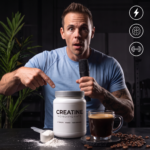
15. Creatine Is a Steroid
This is one of the most persistent myths. Creatine is a natural compound found in red meat and produced by the body. It’s not a steroid — it’s closer to a nutrient like protein.
16. Eating Out Automatically Leads to Weight Gain
Not if you’re mindful. Weight loss still comes down to a calorie deficit, and tracking your food — apps like MacroFactor make it easier than ever — lets you enjoy occasional meals out while staying on track.
17. Diet Soda Is Worse Than Regular Soda
Artificial sweeteners, including those in diet soda, have been shown to be safe across many studies. In fact, replacing sugar-sweetened drinks with diet alternatives often leads to weight loss.
18. “Bad” Foods Make You a Bad Person
Food doesn’t have morality. Moderation is key — one meal doesn’t derail your fitness journey.
19. Sugar Should Be Avoided at All Costs
Excess sugar intake, especially from highly processed foods, is problematic. But moderate sugar consumption, especially from natural or whole food sources, can fit into a healthy diet.
20. Tracking Macros and Calories Is Too Time-Consuming
Apps like MacroFactor significantly reduce the time it takes to log food — down to just five minutes a day.
21. There’s an Optimal Time to Train
The best time to work out is when you can be consistent and perform well. Morning, afternoon, or night — what matters most is consistency.
22. Stretching Before Your Workout Prevents Injury
Static stretching can decrease performance. Dynamic movements like leg swings or light cardio are more effective warm-up techniques before weightlifting.
23. Cardio Before Weights Is Best
Doing cardio first can sap energy and reduce weightlifting performance. If fat loss is the goal, cardio after weights is generally better.
24. More Cardio Automatically Means More Fat Loss
Cardio contributes to a calorie deficit, but diet plays the larger role. Also, cardio calories are easy to erase with a quick snack.
25. Machines Are Less Effective Than Free Weights
If you push close to failure, both machines and free weights can produce similar muscle growth. The key: train intensely, not just with certain tools.
26. You Can’t Build Muscle with High Reps
Muscle growth can occur with reps ranging from 3 to 50, as long as intensity is high enough. The hypertrophy range is much more flexible than traditionally believed.
27. Training to Failure Increases Muscle Growth
Going to failure isn’t necessary. As long as you’re within 1–2 reps of failure, hypertrophy is maximized while reducing recovery burden.
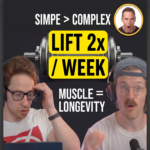
28. You Must Train Each Muscle Twice a Week
While twice-a-week training may be slightly better for experienced lifters, beginners can see excellent gains from once-per-week per body part splits.
29. You Must Squat, Deadlift, and Bench
These are excellent lifts, but not mandatory. Alternative machines or variations can produce similar results.
30. You Can Build Muscle and Lose Fat Simultaneously
This is true — especially for beginners, people returning after a break, or those with higher body fat starting out.
31. Cardio Kills Muscle Gains
Only in extreme amounts. Normal cardio, even several sessions per week, will not significantly interfere with muscle growth.
32. The Only Reason to Do Cardio Is to Burn Calories
- Cardio improves heart health
- Aids recovery and mental health
- Increases endurance
33. Walking Isn’t a Real Workout
Walking improves overall health, supports fat loss, and helps with joint mobility and mental health. It’s legit exercise.
34. Running Is Bad for Your Knees
Running, done correctly, can actually strengthen knees. Chronic injury comes from poor mechanics or overtraining — not running itself.
35. More Sweat = More Fat Burned
Not true. Sweat is a cooling mechanism, not a fat-loss signal.
36. Only Cardio Improves Heart Health
Resistance training also benefits cardiovascular function. Regular activity, regardless of modality, improves heart health.
37. Weightlifting Stunts Growth
This myth has no scientific basis. Proper resistance training is safe for adolescents and does not inhibit height growth.
38. No Pain, No Gain
Pain is not a signal for progress. DOMS (delayed onset muscle soreness) is not mandatory for muscle growth, and joint pain can indicate overuse.
39. Resting 60 Seconds Between Sets Is Optimal
Actually, resting longer — 2 to 3 minutes — has been shown to increase strength and muscle gain by allowing full recovery between heavy sets.
40. Squats Are Bad for Your Knees
With proper form and load, squats strengthen knees and increase mobility.
41. Hormones Spike Dramatically from Training Legs
Leg workouts can increase short-term testosterone, but it’s not enough to affect overall development significantly.
42. Spot Fat Reduction Works
You can’t burn fat in targeted areas. Fat loss is systemic, not localized.
43. Training Abs Gives You a Six-Pack
You need two things to see abs: low body fat and well-developed core muscles. Training abs helps, but diet is key.
44. You Can Change Muscle Shape
You can make muscles bigger, but you can’t reshape their genetic structure. Bicep peak or six-pack symmetry is predetermined.
45. Strength Training Is Just for Powerlifters
Everyone benefits from resistance training — from building muscle and bone density to improving insulin sensitivity and longevity.
46. Longer Workouts Are Better
More isn’t always more. Around 45–75 minutes per session is plenty for most people. Beyond that, returns diminish.
47. Missing One Workout Destroys Progress
One missed session won’t derail your gains. Progress is about consistency over time.
48. You Should Train While Sick
Light activity like walking may help, but intense workouts should wait until you’re fully recovered.
49. You Must Be Sore to Make Progress
Soreness is not required for muscle growth. Progressive overload matters more than DOMS.
50. You Need 8 Hours of Sleep or Gains Are Lost
You can still make progress with 6–7 hours, but high-quality sleep is crucial for optimal recovery and long-term performance.
Final Myth: Everything Must Be Perfect
Jeff Nippard says it best: “Your training and your diet don’t need to be perfect to get results — they just need to be consistent.”
So whether you’re busting myths or building muscle, stick to evidence-based practices, enjoy the process, and stay relentless.