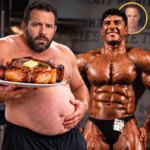
Zero carbs, rock-bottom insulin, maybe even ketosis, and still the body fat refuses to budge.
In a recent YouTube video, a veteran bodybuilding coach with more than 40 years of experience tackled this frustrating puzzle head-on.
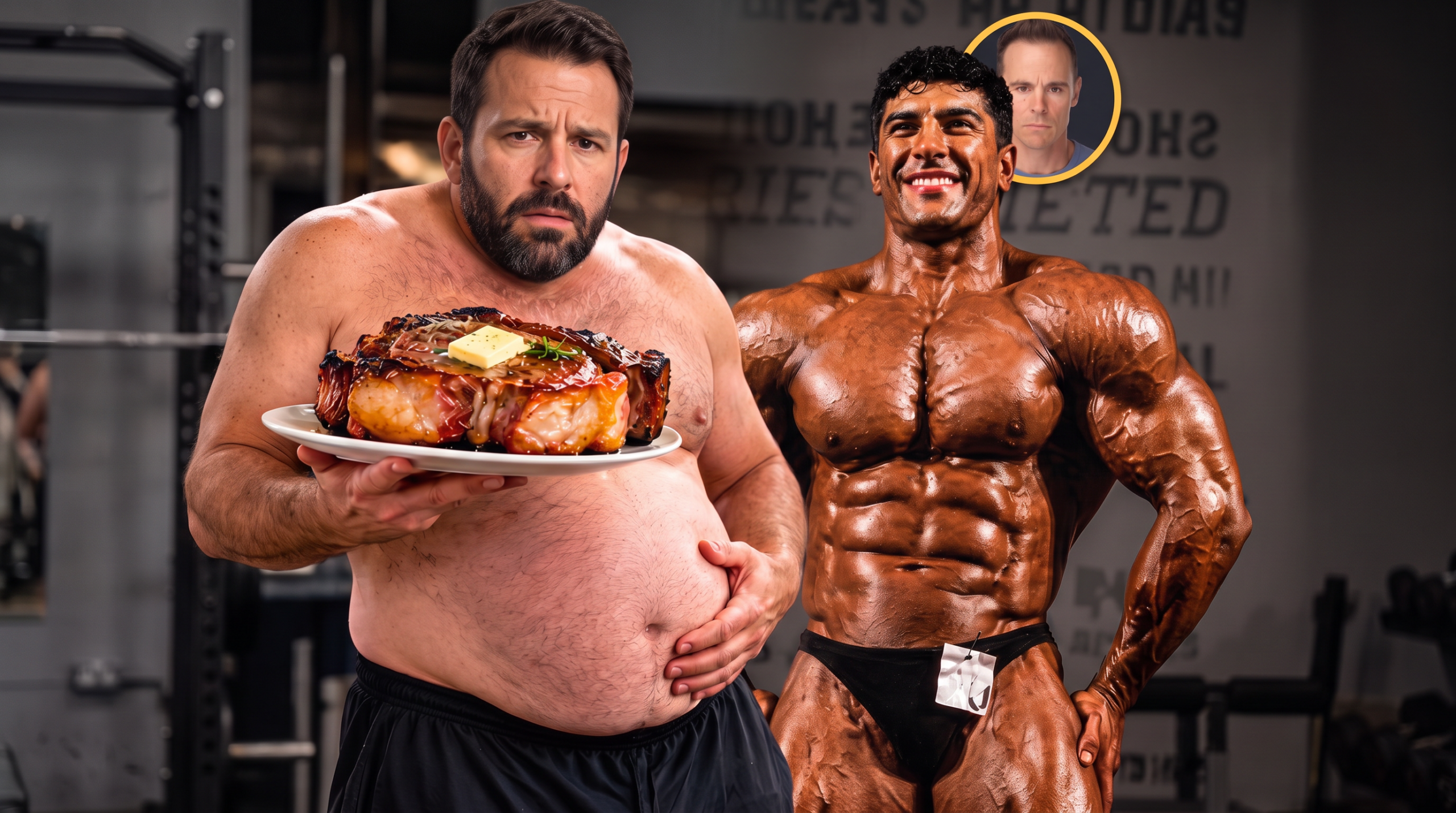
His verdict? Burning fat and losing fat are two completely different things.
One simple comparison of 180 grams versus 70 grams explains the whole plateau.
A six-step troubleshooting checklist waits at the end.
Jump to:
Why Ketosis Doesn’t Guarantee Fat Loss
The coach is no carnivore critic. He says the approach has “done wonders” for many people, yet he has watched others follow it for years without reaching their goals.
Burning fat is not the same as losing body fat. Because simply you can be burning fat but not losing your body fat.
Eat enough fat and ketones will appear, insulin will stay low, and carbs will sit at zero. The real question is which fat is being burned.
Fat from the plate can fill the energy tank completely. Stored body fat then gets a free pass.
The 180-Gram vs. 70-Gram Showdown
Picture two people eating identical protein, with one on 180 grams of fat daily and the other on 70.
- Person one: roughly 1,620 calories from fat
- Person two: roughly 630 calories from fat
- Gap: about 990 calories, every single day
Person one oxidizes mostly food-derived fat. Person two, with little incoming fat, must draw far more from his own stores.
You can burn enormous amount of fat every day without losing body fat if you are replacing that fat with equally large amounts of dietary fat.
The Ketone Strip Trap
A dark purple strip feels like proof of fat loss. The coach disagrees.
You’re producing ketones, this is true, but you’re producing ketones from which fat? Is it the dietary fat that you’re eating, or is it your body fat?
Why the First Weeks Can Fool You
Carnivore newcomers often drop weight fast. He credits several factors:
- Processed food disappears completely.
- Sugary products like juices, pastries, and anything made with flour vanish.
- Restricted choices naturally shrink intake.
- Protein is extremely filling, keeping hunger away for 4 to 6 hours.
- Lower insulin helps curb cravings and constant snacking.
Yet early losses of 10 pounds or more are mostly retained water and intestinal content. Some fat goes too, but not nearly that much.
The true test arrives after 4 weeks, 10 weeks, or 6 months. That is when plateaus appear.
Low Insulin Doesn’t Switch Off Fat Storage
Dietary fat arrives as triglycerides, the same molecules stored in fat cells. Fat cells can simply reassemble them, a process he calls “straightforward” and physiologically cheap.
You can store fat even if your insulin is low.
Insulin matters, but he insists it is not an on-and-off switch. Even strict carnivore eaters keep basal insulin, because amino acids need a ride into muscle cells.
Released fatty acids that go unburned can also be recycled right back into fat cells. Fat metabolism, he says, is dynamic rather than one-way.
His Own Fat-Loss Numbers
When the coach wants extra definition, he drops fat to 50 to 70 grams daily while keeping protein at 250 to 300 grams. He weighs about 95 kilograms and eats three times daily.
All I need is 50 to 70 g of fat a day, and I start changing dramatically within 2-3 weeks.
Occasional carbs, never above 50 to 70 grams and roughly weekly, round out his plan. Training near failure four to five times weekly and three to four outdoor walks complete the picture.
His numbers fit his body, not everyone’s. He stresses individuality, noting that hormones, insulin sensitivity, cortisol, recovery, and training style all shape the ideal ratio.
Must Carbs Disappear Entirely?
No. Someone eating 250 grams of protein and 100 grams of carbs, for example, should keep fat near 50 grams.
Carbohydrates are not evil. Fat is not evil. The main player in the whole game is always protein.
The Six-Step Troubleshooting Checklist
For clients stuck after years of carnivore eating, he follows this sequence:
- Check protein. Aim for 2 to 3 grams per kilogram of lean body mass, so a 100 kg lean frame lands at 250 to 300 grams.
- Trim fat in steps. Move from 200 grams to 150, then 100, eventually 70 or even 50 if needed, watching results at each stage.
- Track fat, not scale weight. Sedentary people can shed muscle and water while fat stays put.
- Audit training. High intensity, near failure, high volume, proper rest between sets, and clean form protect muscle.
- Protect recovery. Adequate sleep supports a fat-burning environment.
- Build sustainability. A plan must work for months and years.
The Carnivore Trap Nobody Mentions
Carnivore has real strengths, he says: no processed food, no sugar, and a simple, tasty, sustainable routine. Some people with autoimmune issues also feel better after dropping plant foods, which he links to antinutrients like lectins.
Carnivore diet does not mean eat as much fat as you want. It simply means eat animal food which contains protein and fat.
Protein is hard to overeat. Fat is dangerously easy, especially with butter, lard, cream, and cheese piled on.
Many people stop only when they physically cannot eat more. He says more than 100 clients in six months arrived extremely overweight despite following carnivore.
Even Vince Gironda’s famous meat-and-eggs approach, he argues, assumed eating as much as you need, then stopping. His own routine caps lean steak near one pound and eggs at five or six per sitting.