A groundbreaking twin study is shaking up how we think about fitness, health, and aging — and it just might change how you approach your workouts forever.
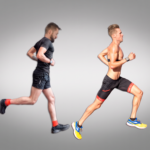
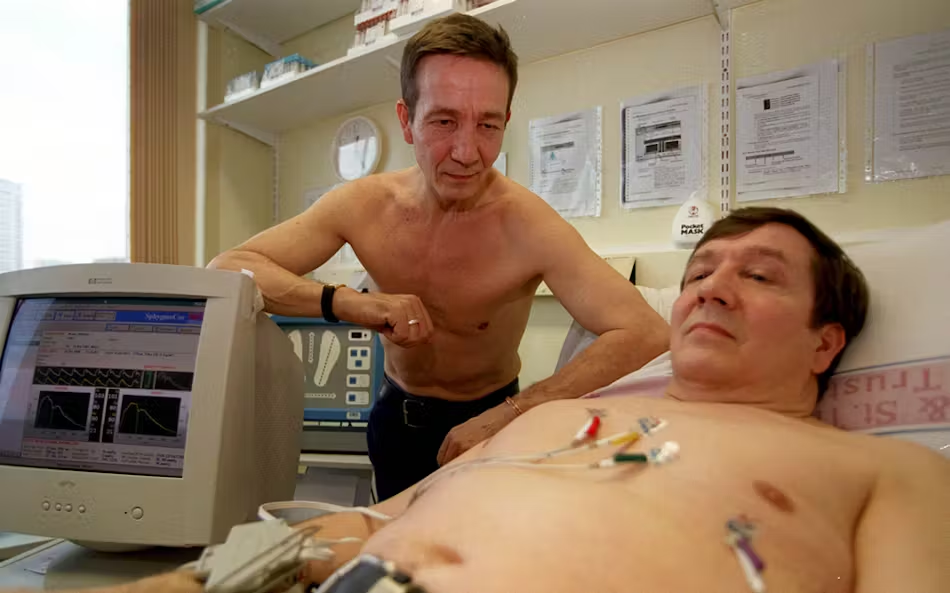
In a new study published in the European Journal of Applied Physiology, researchers from San Francisco State University, CSU Fullerton, and Cal Poly Pomona followed a pair of 52-year-old identical twins who lived radically different lives for over 30 years.
One twin became an Ironman triathlete and high school coach. The other?
A long-haul truck driver with a largely sedentary lifestyle.
Despite sharing 99.9% of their DNA, the two men diverged sharply in terms of physical health — offering a real-world glimpse into the power of lifestyle over genetics.
“This study gave us a unique opportunity to cut out the genetic part completely,” explained Dr. James Bagley, assistant professor of kinesiology at SF State.
“Any difference between them should be related to environment, exercise, or nutrition.”
The results? Startling. And inspiring.
Jump to:
Fitness Changes Everything — Even With Identical Genes
Bagley and his team ran a battery of tests to assess cardiovascular health, muscle composition, metabolic markers, and VO₂ max — the gold standard for aerobic fitness.
The trained twin, who has logged nearly 40,000 miles of running over three decades, exhibited:
- 55% more slow-twitch muscle fibers (built for endurance)
- 8.6% lower body fat
- 12.4 ml/kg/min higher VO₂ max (comparable to a fit 30-year-old)
- Lower blood pressure, blood sugar, cholesterol, and triglycerides
- Better aerobic capacity and endurance
In contrast, his sedentary brother had physiological metrics that were typical for his age — but significantly worse than his twin. His VO₂ max, for instance, placed him much closer to the “dependency threshold” often seen in older adults.
VO₂ max is critical because it measures how efficiently the body uses oxygen during exercise — a strong predictor of both cardiovascular health and independence in older age.
“As VO₂ max drops with age, you’re more likely to become dependent on others,” said Bagley. “Keeping it high is key to maintaining health span — not just lifespan.”
A Surprise in Muscle Strength
Despite the athlete’s superior health metrics, one surprising result turned heads: the untrained twin had stronger and larger leg muscles.
Why? Simply carrying around more body weight over time created a form of resistance training, albeit unintentional. “The untrained twin had to support more weight for decades, which likely contributed to greater lower body strength,” said Bagley. Meanwhile, the athlete’s muscles were leaner, more specialized for forward movement and endurance.
This isn’t the first time muscle mass has shown up in unexpected places. But it underscores an important point: muscle size isn’t always an indicator of optimal health — or performance.
The Science Behind the Differences
On a cellular level, the athlete showed significantly more AMPK protein expression, a key enzyme that helps muscles adapt to endurance training. He also had higher levels of genes linked to muscle regeneration and mitochondrial function (including PAX7 and IGF1 variants), which promote healthier, more efficient muscle cells.
This molecular data supports decades of exercise science: endurance training boosts cellular resilience, improves metabolism, and extends functional capacity.
Interestingly, the athlete’s high proportion of slow-twitch fibers — ideal for long-duration efforts — are not fixed by genetics alone. While some predisposition exists, training can dramatically shift fiber type composition. In this case, consistent training over 30 years yielded a 55% increase.
Genes Aren’t Destiny — But They Matter
Despite the stark contrast, researchers noted that the sedentary twin wasn’t in disastrous health. He remained close to average by American standards — a testament to the protective effects of their shared DNA.
“There’s a genetic buffer,” Bagley said. “The sedentary twin might be worse off if he didn’t share some of the same ‘Ironman genes.’”
Still, the key message isn’t about who won. It’s about what’s possible.
“This study proves your genes aren’t a cop-out,” Bagley emphasized. “You might have a harder starting point, but the decisions you make — whether to move, eat better, or stay active — still matter a lot.”
Building a Better Health Span, Not Just Lifespan
Researchers are now planning to follow the twins for the rest of their lives, measuring changes every five years. The goal? Understanding not just longevity, but “health span” — the number of years a person lives free of chronic disease or dependency.
“The athletic twin’s VO₂ max and functional markers are decades younger than his biological age,” said Bagley. “That translates to more years doing what he loves — independently.”
This adds to a growing body of evidence suggesting that regular physical activity can extend the years lived with vitality, not just survival.
Practical Lessons from a Real-Life Case Study
Not everyone is destined to become an Ironman. But this study offers clear takeaways for anyone looking to improve long-term health:
1. VO₂ Max Matters
This number isn’t just for elite athletes. It’s one of the most powerful predictors of healthy aging. Walking, running, cycling, swimming — any activity that gets your heart rate up can improve it.
2. Consistency Beats Intensity
The trained twin wasn’t always racing. He simply stayed active for 30 years. Small efforts, repeated daily, create huge changes over time.
3. Muscle Quality Counts More Than Muscle Size
Endurance exercise leads to leaner, more efficient muscles — and a more resilient body. Strength training complements this, but the goal should always be functional fitness.
4. Start Where You Are
The sedentary twin has since begun walking more. That alone is a powerful start. Even small increases in daily movement can reduce disease risk and improve well-being.
5. Don’t Blame Your Genes
This case study is a clear callout: genetics shape your starting line, not your finish line. Environment, lifestyle, and daily habits shape your health journey.
A Rare Natural Experiment, with Lifelong Impact
The twin study stands out as one of the most comprehensive real-world looks at long-term exercise effects, offering more dramatic differences than many previous twin studies. According to Bagley, the team has never seen such large variances in VO₂ max, slow-twitch muscle fibers, and blood markers — all pointing to the lasting power of movement.
And perhaps the best news?
The story’s not over. Both twins have agreed to continue participating in future testing, helping science understand not just what keeps us alive — but what keeps us thriving.
So the next time you debate skipping that workout? Remember: Your future self is watching. And every step counts.