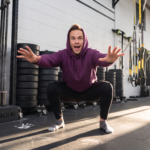
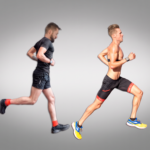
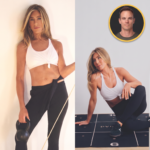
Unilateral leg training isn’t just another fitness trend—it’s a game-changer for athletes and everyday gym-goers alike.
In a recent training video, renowned strength coach Dan Garner broke down the ultimate unilateral exercises that should be part of everyone’s weekly routine.
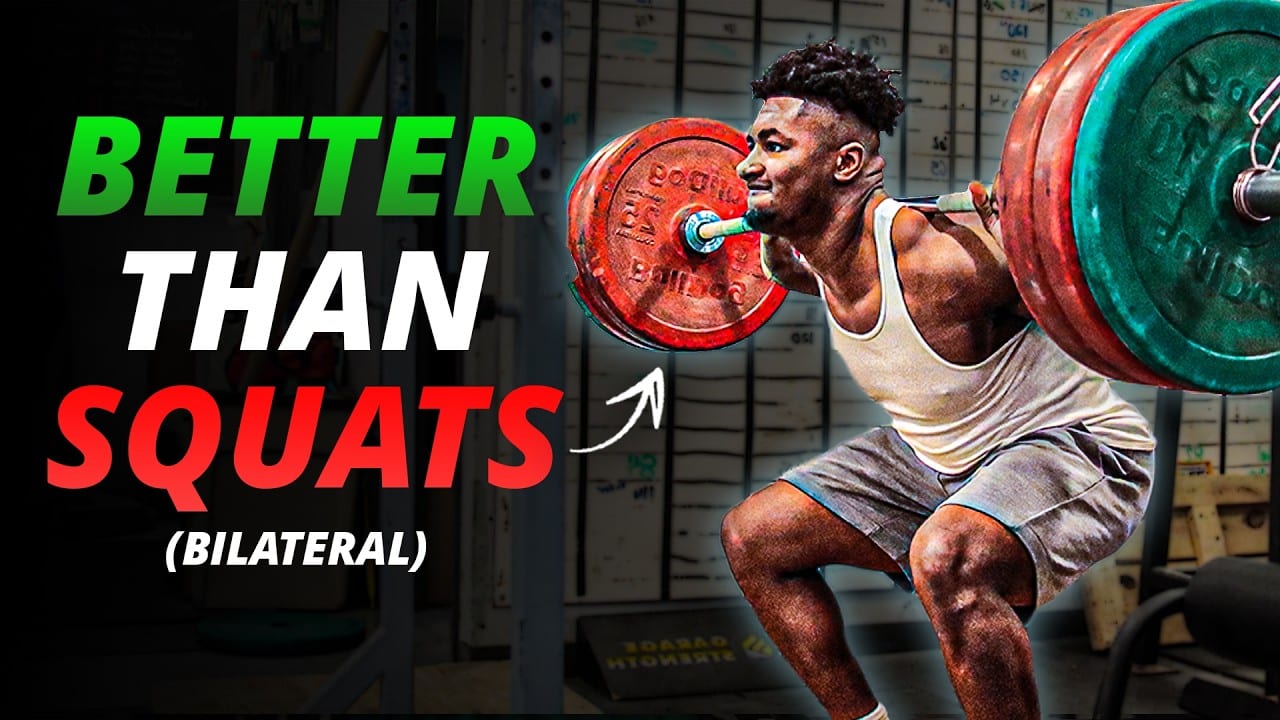
From explosive warm-ups to loaded strength movements, these exercises address imbalances, build functional power, and dramatically improve athletic performance.
But one exercise stands above all others as the absolute must-do for weekly training.
Jump to:
- Dynamic Warm-Up Movements That Activate Everything
- Skater Squats: Building Functional Athletic Power
- Single-Leg RDLs: Targeting Hamstrings With Precision
- Barbell Step-Ups: Lessons From Olympic Champions
- Pistol Squats: Building Mobility And Strength Simultaneously
- Lunges: Expert-Approved Unilateral Essential
- The Ultimate Unilateral Exercise: Single-Leg Squats
Dynamic Warm-Up Movements That Activate Everything
Garner emphasizes starting with proper activation before diving into heavy loads. His warm-up sequence includes three explosive unilateral movements that prime the entire posterior chain.
First up is the single-leg plate snatch performed like an RDL into a hip lock position. This can be executed with either a plate or barbell, requiring four repetitions on each side.
The Side Jump Hip Lock Challenge
The third warm-up movement adds a plyometric element—a side jump into a hip lock hold. Garner admits this one is challenging even for experienced coaches.
Like right now, my abs, my obliques, my lower back. I can feel that really, really well.
These three movements work synergistically to activate core stability, hip strength, and dynamic balance before the real work begins.
Skater Squats: Building Functional Athletic Power
Skater squats represent one of Garner’s favorite unilateral exercises for developing sport-specific strength. He’s used this movement extensively with football players and wrestlers, including two-time world bronze medalist Nick Wizowski.
For wrestlers, Garner incorporates what he calls the “giz position”—working on level changes and explosive penetration steps from the skater squat stance. This translates directly to competitive performance.
Common Mistakes To Avoid
Many athletes cheat the movement by dropping their back foot for assistance during the concentric phase. While this modification works for beginners building capacity, advanced trainees should maintain tension throughout without touching down.
Garner recommends focusing on controlled eccentrics and even incorporating pauses at the bottom position to maximize strength development.
Single-Leg RDLs: Targeting Hamstrings With Precision
Single-leg Romanian deadlifts make the fifth movement in Garner’s unilateral arsenal. This exercise appears as an accessory movement in his Peak Strength training app, typically programmed for five sets of five repetitions with substantial loading.
What makes this variation particularly effective is the knee flexion component, which creates a unique pulling stimulus for hamstring development.
I love having pulling exercises in knee flexion.
Speed-based athletes and wrestlers especially benefit from loaded single-leg RDLs, as they develop unilateral posterior chain strength critical for explosive movements.
Barbell Step-Ups: Lessons From Olympic Champions
Garner learned this next exercise from Dr. Anatoli Bondarchuk, an Olympic champion and arguably the best track and field throws coach in history. Barbell step-ups were a daily staple in that training system dating back to 2006.
For general fitness enthusiasts, a 90-degree hip angle works perfectly with lighter loads. The key technical cue is driving completely through the knee rather than stopping short.
Sport-Specific Variations
Athletes performing sports-specific training load step-ups considerably heavier—potentially several hundred pounds. This version uses both feet to drive upward, finishing with complete knee extension.
For those with knee concerns, Garner recommends the “triple jumper step-up” variation: slower eccentric, minimal push from the bottom foot, and keeping the toe elevated to emphasize hip flexion and posterior chain loading.
Pistol Squats: Building Mobility And Strength Simultaneously
Pistol squats serve double duty as both mobility work and strength development. Garner particularly values this movement for wrestlers and swimmers who need to generate force from deeply flexed positions.
Performing pistol squats off a box provides a reliable depth marker and makes the movement accessible while building capacity. Garner acknowledges his own hip weakness affects his ability to hold the non-working leg elevated, demonstrating that even experienced coaches have areas to develop.
The extended range of motion creates significant quad engagement while simultaneously improving mobility through the ankle, knee, and lower back. Adding pauses at the bottom position amplifies the difficulty and training effect.
Lunges: Expert-Approved Unilateral Essential
When Garner interviewed renowned strength coaches Jud Linhart and Stewart McMillan on his podcast, both emphasized lunges as essential weekly movements.
Basic lunges with proper mechanics—knee tracking behind the glute, upright torso—can be loaded substantially with heavy dumbbells or barbells.
Advanced Lunge Variations
- Rotational lunges: Adding trunk rotation creates intense activation through the lower back and glutes
- Jump lunges: Plyometric version develops explosive power and cross-pattern coordination
- Loaded lunges: Heavy external loads build absolute strength through extended ranges
Dude, these are movements we should be doing minimum once a week.
These variations target cross-pattern strengthening and contralateral coordination, leading to substantial strength gains throughout the glutes, hamstrings, and trunk musculature.
The Ultimate Unilateral Exercise: Single-Leg Squats
After demonstrating eight powerful unilateral movements, Garner reveals the number one exercise that must appear in everyone’s weekly training: single-leg squats using a specialized pad or roller.
This movement stands above all others because of its remarkable versatility and scalability. Using equipment like the single-leg squat pad predetermines range of motion while providing stable feedback.
Why Single-Leg Squats Reign Supreme
Single-leg squats accommodate every training goal and population:
- Warm-up movements: Light loads and higher speeds prepare the system
- Dynamic training: Explosive variations develop power output
- Core stability work: Overhead positions challenge trunk control
- Maximum strength: Athletes have performed 500-600 pound single-leg squats
Garner reports high school athletes repping 315 pounds and elite throwers hitting 420 pounds for triples on this movement. Such loads create extraordinary strength adaptations.
Applications Across Training Populations
For distance runners like Garner himself, single-leg squats represent the best supplemental exercise for running performance. Sprinters benefit from enhanced glute activation.
It’s a cheat code for the posterior chain.
Combat athletes, football players, and throwers use single-leg squats to address bilateral imbalances that commonly develop from sport-specific training. Programming the weaker leg first with heavier tension helps normalize strength discrepancies over six-month training blocks.
Programming Considerations
Single-leg squats offer infinite programming options: variable speeds, pauses on the pad, different arm positions (goblet, overhead, contralateral), and progressive loading schemes.
The stable platform created by quality equipment helps athletes feel subtle position changes and develop proprioceptive awareness that transfers directly to sport performance.
Whether training for athletic performance, general fitness, or injury prevention, incorporating single-leg squats weekly provides comprehensive lower body development that bilateral movements simply cannot match. This makes it the ultimate unilateral exercise that deserves a permanent place in every training program.