Grammy-winning singer Adele has become remarkably transparent about her transformation journey over recent years.
Her 100-pound weight loss stunned fans worldwide when she first revealed her dramatically different physique in 2020.
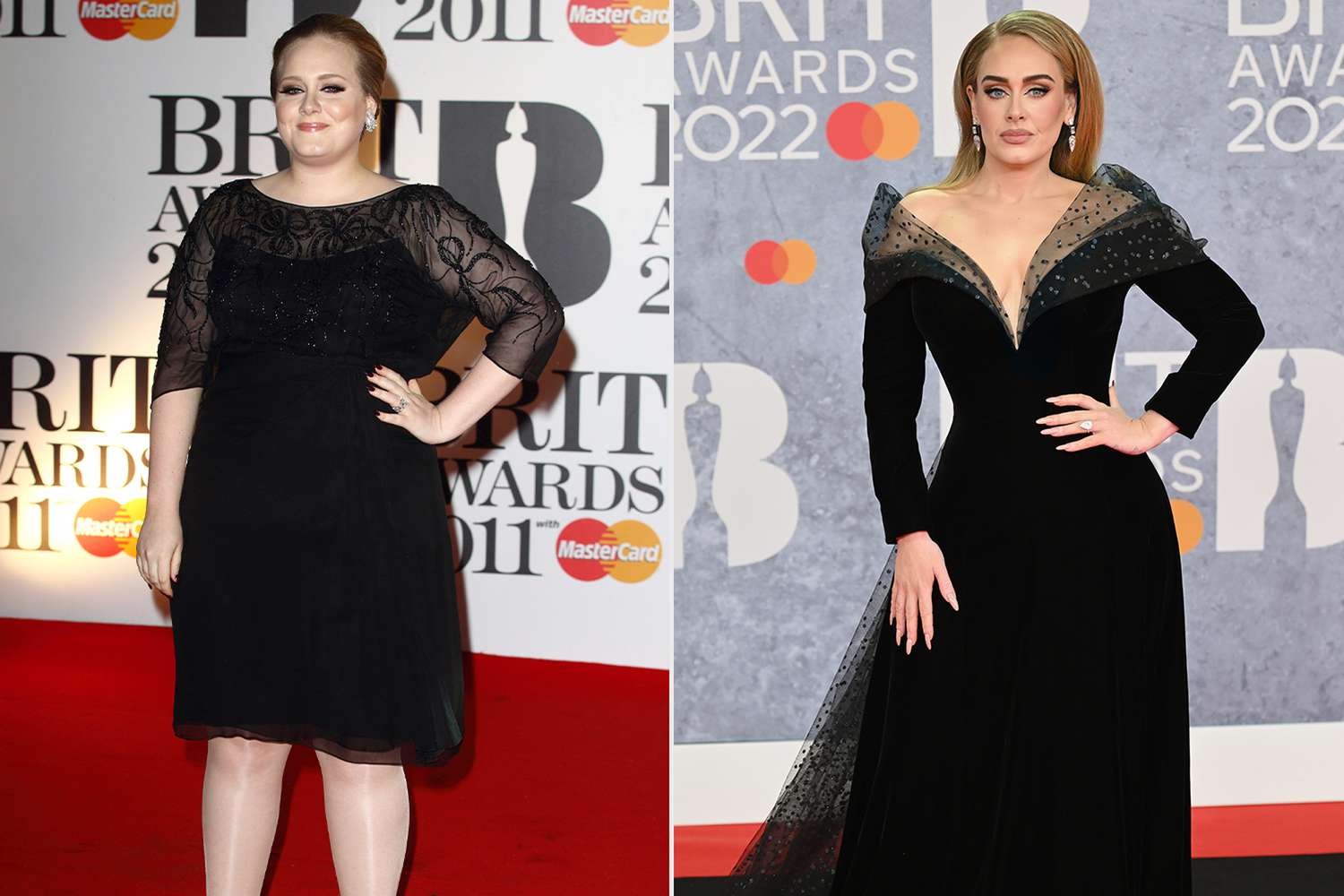
But behind those headlines lies a deeply personal story about mental health, self-discovery, and redefining what wellness means.
Here’s everything she’s shared about her journey—and why fitness became her lifeline during one of life’s toughest chapters.
Jump to:
When Fans First Noticed Her Transformation
Adele’s weight loss first captured public attention in May 2020 when she posted a birthday photo on Instagram. Wearing a fitted black mini dress, she looked radically different from previous public appearances.
“Thank you for the birthday love,” she wrote alongside the image. “I hope you’re all staying safe and sane during this crazy time.”
Celebrity friends immediately flooded her comments section. Chrissy Teigen exclaimed, “I mean are you kidding me,” while TV personality Kalen Allen noted her dramatically slimmer waistline.
This reveal came during Adele’s nearly six-year break from music between albums 25 and 30. She was also navigating divorce from ex-husband Simon Konecki, with whom she shares son Angelo.
Exercise as Therapy: The Real Motivation Behind Her Weight Loss
Contrary to popular assumptions, Adele never set out to lose weight. Her primary goal? Managing crippling anxiety attacks following her divorce.
It was never about losing weight, it was always about becoming strong and giving myself as much time every day without my phone.
She revealed this during October 2021 interviews with both British and American Vogue. The singer discovered that working out eliminated her anxiety symptoms completely.
I realized that when I was working out, I didn’t have any anxiety. The gym became my time.
Speaking with Oprah Winfrey for her Adele One Night Only special, she elaborated on those terrifying panic attacks.
I had the most terrifying anxiety attacks after I left my marriage. They paralyzed me completely, and made me so confused because I wouldn’t be able to have any control over my body.
Building Mental Strength Through Physical Fitness
Adele’s fitness philosophy centered on emotional resilience rather than physical appearance. She told Vogue she believed strengthening her body would eventually strengthen her mind.
I thought, If I can make my body physically strong, and I can feel that and see that, then maybe one day I can make my emotions and my mind physically strong.
Exercise became strategic time management for mental health. Having scheduled workout sessions created structure during an emotionally chaotic period.
Her Intense Training Regimen
What appeared overnight actually unfolded across two years. During that period, Adele admitted becoming “quite addicted” to working out.
Her daily routine included:
- Morning weight training sessions
- Afternoon hiking or boxing
- Evening cardio workouts
I do my weights in the morning, then I normally hike or I box in the afternoon, and then I go and do my cardio at night.
She acknowledged this schedule wasn’t realistic for most people. Working with professional trainers while “basically unemployed” gave her unique flexibility.
No Restrictive Diets Required
Despite speculation, Adele clarified she didn’t follow trendy eating plans. No intermittent fasting. No extreme calorie restriction.
Ain’t done that. No intermittent fasting. Nothing. If anything I eat more than I used to because I work out so hard.
Confronting Body Commentary and Public Scrutiny
Adele hasn’t shied away from addressing hurtful commentary about her transformation. Particularly painful? Criticism from other women.
The most brutal conversations were being had by other women about my body. I was very f—— disappointed with that. That hurt my feelings.
Still, she told Winfrey she wasn’t shocked by public discourse around her appearance. Years in the spotlight taught her that lesson repeatedly.
My body has been objectified my entire career. I’m either too big or too small; I’m either hot or I’m not.
She emphasized during her Vogue interview that body objectification predated her weight loss by over a decade.
My body’s been objectified my entire career. It’s not just now. I understand why it’s a shock. I understand why some women especially were hurt. Visually I represented a lot of women. But I’m still the same person.
Body Positivity at Every Size
Before her transformation, Adele championed body acceptance at any weight. That advocacy hasn’t changed despite her personal journey.
People have been talking about my body for 12 years. They used to talk about it before I lost weight. But yeah, whatever, I don’t care.
She challenged misconceptions about body positivity being exclusive to certain sizes or shapes.
You don’t need to be overweight to be body positive, you can be any shape or size.
During her Oprah interview, she reinforced this message with characteristic directness.
I was body positive then and I’m body positive now.
Setting Boundaries Around Others’ Feelings
While empathetic toward people struggling with body image, Adele established clear boundaries about whose emotional work belongs to whom.
It’s not my job to validate how people feel about their bodies. I feel bad if anyone feels horrible about themselves but that’s not my job. I’m trying to sort my own life out. I can’t add another worry.
Prioritizing Health for Her Son
Angelo became another powerful motivator in Adele’s wellness journey. When she began working out, her son was approximately 7 years old.
Sources close to the singer emphasized her focus on longevity and vitality rather than appearance. “For her, it’s not about losing weight,” one insider told PEOPLE in September 2019.
She wants to stay healthy for her son’s sake, and though it’s been challenging for her to keep a new workout routine, she is sticking with it.
That source also noted Adele found genuine enjoyment in her transformation process. “She has taken a more serious interest in improving herself and is actually having a great time.”
Key Takeaways from Adele’s Journey
Adele’s story offers several important lessons about sustainable wellness:
- Mental health can drive physical transformation – Exercise became her anxiety management tool first, weight loss second
- Consistency matters more than intensity – Two years of dedicated work produced lasting results
- Body positivity transcends size – Self-acceptance applies regardless of where someone is on their journey
- Personal boundaries protect wellbeing – She refused to carry others’ feelings about her choices
- Family motivation fuels commitment – Wanting to be healthy for Angelo kept her focused long-term
Perhaps most importantly, Adele demonstrated that transformation doesn’t require external validation. Her journey remained centered on what she needed during an incredibly difficult life transition.
That authentic approach—prioritizing mental wellness over aesthetic goals—may explain why her transformation resonated so powerfully despite the controversy it generated.