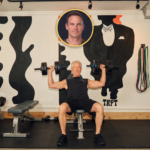
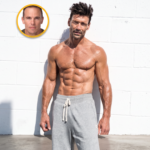
Stephen Lang has built one of Hollywood’s most impressive physiques for a man in his seventies, and he’s done it by rethinking everything about how he trains.
The Avatar star, now 74, looks decades younger than his age—not by clinging to the heavy lifting that once added 15kg of muscle to his frame, but by embracing flexibility, variation, and smarter training.
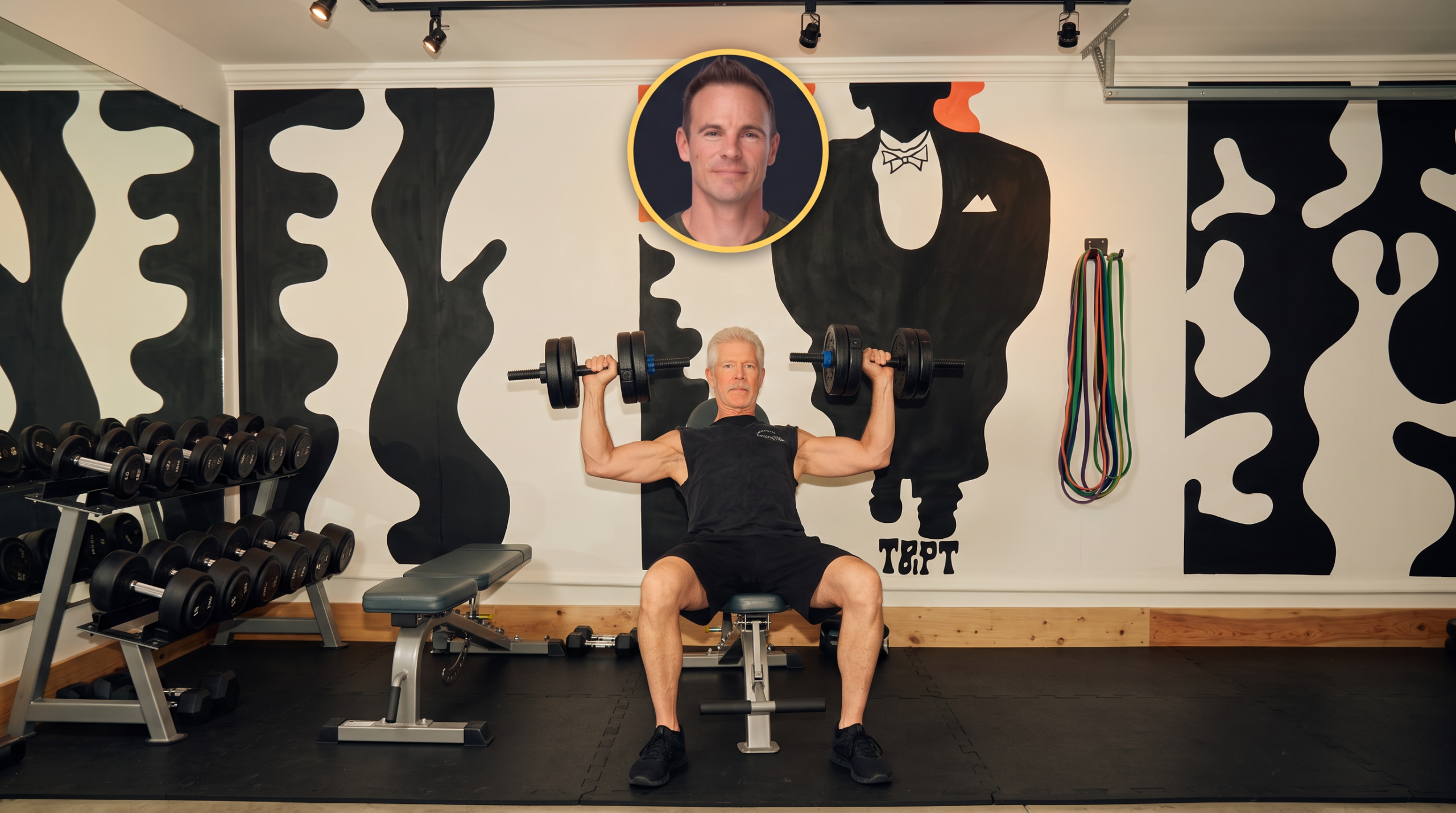
His approach offers a blueprint for anyone who wants to stay strong, mobile, and energetic well into their later years.
Here are the seven rules Lang lives by to stay fit for life.
Jump to:
Consistency Beats Intensity
Lang picked up his first barbell in 1969 and hasn’t stopped moving since. He trains at least four times a week, often more, blending weight training with yoga, karate, parkour, and kickboxing.
It’s not about perfection. It’s about showing up.
No products found.
It’s its own kind of meditation. Lifting is a very personal and interior pursuit. And I admit to vanity, but it’s a professional thing, too. I need to look good in my profession. The older I get the more vital it is.
That consistency compounds over time, keeping his body resilient and his mind sharp. Movement isn’t a chore for Lang—it’s a ritual that anchors his day and his identity.
Flexibility Saved His Career
When Lang packed on muscle to play Colonel Miles Quaritch in Avatar, he was bench pressing more than 110kg and weighing in 15kg heavier than he does now. But that size came at a cost.
When I finished Avatar I looked like I was a big, strong guy. And I suppose I was, but I was totally brittle.
His shoulder broke down under the strain. The injury forced him into yoga, specifically Bikram’s 26-and-2 method, which he credits with rebuilding his body from the inside out.
I can honestly say that yoga saved my life. The great thing about 26 and 2 yoga is how technical it is. I’ve heard it called “mechanical engineering for the body.” It isn’t overly spiritual, but when you’re doing it and in the flow, it does become some sort of spiritual practice.
Now, he rarely skips a session. Yoga keeps him mobile, pain-free, and mentally centred—qualities that matter more to him now than sheer strength.
Lower Weight, Higher Reps
Lang has shifted his lifting philosophy dramatically. Instead of grinding through heavy sets that stress joints and connective tissue, he opts for lighter loads and longer rep ranges.
I like to lift but I’d rather do 150 quick curls holding 12 kilos in a hand than knock out 18kg in each hand. I like the lower weights and longer repetitions these days.
His focus has moved from ego to execution. He concentrates on feeling the working muscle, squeezing every drop of effort from each rep.
No products found.
If you do enough reps, it feels heavy.
This approach aligns with research showing that training to or near failure can stimulate muscle growth regardless of load, as long as volume is sufficient. For older lifters, it also reduces injury risk while maintaining strength and muscle mass.
Variety Keeps Him Sharp
Beyond his core routine of lifting and yoga, Lang has explored archery, vaulting, kickboxing, and even breath-hold training for Avatar: The Way of Water. He managed a static breath hold of over four and a half minutes.
I did a lot of parkour training, a lot of vaulting, going over objects, trying to maintain a good speed. A lot of archery, a lot of kickboxing, which I do with James Cameron. I do a lot of karate, not to fight anymore, but there’s a huge amount of rotation in the training that I do and that’s helpful.
That diversity matters. A 30-year study published in the British Journal of Sports Medicine found that people who engaged in multiple types of physical activity had a lower risk of premature death compared to those who stuck to one form of exercise.
Learning new skills also keeps the brain engaged, building neural pathways and staving off cognitive decline.
When we were training for Avatar: The Way of Water and Avatar: Fire and Ash, it was like attending university, to be on the Manhattan Beach campus of the studio there that we work at, because we had archery experts in, we had equine experts in, we had water experts in, we had parkour experts in, dance experts, all kinds of things. And you’d be going from one class essentially to another class.
Longevity Over Ego
In 2010, Lang made a conscious decision to prioritise long-term health over short-term gains. That meant letting go of the pursuit of maximum strength and focusing instead on flexibility, stamina, and functional fitness.
I would date it at 2010 when I became completely committed for the rest of my life to remain as fit and as flexible as I can. Because you become aware of your advancing age, you feel your age. And it’s not a question of staving off age. You can’t do that. But what you can do is make the most out of what you got.
His priorities shifted from building muscle to maintaining comfort and mobility in his own body.
No products found.
At this point in my life, what’s important to me is flexibility and stamina—when I was younger, it was all about strength. But as I’ve gotten older, it’s all about flexibility to achieve personal comfort.
That mindset shift is crucial. Chasing numbers on a barbell might work in your twenties, but sustainable fitness requires adapting your goals as your body changes.
Quick Wins Add Up
Lang doesn’t always have time for full sessions, so he sneaks in micro-workouts wherever he can. Between takes on the Avatar set, he’d drop into push-ups, often rallying the crew to join him.
On set, I’d have the camera crew put down their gear and do push-ups with me. I had them do three-finger push-ups all the way to me doing one-finger push-ups. That was the Colonel in me—keeping those around me dialled in and always ready.
These short bursts of activity keep his body primed and his energy high, even on demanding shooting days. They also reinforce the habit of movement, making fitness a constant rather than a scheduled event.
Mindful Moderation Over Restriction
Lang doesn’t follow a rigid diet. Instead, he eats consciously, paying attention to how food makes him feel rather than obsessing over macros or calorie counts.
I eat pretty much whatever I want but I eat consciously. I know that if I eat something bad I’m going to pay the price for it, and that helps me decide whether I’m going to eat it or not. I try to have a protein shake every day. I shove a fistful of kale into every shake.
This approach avoids the all-or-nothing trap that derails so many diets. By tuning into his body’s signals and making deliberate choices, Lang maintains his physique without the stress of rigid rules.
What You Can Learn From Lang
Stephen Lang’s fitness journey offers lessons that apply at any age. Consistency matters more than intensity. Flexibility and mobility are just as important as strength. Variety keeps training fresh and builds resilience across multiple systems.
No products found.
And perhaps most importantly, your goals should evolve as you do. What worked in your twenties might not serve you in your fifties or seventies, and that’s okay.
Lang didn’t abandon fitness when he got older—he adapted it. He swapped heavy compounds for higher-rep work, added yoga to counteract stiffness, and embraced new disciplines to keep his mind and body engaged.
The result? A physique and performance level that most people half his age would envy.
I’m not 20, but that doesn’t mean I’m not as strong and fit and energetic as I can be.
That’s the real takeaway. Fitness isn’t about fighting the clock—it’s about making the most of where you are right now.
Sources
- British Journal of Sports Medicine, 30-year study on exercise variety and mortality: https://bjsm.bmj.com