The Bulgarian Split Squat is hailed by many trainers as one of the most effective leg exercises for building strength, balance, and muscle symmetry.
But as athletic performance coach Jeff Cavaliere points out, most people butcher the setup — and in doing so, they limit the gains and increase their risk of injury.
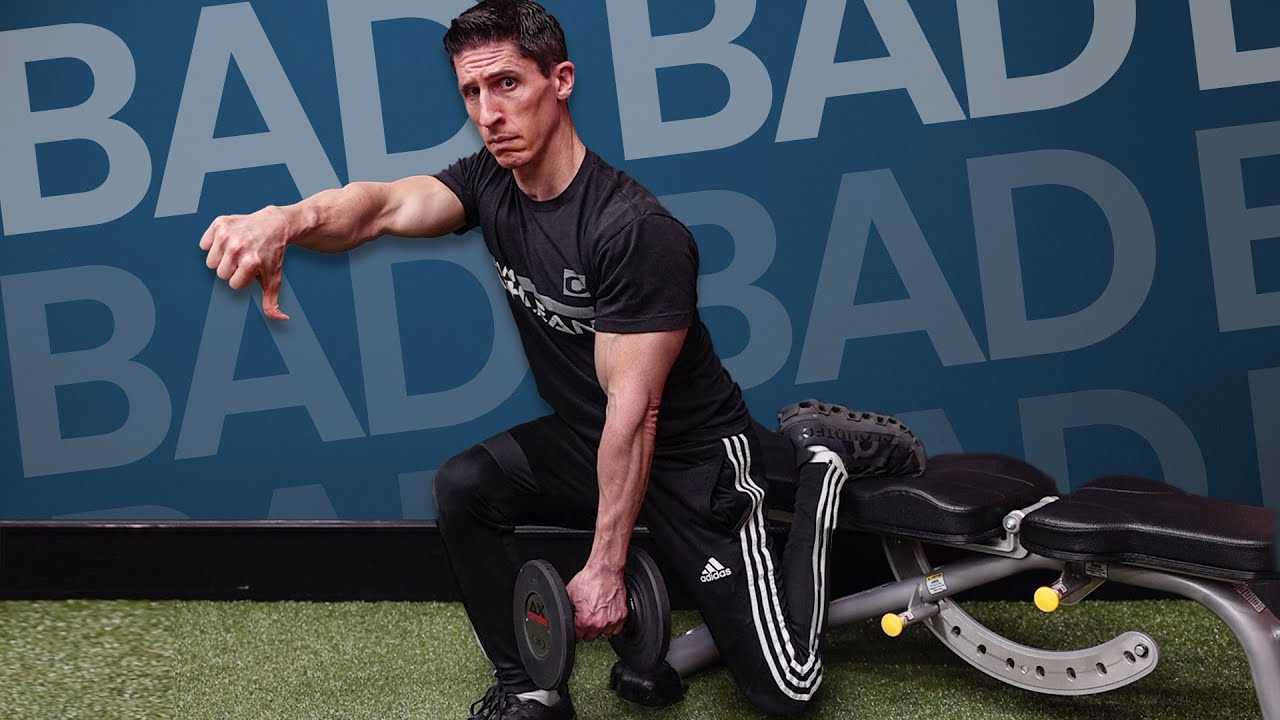
In a recent video that’s sparking discussion across fitness communities, Cavaliere walks through exactly how to master this powerhouse movement step by step — from the very first rep to the last burnout set.
If you’re struggling with balance, knee pain, or just not feeling it in the right muscles, this breakdown may unlock the results you’ve been missing.
Here’s a full guide to fixing your setup, improving your form, and unlocking the full muscular benefits of the Bulgarian Split Squat.
Jump to:
Start With the Setup: Where Everything Goes Wrong
According to Cavaliere, 90% of problems with the Bulgarian Split Squat happen before you even start the movement — during the setup phase.
“If there’s one mistake that ruins this exercise, it’s not setting up correctly,” Cavaliere says. “Most people don’t even know what that means.”
Here’s how to get into position the right way:
- Start by sitting on a bench with dumbbells resting on your thighs.
- Extend one leg out, making sure your heel lands slightly to the outside — not directly in front of your hip. This is your working leg.
- Place your dumbbells on the floor so you remember this heel position.
- Stand up, keeping your front foot in the same spot.
- Lift your back leg and place the top of your foot on the bench behind you.
That small angle of the front foot — wider than you might expect — helps provide a wider base of support and drastically improves balance once you begin the descent.
Back Foot Position: Balance Starts Here
The placement of your back foot might seem like a minor detail, but it plays a huge role in balance and joint comfort.
Many people make the mistake of jamming just their toe onto the bench, reducing contact and increasing instability. Instead, rotate your foot so more of the top is flat against the bench.
This increases surface area, improving your balance and comfort — especially in the ankle joint. Cavaliere mentions that this method avoids restrictive plantar flexion and allows for natural movement and positioning.
Body Angle Determines Muscle Focus
Once your feet are set, your torso position dictates which part of your leg does the most work.
If your goal is quad development, maintain a vertical torso throughout each rep. This maximizes knee flexion and keeps the tension in your quadriceps.
Want more glute emphasis? Lean your torso slightly forward. By angling forward at the hips, you mimic a sprinter’s posture, shifting the bias to the posterior chain — specifically the glutes and hamstrings.
The key is sticking with that torso angle from start to finish during each repetition.
Best Practices for Reps and Range of Motion
Full range of motion is crucial, but Cavaliere makes it clear: don’t relax at the bottom.
“If you hit the ground and lose tension, you’re not training anything,” he says. Instead, let the dumbbells make light contact with the ground — but maintain full support with your arms and working leg.
One smart modification he recommends when fatigued is tilting the front edge of the dumbbells downward. This subtly reduces the depth without changing movement mechanics — unlike quarter or half reps which can compromise form and stimulus.
Modifications: Step Away from the Bench
If the bench setup isn’t working for you, Cavaliere suggests using a barbell set in a rack with a large pad (a “pussy pad” as he jokes) wrapped around it.
This option offers a smooth and adjustable back foot placement that rotates naturally as you move. It reduces discomfort for those with limited ankle mobility and still delivers the same training effect.
Techniques for Building Size and Strength
Cavaliere outlines a few advanced training techniques to take your split squats to the next level:
- Paused reps: Pause at the bottom of the rep for maximum time under tension.
- 1.5 reps: Come halfway up, back down, then all the way up — great for burning out your quads or glutes.
- Explosive reps: Focus on upward speed to build power and explosiveness.
- Bodyweight plyo split squats: Ditch the dumbbells and try explosive jumps from the bottom for a brutal finish.
With all these tools, progressions, and setup variations, it’s easy to see why Cavaliere calls the Bulgarian Split Squat “his favorite leg exercise.”
Whether you’re chasing strength, hypertrophy, or just better balance and mobility, mastering this one movement could be the breakthrough your lower body training has been missing.