Dr. Mike from RP Strength recently put his taste buds on the line, testing eight popular high-protein cereals to help fitness enthusiasts make smarter breakfast choices.
His verdict? Not all protein cereals are created equal—and some taste more like “eating bark” than breakfast.
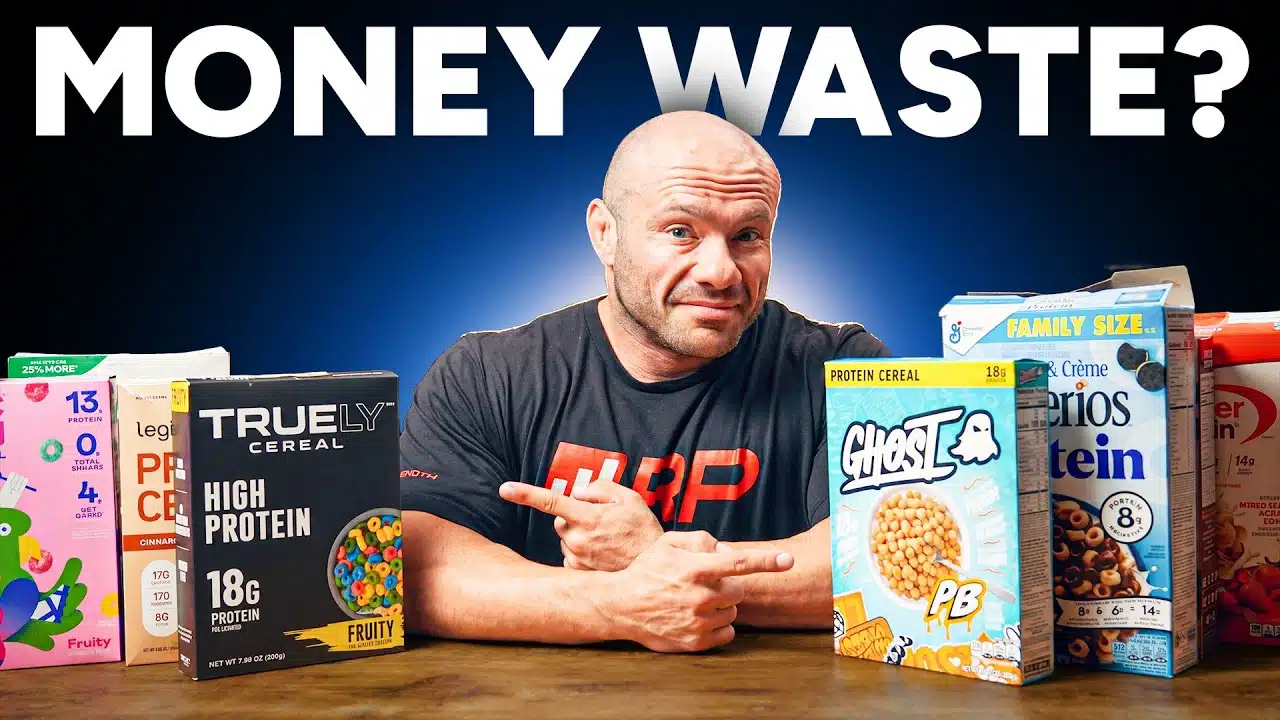
But before diving into rankings, he offered crucial advice for anyone considering these products.
The results revealed surprising winners, complete failures, and everything in between.
Jump to:
Setting Realistic Expectations
Dr. Mike emphasized managing expectations before trying protein cereals.
If you expect protein cereal to taste as good as regular cereal, you’re probably going to have a bad time. If you expect protein cereal to taste like high protein medicine that helps you get jacked, you’re going to have an amazing time and be super pleasantly surprised.
This mindset shift matters because protein-enriched products fundamentally differ from traditional sugar-loaded breakfast options. Understanding this distinction prevents disappointment and helps consumers appreciate what these products actually deliver.
The Top Three Winners
First Place: Truly Cereal (Fruity Flavor)
Truly cereal dominated the competition with exceptional taste, quality ingredients, and impressive macros.
Nutritional breakdown: 18 grams of protein in 170 calories, making 42.5% of calories from protein—one of the highest ratios tested.
The ingredient list impressed even more. Casein ranked as the number one ingredient, followed by whey protein concentrate—both considered gold-standard protein sources for muscle building.
This is amazing. Maximum crunch factor. It makes your milk ridiculous colors and tastes amazing. It’s super sweet. It tastes like oddly like bubble gum or something. I love it.
Dr. Mike noted that Truly can serve as a standalone protein source, meaning consumers can rely on it to meet protein targets without combining it with other foods.
Second Place: Legion Protein Cereal (Cinnamon Crunch)
Legion nearly claimed top honors with its cinnamon crunch variety.
Stats: 17 grams of protein per 170 calories, delivering 40% protein-to-calorie ratio.
Like Truly, Legion uses milk protein concentrate as its primary ingredient—ensuring high biological value and complete amino acid profiles.
Holy shit. That’s really good, man. It dissolves in your mouth really quickly. It is crunchy. It is sweet. Pro amount of cinnamon. This is damn good.
The only drawback? Legion dissolves rapidly when exposed to milk or saliva, creating what Dr. Mike described as “drinking sand.” Despite this texture issue, the taste remained exceptional.
Third Place: Three Wishes Cocoa Cereal
Three Wishes earned bronze despite having significantly lower protein content than competitors.
Numbers: Only 8 grams of protein in 130 calories (24.5% protein ratio)—the second-lowest tested.
What propelled Three Wishes into top rankings was pure taste superiority and unique positioning as a grain-free option.
Exceptionally crunchy, amazing mouth feel, and maybe one of the most cocoa-est things I’ve tasted in a long time. Sweet, but not too sweet. Oh, that’s good stuff. I love the taste. I love the texture. I would eat this if it had no protein at all.
The ingredient simplicity stood out: chickpea, tapioca, pea protein, organic cane sugar, cocoa, natural flavors, sea salt, and monk fruit extract.
Understanding Protein Quality
Dr. Mike repeatedly emphasized that protein quantity means nothing without quality.
Premier Protein cereal exemplified this problem perfectly. Despite boasting 20 grams of protein per 180 calories (44.5% ratio—the highest tested), its protein sources disappointed.
Premier Protein’s ingredients included:
- Wheat gluten (primary ingredient)
- Wheat protein isolate
- Pea protein concentrate
None of these match the muscle-building effectiveness of whey, casein, egg, or even soy protein.
While as a percent it’s a ton of protein, the protein quality in here, every single one of these protein ingredients is not the gold standard of whey or casein or egg or even soy protein. So, not ideal.
For cereals with lower-quality proteins, Dr. Mike recommended adjusting macro tracking: divide stated protein by half or take only one-third as actual protein, counting the remainder toward carbohydrates.
The Bottom Performers
Last Place: Cheerios Protein (Cookies and Cream)
Cheerios Protein finished last with disappointing stats and taste.
Macros: 8 grams of protein in 150 calories (21.5% ratio)—second-lowest protein concentration.
The primary protein source? Pea protein—not terrible, but far from optimal for muscle synthesis.
They don’t taste bad. They don’t taste that great. I’m biased. I’m not a big fan of cookies and cream, but this ain’t it for me, man.
Dr. Mike noted a chemical aftertaste and overall lackluster flavor profile that couldn’t compensate for inferior nutritional content.
Seventh Place: Premier Protein
Despite leading in protein percentage, Premier Protein ranked near bottom due to quality concerns.
The taste disappointed as well—described as dry, mostly tasteless, with strange aftertaste lingering after consumption.
Sixth Place: Kashi Go Cereal
Kashi Go offered unique benefits but couldn’t compete on taste or protein content.
Standout feature: 10 grams of fiber per serving—beneficial for digestive health and satiety.
This is hard to chew. Couldn’t really taste the fiber. This is like eating bark. Cocoa flavored bark. It tastes wholesome. It tastes like it’s healthy for you. That doesn’t mean it tastes great.
With only 10 grams of soy-based protein in 210 calories (19% ratio), Kashi Go represented the lowest protein density tested. Dr. Mike characterized it as having an “adult taste”—something eaten out of obligation rather than enjoyment.
Middle-Tier Contenders
Fifth Place: Ghost Peanut Butter
Ghost cereal presented an interesting case—excellent macros marred by polarizing sensory experience.
Numbers: 18 grams of protein in 170 calories (42.5% ratio), tied for highest protein concentration.
Ingredient quality excelled with milk protein concentrate, sodium caseinate (casein), and soy protein isolate—all premium sources.
The problem? Smell.
I was not ready for that. Public service announcement. If your Ghost cereal smells like it went bad, that’s just how high protein cereal smells with high quality protein, I might add.
Despite off-putting aroma, Ghost delivered convincing peanut butter flavor with moderate sweetness. Texture proved less crunchy than competitors but remained palatable.
Fourth Place: Magic Spoon (Fruity)
Magic Spoon made top half with solid performance across categories.
Stats: 13 grams of protein in 150 calories (34.5% ratio).
Using milk protein blend (casein and whey concentrate), Magic Spoon provided legitimate muscle-building protein in portable form.
Very damn good. The smell is excellent. The texture is good. It’s crunchy. It’s a little slimy. Two Can Sam shows up for work, but he’s hung over. He’s here. And then sometimes that’s enough.
While not matching Froot Loops exactly, Magic Spoon delivered sufficiently similar experience with vastly superior nutrition.
Key Takeaways for Consumers
Dr. Mike’s comprehensive testing revealed critical factors when selecting protein cereals:
- Protein quality trumps quantity: Look for whey, casein, milk protein, or egg protein as primary ingredients
- Check protein-to-calorie ratios: Aim for 35%+ protein calories for genuine high-protein products
- Adjust macro tracking: Discount low-quality protein sources by 50-66% when logging nutrition
- Pair strategically: Combine lower-protein cereals with high-protein milk (like Fairlife) to boost overall intake
- Taste varies wildly: Personal preference matters—try multiple brands to find favorites
He also reminded viewers that individual tastes differ dramatically, especially noting his own compromised palate post-COVID.
I’m weird, you guys. I have strange taste buds and after COVID barely any taste buds. So, take this with a giant grain of salt and even a grain of wheat.
Bottom Line
Protein cereals can absolutely support muscle-building and weight management goals—if chosen wisely.
Truly Cereal emerged as the clear winner, combining exceptional taste with premium protein sources and outstanding macros. Legion followed closely, offering nearly identical benefits with minor texture issues.
For those avoiding grains, Three Wishes proved that lower protein content doesn’t disqualify a product when taste and ingredients shine.
Meanwhile, traditional brands attempting protein versions (like Cheerios) demonstrated that slapping “protein” on packaging doesn’t guarantee quality results.
Most importantly, Dr. Mike encouraged personal experimentation rather than blind acceptance of his rankings. What works for one person’s palate and goals may differ completely from another’s needs.
The protein cereal market continues expanding rapidly, offering fitness enthusiasts convenient options for meeting daily protein targets. With proper selection based on ingredient quality and protein concentration, these products can become valuable tools in any nutrition plan.