Building glutes takes strategy, patience, and a plan that goes beyond just showing up to the gym.
Meg Gallagher, a strength coach and founder of Stronger By the Day, recently put her own five-week glute-focused training program to the test, tracking every variable from exercise selection to nutrition.
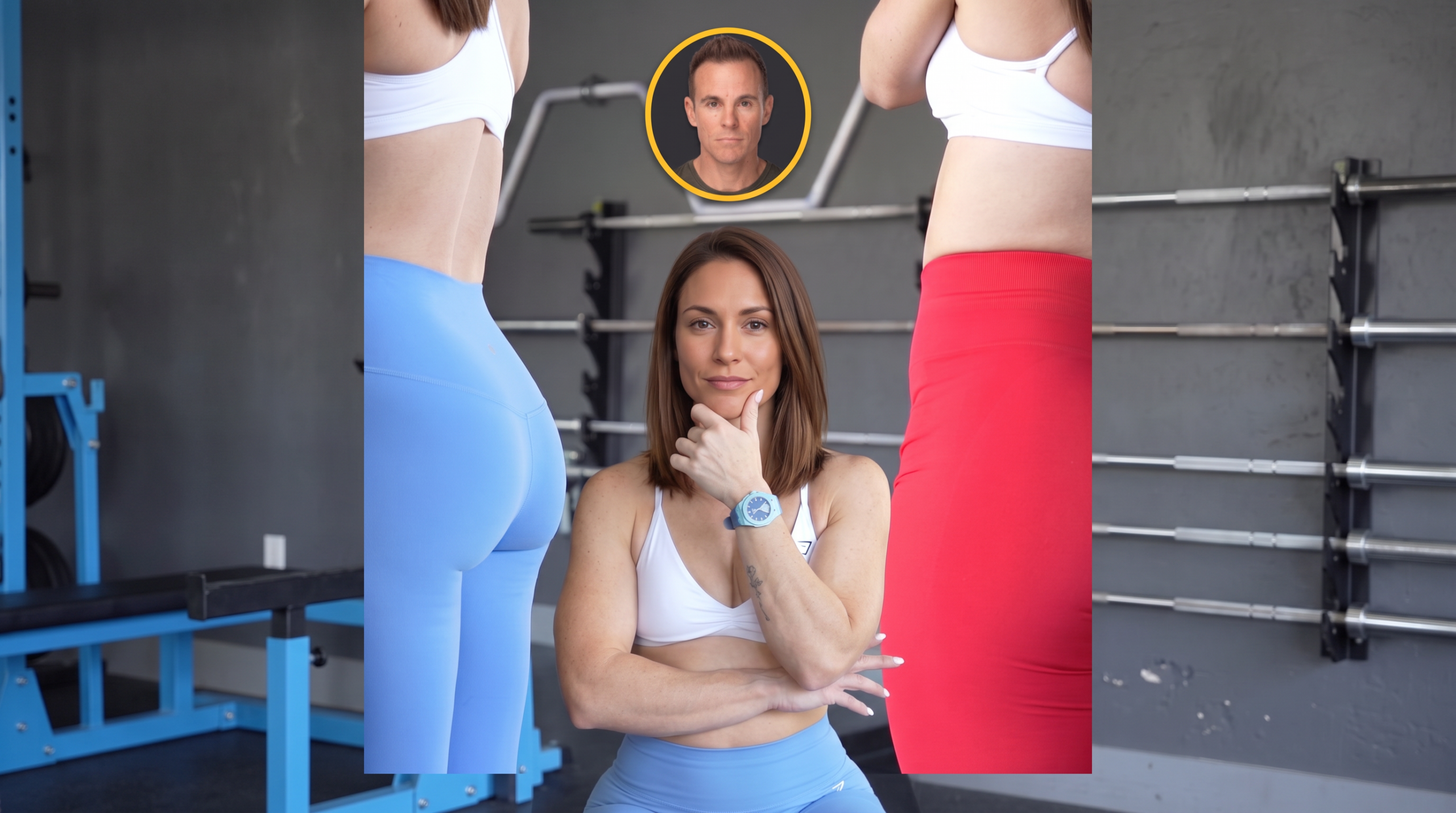
Her results? A modest but measurable quarter-inch of growth—and a reminder that real muscle development requires more than viral shortcuts.
Here’s what her experiment reveals about building glutes effectively, sustainably, and with science-backed methods that actually work.
Why Muscle Growth Takes Longer Than Social Media Suggests
Gallagher was upfront about her expectations from the start, acknowledging that five weeks is an extremely short window for meaningful muscle growth.
Girl, you can’t just be gaining a lot of glute hypertrophy in 5 weeks. And you’re right.
For someone with her training profile—natural lifter, high training age, relatively lean—rapid muscle growth isn’t realistic. But she had one advantage: after having kids, she hadn’t specifically targeted glute development in years.
That meant her glutes were “fresh and primed for some serious stimulus,” potentially allowing her to experience something closer to beginner gains despite her advanced training status.
Most experts recommend assessing muscle growth over 12-week blocks rather than 30-day sprints. Sustainable hypertrophy requires consistent progressive overload, adequate recovery, and proper nutrition—all factors that need time to accumulate meaningful results.
The Pyramid Approach to Programming
Gallagher structures her training using a pyramid model that prioritizes compound movements at the top and isolation work at the base.
At the peak sit the “big five”: squat, bench press, deadlift, hip thrust, and overhead press. These compound movements allow for maximum loading and create the greatest mechanical tension—the primary driver of muscle growth.
At the very top, the exercises that we always have are always going to be compound movements that we’re pushing as heavy as possible.
The middle tier includes secondary variations like Bulgarian split squats, step-ups, and lunges. These exercises support the primary lifts while still allowing heavy loading, though they’re more taxing on recovery.
The foundation consists of what Gallagher calls “bro stuff”—isolation movements like banded lateral walks, glute kickbacks, and frog pumps. These accessories add volume without excessive fatigue, allowing for higher rep work that contributes to overall muscle development.