Prepping for a major photo shoot requires more than just showing up at the gym.
It demands a strategic nutrition approach, mental fortitude, and a system that actually works.
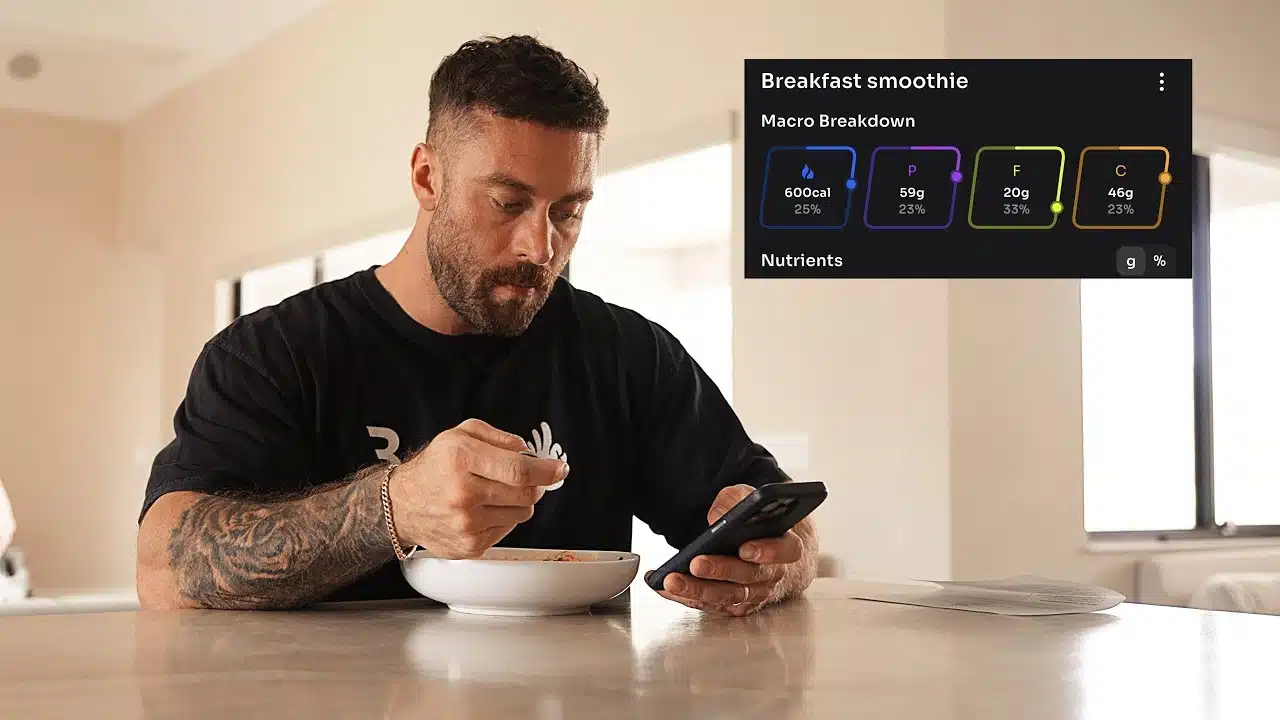
In a recent candid video, fitness influencer and coach detailed his complete eating strategy leading up to a Gym Shark campaign shoot, revealing not just what he eats, but why his approach works when quick results matter.
The insights go far beyond meal prep—they touch on psychology, accountability, and the practical hacks that make short-term dieting sustainable.
Jump to:
The Psychology Behind Successful Dieting
Before diving into macros and meal timing, the coach emphasizes something most people overlook: having a concrete goal changes everything.
I can’t lie, having a goal to work towards and trying to diet is so much easier than just being like, “Oh, I just want to be in shape to feel good.” That’s why I empathize with everybody who struggles to diet because it’s a lot harder when you don’t have an Olympia coming on you.
He’s brutally honest about motivation. Wanting to “be healthier” isn’t enough when there’s a bag of chips nearby.
The photo shoot gave him a deadline, accountability, and a tangible reason to stay disciplined. Without that external pressure, even experienced athletes struggle.
Finding Your Real “Why”
Generic goals lead to generic results. He challenges viewers to examine their true motivations.
If you’re like, I want to be in better shape. Well, no. You don’t actually care. You would rather eat shitty food and not train and be lazy because then you would be doing it already.
This harsh reality check applies universally. Without a compelling reason—a competition, event, health scare, or personal milestone—discipline crumbles under temptation.
The Complete Daily Nutrition Breakdown
His full day of eating totaled 2,145 calories with 217 grams of protein, 84 grams of fat, and 129 grams of carbs.
Rather than complex meal plans, he follows a simple framework that’s worked for 15 years.
Meal One: High-Volume Breakfast Smoothie
Starting the day with a massive smoothie serves multiple purposes. Volume fills the stomach, preventing mid-morning hunger that derails diets.
His recipe includes:
- 110 grams banana (measured for accuracy during the cut)
- Peanut butter for flavor and healthy fats
- Chocolate and cookies & cream protein powder blend
- Chocolate electrolyte replenish (for Florida heat and training)
- Ice to maximize volume
Macros: 59g protein, 20g fat, 46g carbs
He admits to not always weighing food, relying instead on years of experience understanding his body’s responses. However, he recommends beginners track meticulously.
Meal Two: Post-Workout Protein and Carbs
Eaten in his car at a gas station (real life, not Instagram perfection), this meal combined turkey with beef, broccoli, and sweet potatoes.
Macros: 44g protein, 19g fat, 30g carbs
The timing matters. Eating consistently throughout the day prevents extreme hunger that leads to poor decisions later.
If you’re like, I’m busy all day, so I’m going to starve myself from 9:00 to 5 at work and I’m going to come home and then I’ll eat and I’ll get leaner. Well, you’re probably going to go home starving and have less discipline or less cognitive ability to withhold and then you’re going to cheat that day.
Meal Three: Wild-Caught Salmon with Strategic Carbs
This meal represented a decision point. After high-volume leg training, he opted to include carbs. On rest days, he’d eliminate them entirely.
The plate featured wild-caught salmon (from Vital Choice brand), sweet potato, and broccoli.
Macros: 48g protein, 14g fat, 43g carbs
He notes that wild-caught fish tastes more “fishy” than farm-raised—a telltale sign of quality. During less strict phases, he’d drench meals in olive oil and even add ketchup to salmon (a personal quirk).
Final Meal: Ground Meat Meatballs
The last meal of the day felt most restrictive: ground chicken meatballs with asparagus, green beans, and a small amount of ketchup for palatability.
This became his go-to strategy—keeping various ground meat meatballs (turkey, chicken, beef) prepped in the fridge for quick, high-protein meals with minimal fat.
Before bed, he adds a chocolate protein shake for an additional 30 grams of protein, bringing his daily total to approximately 220 grams.
The Protein-Centric Approach
His entire philosophy centers on one non-negotiable rule: hit protein targets consistently.
At 200 pounds bodyweight, he aims for 200 grams of protein daily, divided across four to five meals of 180-200 grams of meat each.
Make that like part of your identity. Like who I am as someone who gets in, I’m 200 lb. I get 200 grams of protein per day divided into four meals and that’s it.
Everything else—carbs and fats—gets adjusted based on goals:
- Maintaining: Around 180-200 grams carbs daily
- Cutting: Carbs only pre- and post-workout
- Bulking: Increased carbs throughout the day
This simplicity eliminates decision fatigue. Rather than creating new meal plans constantly, he adjusts portions of existing meals like moving chess pieces.
Strategic Carb Manipulation for Rapid Results
For this three-week photo shoot prep, he implemented aggressive but temporary changes.
Carbs were stripped from all meals except those surrounding training. This approach works short-term but isn’t sustainable long-term without muscle loss.
You can do anything for a month. If you’re really just trying to do it for one month, just eat protein. Like eat protein every meal, have carbs maybe after your workout only and have a few days where you’re not training with zero carbs and just like suffer for that long and just do it because it’s not that hard.
For longer diets requiring sustained fat loss, he’d reduce carbs across all meals gradually, pulling first from meals furthest from training sessions.
Systems Over Willpower
Most diet failures stem not from lack of knowledge but from absent systems and structure.
He identifies three critical elements beyond macros:
Accountability Mechanisms
External pressure—whether from coaches, deadlines, or social commitments—dramatically improves adherence. This realization partly inspired his coaching business, Standard Training.
Proactive Planning
Traveling? Bring prepared meals. Long workday? Pack food to prevent starvation-induced poor choices. Every scenario needs a predetermined solution.
Environmental Setup
Having prepped meatballs ready in the fridge removes barriers. When hunger strikes, the path of least resistance leads to success rather than sabotage.
Most people, it’s not discipline or knowledge they lack. It’s accountability. It’s a system. It’s structure to allow them to succeed.
Practical Hacks for Sustainable Dieting
Beyond the meal breakdown, several strategies emerged throughout his day:
- Volume eating: Blending ice into smoothies or loading plates with low-calorie vegetables creates fullness without excessive calories
- Flavor enhancement: Strategic use of ketchup, seasonings, or olive oil (when not in aggressive cuts) maintains palatability
- Consistent meals: Eating similar foods daily eliminates guesswork and creates automatic portion control
- Higher-fat proteins on low-carb days: Salmon or fattier cuts provide satiety when carbohydrates are restricted
- Nighttime protein ritual: Ending the day with chocolate protein creates satisfaction while hitting macros
The Reality of Flexibility Versus Structure
When asked about preferring current flexibility over competition-prep rigidity, his answer revealed nuance.
I love the flexibility I have now. For sure. When it comes to eating, I love because I like eating healthy. Yeah. So, because I enjoy eating healthy foods, I know that I’m going to stay in shape and be okay.
However, he misses the time-blocking structure that meals provided during prep. Training at consistent times, using meals as transition points between tasks—these created productivity frameworks beyond nutrition.
His ideal combines dietary flexibility with lifestyle structure—eating varied healthy foods while maintaining consistent training schedules and daily routines.
The Four-Week Challenge Mentality
For those seeking rapid transformation, he offers straightforward advice that strips away complexity.
Eat protein every single meal. Limit carbs to post-workout only. Include complete rest days with zero carbohydrates. Commit fully for one month.
The drastic fat loss will outweigh minimal muscle loss, creating visible improvements that justify the temporary suffering. Beyond six to eight weeks, this approach becomes counterproductive, but short-term application yields results.
Ultimately, successful dieting transcends food choices. It requires honest self-assessment about motivations, systematic planning for obstacles, and mental frameworks that support rather than sabotage progress.
Whether prepping for a photo shoot or simply wanting to look better, the principles remain consistent: prioritize protein, manipulate carbs strategically, build supportive systems, and find a compelling reason to stay the course.