When most people think of elite bodybuilding physiques, they picture massive muscles paired with razor-sharp abs and a tightly cinched waist. But in recent years, a curious and often criticized trend has emerged: the bubble gut.
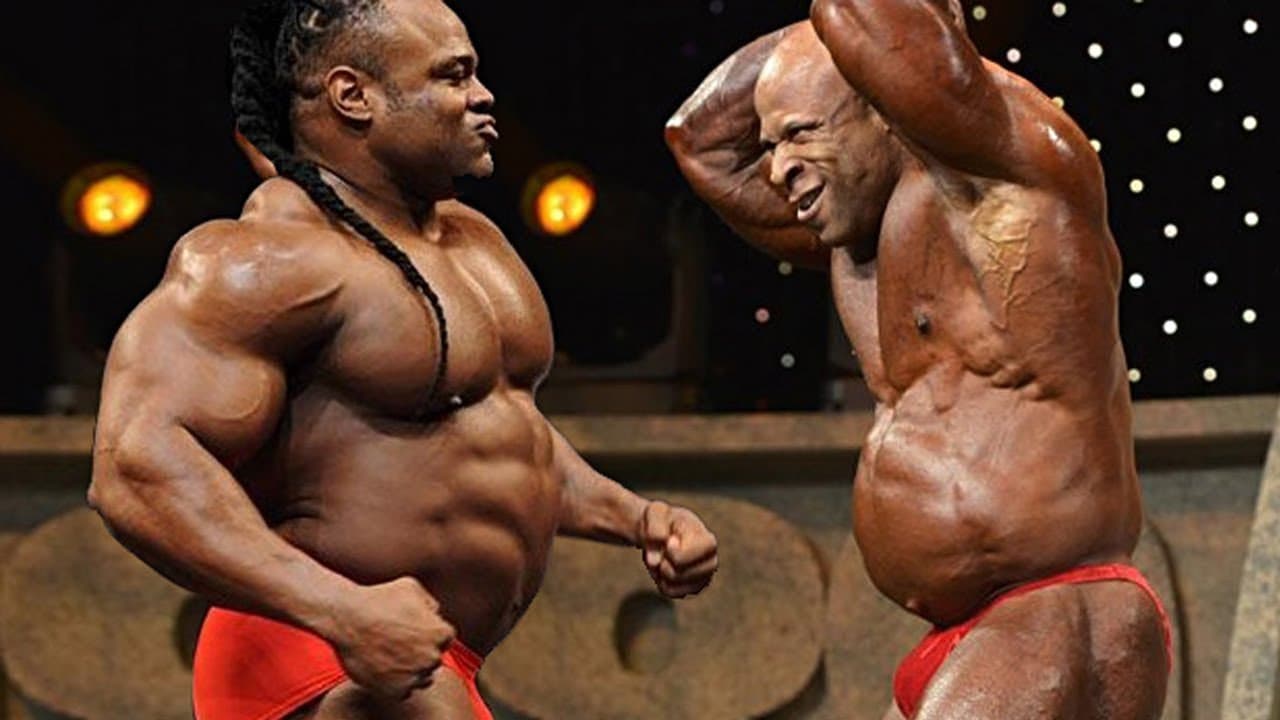
This condition—also described as looking “pregnant with abs”—has sparked countless online debates, even among fans of the sport. It raises important questions: How can someone be so lean yet still have a stomach that sticks out? Why does this happen? Can it be avoided?
The answers are complicated but not mysterious. It’s not just about food—or fat. It’s a perfect storm of extreme dietary habits, hormone use, and physiological changes happening under the skin.
Jump to:
What exactly is bubble gut?
Bubble gut, sometimes referred to as “roid gut” or “bodybuilder belly,” is a condition where an individual has a visibly distended abdomen despite having very low body fat and defined abdominal muscles.
To the average viewer, it appears as if the person is both shredded and bloated. The abdominal wall sticks out unnaturally, even while the muscle definition remains intact. It’s especially noticeable on stage, where tight posing trunks and vacuum poses draw attention to the midsection.
This phenomenon didn’t exist in the golden era of bodybuilding. Icons like Arnold Schwarzenegger, Frank Zane, and Steve Reeves showcased tight, tapered waists and flowing proportions. In contrast, many modern pros appear wider and thicker through the middle—even when in peak competition shape.
What causes bubble gut?
There’s no single cause of bubble gut. Instead, it’s the result of several overlapping factors that all place pressure on the abdominal cavity. The most significant of these include:
1. Human growth hormone (GH) use
Among bodybuilders who use performance-enhancing drugs (PEDs), GH is often included for its muscle-building and fat-burning effects.
However, GH doesn’t just target skeletal muscles. It also affects internal tissues, including:
- Intestines
- Liver
- Heart
- Kidneys
Over time, long-term GH use can lead to organomegaly, or the enlargement of internal organs. This subtle but chronic expansion of organs causes the midsection to protrude, even when abdominal fat is nearly nonexistent.
2. Insulin use in bodybuilding cycles
Insulin, another hormone commonly used by high-level competitors, promotes nutrient uptake into muscle cells. It’s often stacked with GH to increase muscle growth and enhance recovery after heavy training.
The problem? Insulin increases fat storage, particularly around the viscera—the internal organs. Combined with GH, it creates a perfect environment for intra-abdominal pressure to rise and the midsection to expand from the inside out.
3. Extreme food volume and calorie intake
Competitive bodybuilders follow extremely high-calorie diets—often between 6,000 to 12,000 calories per day, with some off-season days reaching 20,000 calories.
That translates to enormous volumes of food, eaten every few hours. Even with high metabolism and intense training, the digestive system can only do so much. The stomach and intestines can stretch to accommodate the load, especially when this eating pattern continues for months or years.
This results in:
- Chronic bloating
- Visible distension
- Stretched abdominal walls
Some lifters experience this even when they’re not on GH or insulin, particularly during off-seasons when food intake is highest.
4. Overdeveloped abdominal muscles
Heavy compound lifting—squats, deadlifts, overhead presses—trains not just the legs and arms but also the core.
Many modern bodybuilders also directly train their abs with weighted crunches, leg raises, and cable exercises, which build size and thickness in the rectus abdominis.
As a result, the abdominal muscles themselves can hypertrophy to the point that they protrude outward. Some athletes have abs as thick as a clenched fist.
When this muscular growth combines with internal pressure from organs and food volume, the midsection balloons.
Why don’t all bodybuilders get it?
Not every lifter with big muscles ends up with a bubble gut. There are a few reasons for that:
- Genetics: Some people are naturally predisposed to have flatter stomachs or better abdominal control.
- Training style: Athletes who train more like physique competitors often emphasize vacuum poses and avoid direct heavy ab work.
- PED protocol: Those who avoid GH and insulin are less likely to experience significant organ growth or visceral fat gain.
- Food type: Some manipulate food choices to maintain high calories with lower volume—opting for calorie-dense foods like nut butters instead of giant bowls of rice and oats.
Additionally, many athletes employ fasting, carb cycling, and water manipulation protocols in the final days before a show to reduce bloating and food-related distension.
Can bubble gut be reversed?
Yes—in some cases, the condition can be improved or even reversed, depending on the underlying cause.
One well-known example is Ben Pakulski, a top-level pro bodybuilder criticized for his distended gut early in his career. In later years, he noticeably improved his midsection by:
- Reducing total food volume while maintaining calories
- Training vacuum poses daily
- Focusing on digestion and gut health
If organ growth is significant, full reversal may not be possible. But for many athletes, the biggest contributors are bloating, poor food timing, and lack of abdominal control.
What about natural lifters—should they be worried?
Absolutely not.
For anyone training naturally—without GH, insulin, or extreme bulking phases—the risk of developing a bubble gut is practically nonexistent.
Natural lifters can:
- Eat enough to grow muscle without pushing food volume to absurd levels
- Train abs regularly without them becoming grotesquely large
- Avoid internal organ stress from drug use
The aesthetic, tight-waisted look is still very achievable with a balanced diet, smart training, and a focus on core engagement.
Is the bubble gut hurting bodybuilding’s appeal?
Many long-time fans of the sport argue that it is.
Back in the golden era, the ideal physique was about symmetry, flow, and proportion. Today, the trend has shifted toward sheer size and conditioning, even if it compromises visual appeal.
Even judges are taking note. Tyler Manion, one of the head officials in IFBB Pro League judging, commented publicly on concerns about midsection control and has encouraged competitors to keep waistlines tight.
Athletes like Nick Walker, despite their incredible size and conditioning, have faced criticism for their wide and thick midsections—even from within the sport.
How to keep your midsection lean and tight
For the average gym-goer or aspiring bodybuilder, avoiding bubble gut is simple with the right approach:
- Stay natural: Avoid anabolic steroids, GH, and insulin unless prescribed by a doctor.
- Focus on quality calories: Eat enough to grow but avoid unnecessary food volume or bloat-inducing meals.
- Train your core smartly: Use planks, vacuums, and stabilization exercises more often than weighted crunches.
- Prioritize gut health: Incorporate fermented foods, fiber, and digestive enzymes if needed.
- Practice posing: Learn how to control your abs with breathing and abdominal engagement.
The bottom line
Bubble gut is a complex condition with multiple causes—none of which are relevant to the average gym-goer unless they’re stepping onto the Olympia stage.
It’s not caused by basic ab exercises or eating a few cheeseburgers. Instead, it stems from a combination of drug use, enlarged organs, overdeveloped abdominal muscles, and massive dietary volume.
If you’re training naturally, eating smart, and keeping aesthetics in mind, you can confidently work toward a lean, tight, and strong-looking core—without worrying that your six-pack will one day stick out like a balloon.